


What did Roman emperors really look like?
08 Oct 2026
58m
Join world-renowned classicist Mary Beard and Guardian chief culture writer Charlotte Higgins for Instant Classics — the weekly podcast that proves ancient history is still relevant. Ancient stories, modern twists… and no degree in Classics required. Discover The Odyssey and join the book club at: https://www.exploringtheodyssey.com

The Bayeux Tapestry functions as a narrative object that transcends its role as a historical record of the 1066 Norman Conquest. While often viewed as propaganda, the embroidery displays even-handedness, depicting both Norman and Anglo-Saxon figures with nuance. The Latin captions, though laconic, reveal a multicultura...

The Odyssey serves as a foundational text for exploring human mortality, family dynamics, and the nature of adaptation in contemporary culture. Daniel Mendelsohn, a classicist and translator, explains how his memoir An Odyssey—which chronicles a seminar he taught alongside his father—directly informed his own translati...

Homer’s Odyssey functions as a foundational, endlessly generative text that continues to shape English literature through diverse reinterpretations. Modern authors like Margaret Atwood and Madeline Miller reclaim the narrative by centering female perspectives, exposing the underlying ideologies of the original epic. Be...

Homer’s Odyssey serves as a foundational, flexible framework that ancient Greek and Roman authors continuously adapted, subverted, and reinterpreted to suit their own cultural contexts. Rather than viewing these works as mere derivative copies, they function as an ongoing literary dialogue where writers like Apollonius...

The Vestal Virgins of ancient Rome served as critical guardians of the city's perpetual sacred flame, with their personal chastity functioning as a barometer for the state's security. Any breach of this vow, termed incestum, triggered severe penalties, including being buried alive, a fate that permeated the Roman cultu...

Marcus Agrippa, the enigmatic Roman statesman and military commander, serves as the central subject of Robert Harris’s latest historical novel, Agrippa. The narrative explores the complex, lifelong partnership between Agrippa and Augustus, challenging the historical erasure of Agrippa’s contributions to the rise of the...
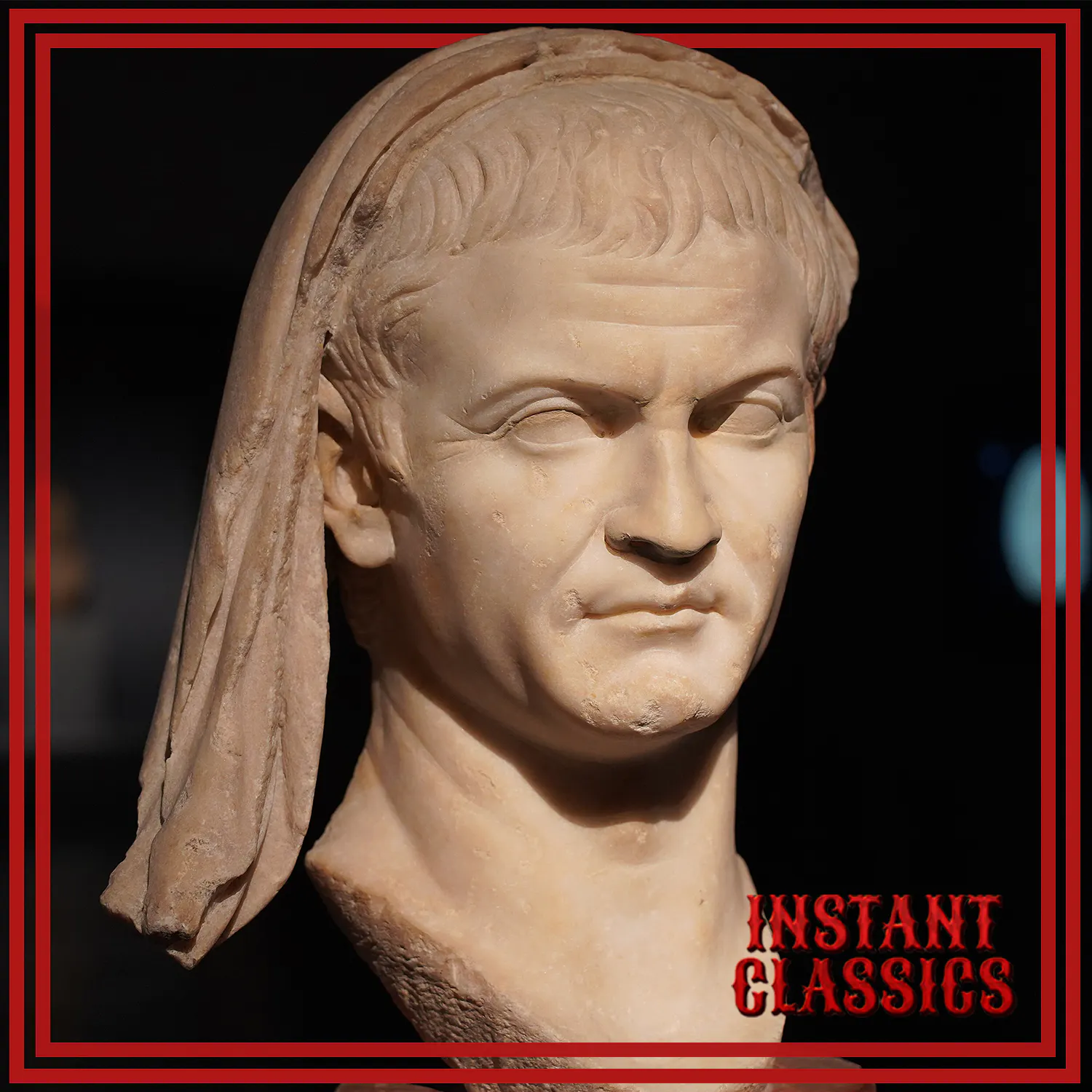
Marcus Agrippa functioned as the indispensable architect of Augustus’s regime, effectively serving as the "Chief Operating Officer" to the emperor’s "CEO." While Augustus claimed the glory of Rome’s transition to one-man rule, Agrippa masterminded critical military victories, including the decisive Battle of Actium, an...
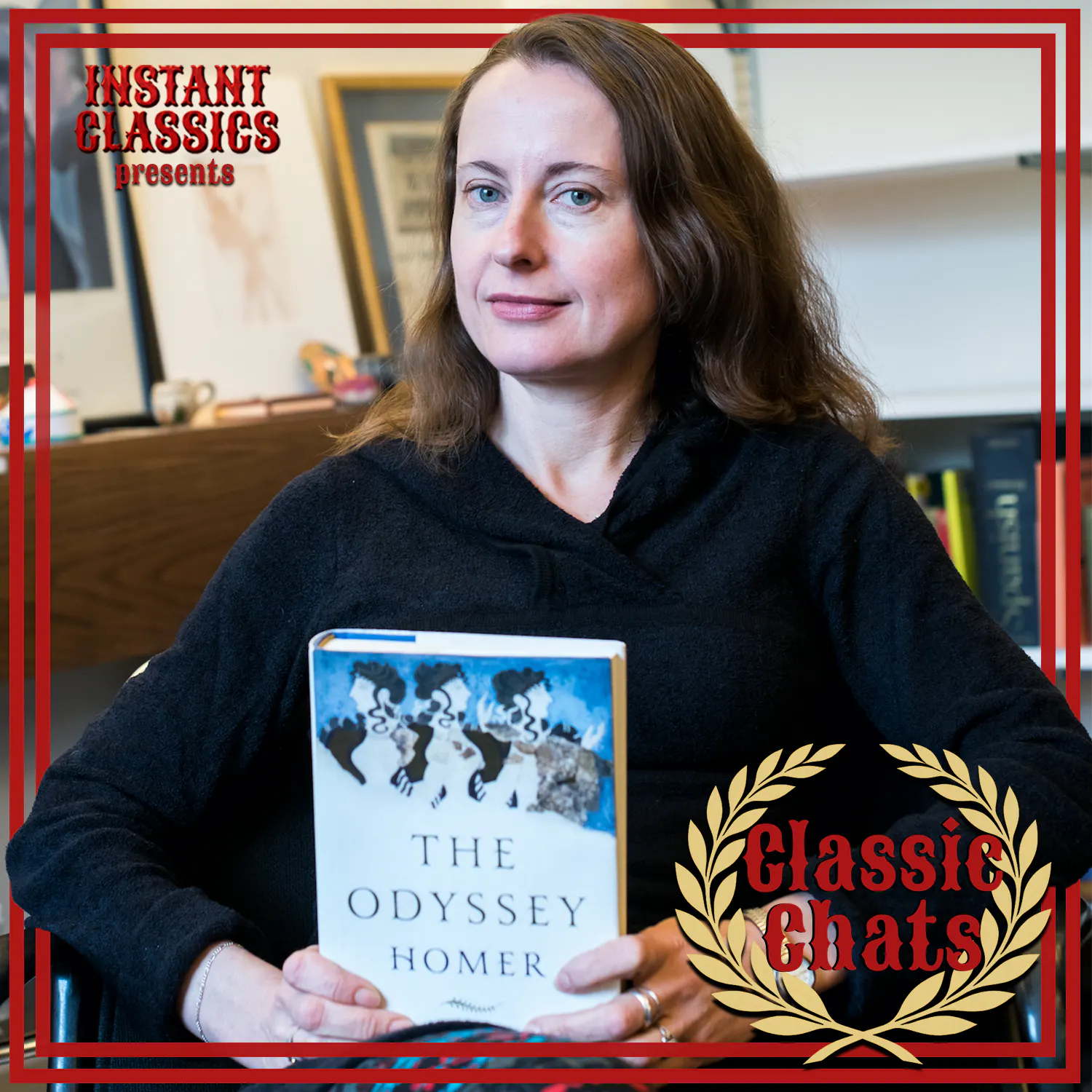
Translating Homer’s The Odyssey requires balancing technical fidelity with the need for narrative momentum and accessibility. Emily Wilson, a prominent translator of the epic, emphasizes that choosing a rigid verse form, specifically iambic pentameter, provides the necessary propulsive rhythm that many prose or free-ve...

The ongoing war in Ukraine forces a profound re-evaluation of the role of culture, where art and literature serve as essential tools for documenting history and processing collective trauma. Reporting from the front lines, Charlotte Higgins details how Ukrainian artists and writers navigate the existential threat of er...
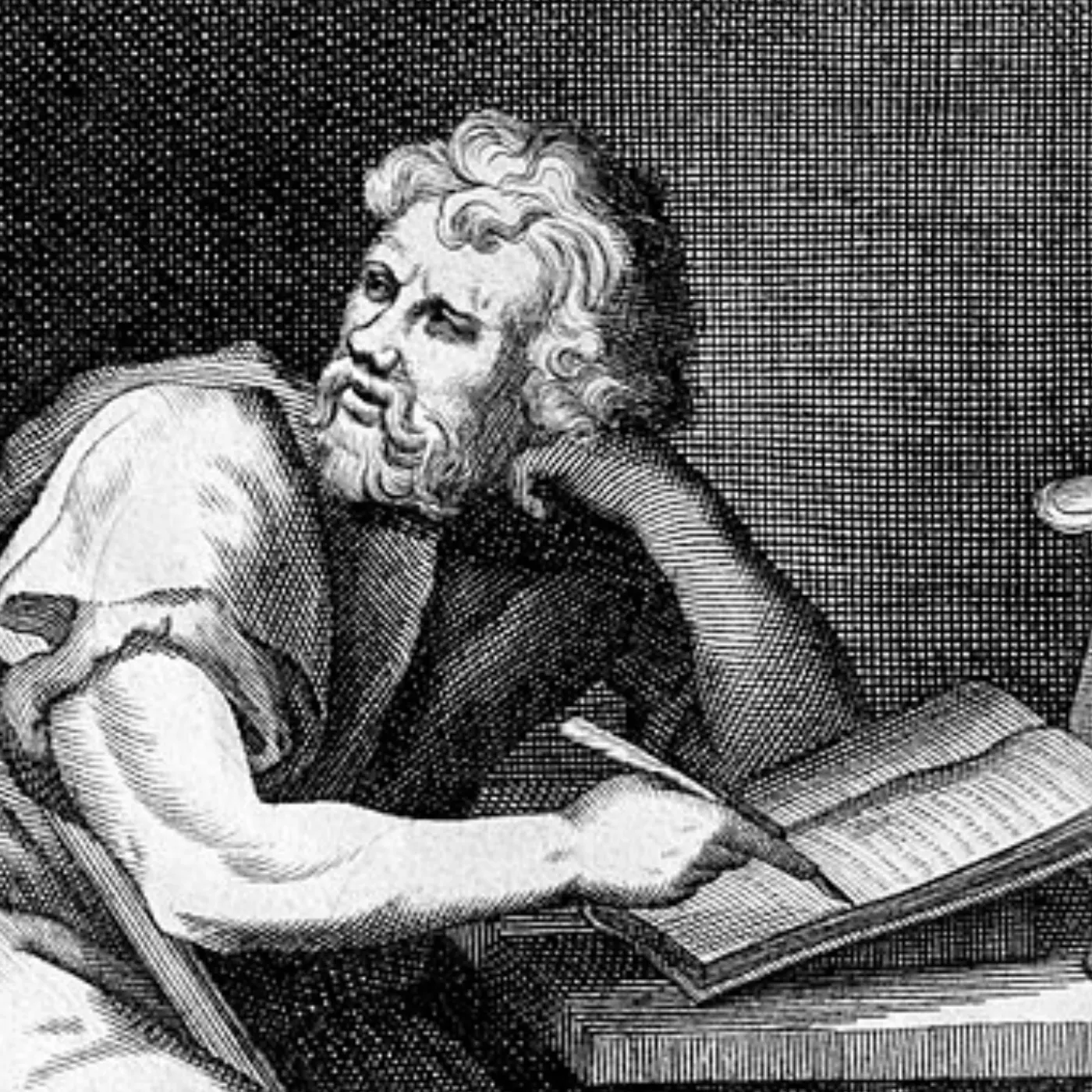

Summer reading lists benefit from the wit and subversion found in ancient Greek and Roman literature. Herodotus’s The Histories offers a chatty, anthropological perspective on the Persian Wars, while Lucian’s Selected Dialogues provides biting, laugh-out-loud satire that anticipates modern science fiction. Ovid’s Heroi...

Modern democratic systems find an unlikely mirror in the ancient world through the candidacy of Count Binface, an intergalactic figure contesting the Clacton by-election. This dialogue bridges classical history and contemporary politics, examining how Athenian and Roman traditions inform current electoral processes. Bi...

Pompeii serves as a lens for examining human behavior during catastrophe, particularly through the new docudrama Pompeii: Out of Time. Actor Tom Hiddleston, a former Classics student at Cambridge, joins Mary Beard and Charlotte Higgins to discuss the shift in focus from the eruption’s destruction to the survivors' choi...
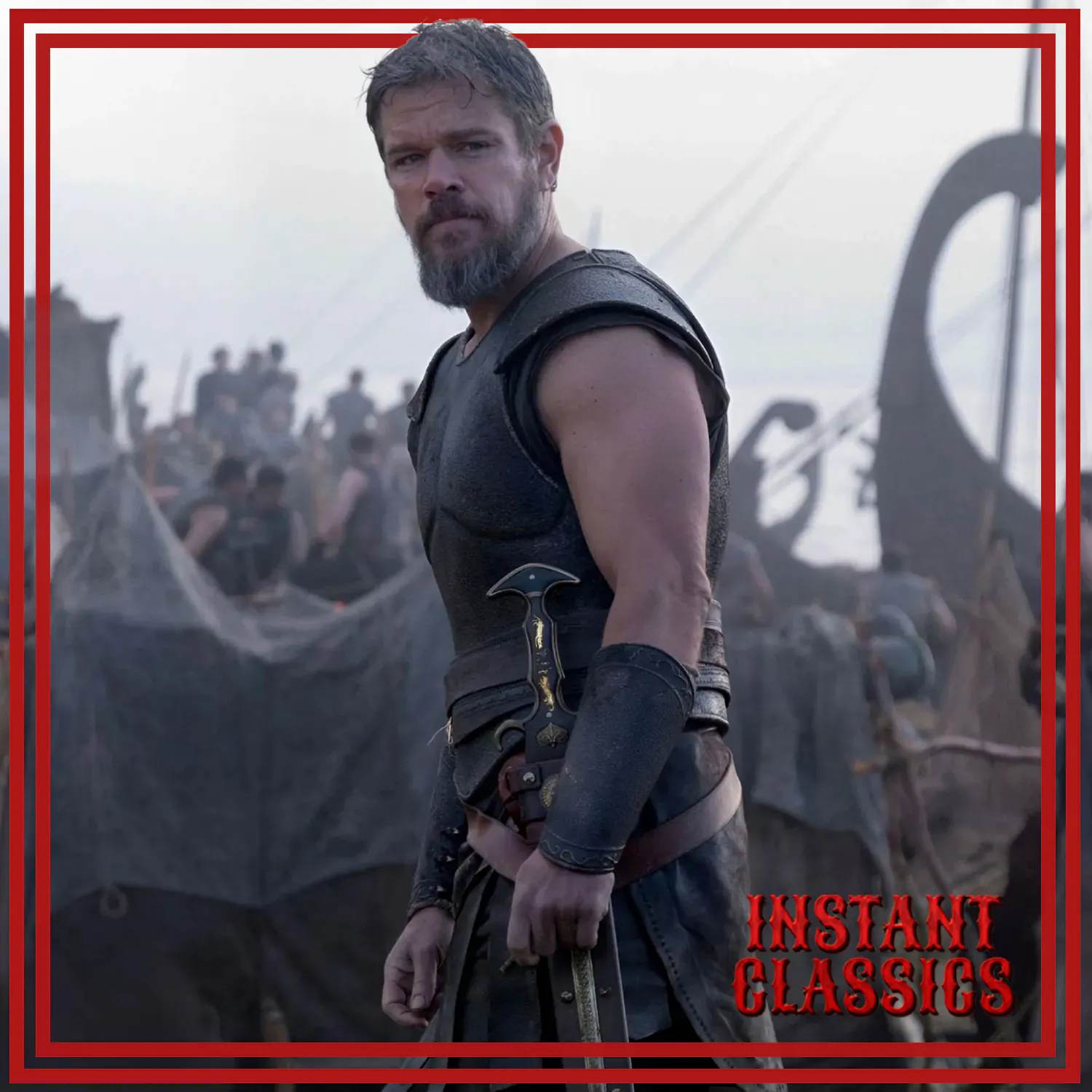
Christopher Nolan’s Odyssey adaptation shifts Homer’s epic from a narrative of heroic tradition into a modern moral critique of war and guilt. By framing Odysseus’s journey through a Judeo-Christian lens, the film replaces the original’s complex, wily trickster with a character burdened by the psychological consequence...

Christopher Nolan’s film adaptation of The Odyssey presents a visually ambitious but dour interpretation of Homer’s epic. While the non-linear, flashback-heavy narrative structure effectively mirrors the poem's complex storytelling, the film struggles with character depth, particularly regarding the protagonist’s legen...

Homer’s The Odyssey remains a foundational work of literature, currently gaining renewed attention due to an upcoming film adaptation by Christopher Nolan. The poem, composed of 24 books, follows the non-linear, complex journey of Odysseus as he attempts to return home to Ithaca after the Trojan War. Central themes inc...

American Roman cinema functions as a mirror for modern political anxieties, using the ancient world to navigate contemporary American identity. Spartacus (1960) serves as a critique of McCarthy-era institutional persecution, where the iconic line of solidarity challenges the era's forced betrayals. Conversely, Ridley S...

Washington D.C. utilizes classical architecture to project power and legitimacy, intentionally branding the capital as a modern iteration of Rome. This aesthetic choice creates a historical paradox, as the city mimics imperial forms that contradict the Republican ideals the American founders originally championed. Thom...
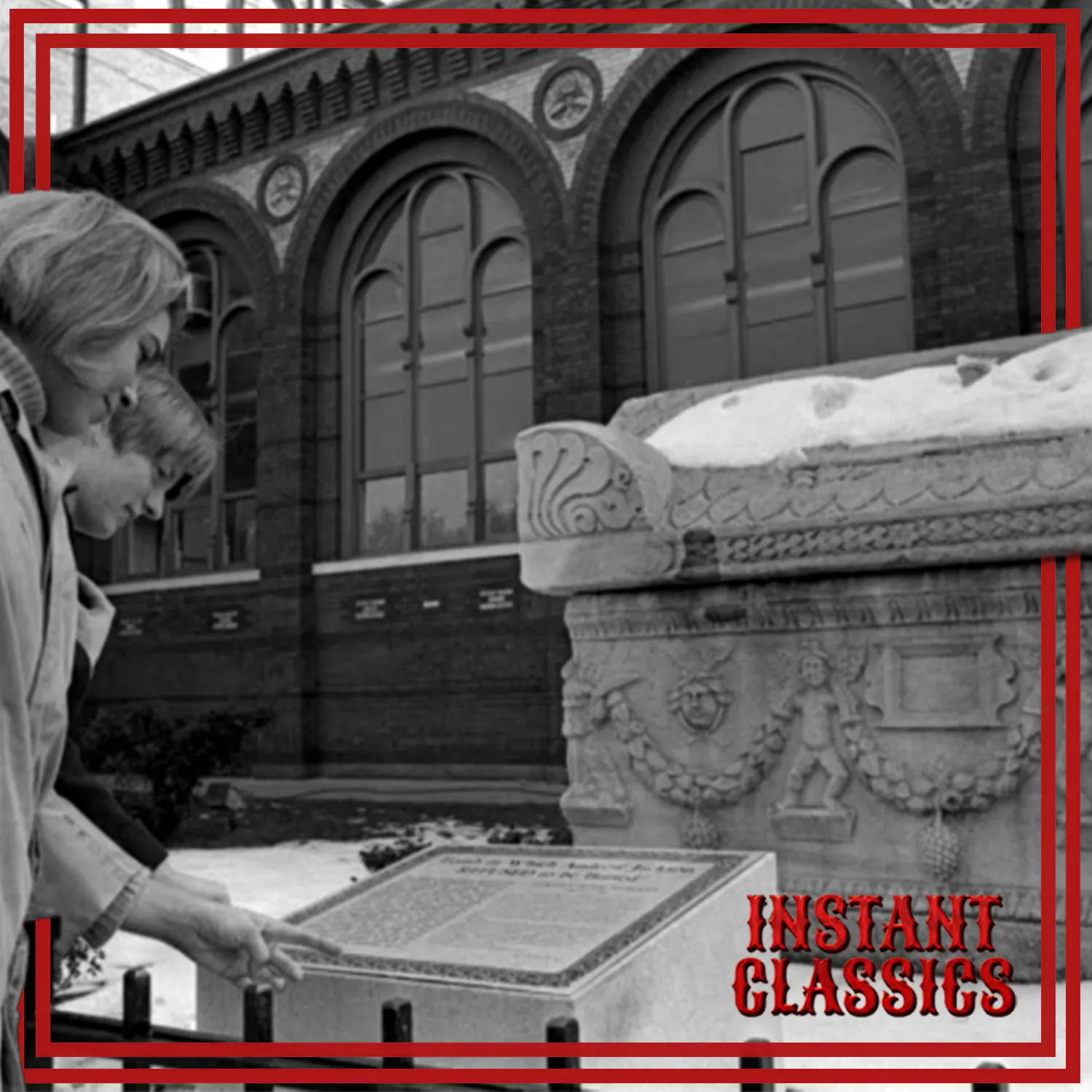
Washington D.C. hides significant classical antiquities that reveal deep-seated tensions in American political identity. A building block from the Parthenon, embedded within the Washington Monument, serves as a tangible link between Athenian democracy and the American experiment. Similarly, a Roman sarcophagus—erroneou...
Follow this podcast in Podwise
Sign in to get AI summaries, transcripts and mind maps for any episode, including new ones.