

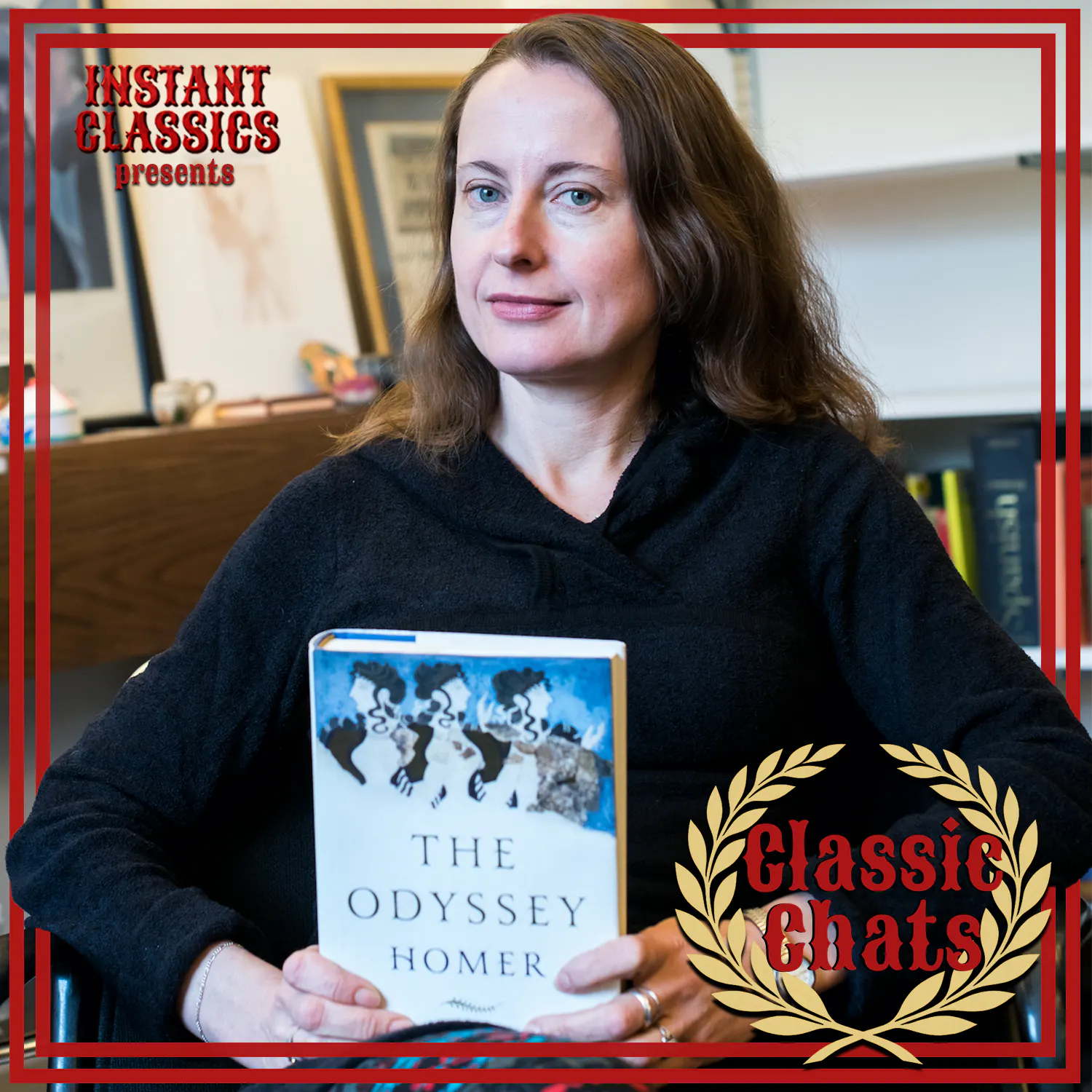

Translating Homer’s *The Odyssey* requires balancing technical fidelity with the need for narrative momentum and accessibility. Emily Wilson, a prominent translator of the epic, emphasizes that choosing a rigid verse form, specifically iambic pentameter, provides the necessary propulsive rhythm that many prose or free-verse translations lack. This approach highlights the poem’s inherent "multivocality," shifting the focus beyond a singular perspective to capture the complex, shifting viewpoints of the ancient text. Translation functions not as a definitive, static achievement but as a provisional, ongoing conversation between the original work and the translator’s cultural context. By avoiding the tedious slog often associated with classical epics, translators can reveal the poem's dramatic, performative nature, ensuring that the ancient narrative remains a vibrant, contested space for modern readers to debate and interpret.
Sign in to continue reading, translating and more.
Open full episode in Podwise