

Synthesis Superintelligence: from Semiconductors to Superconductors — Periodic Labs’ Liam Fedus and Ekin Dogus Cubuk

Latent Space: The AI Engineer Podcast
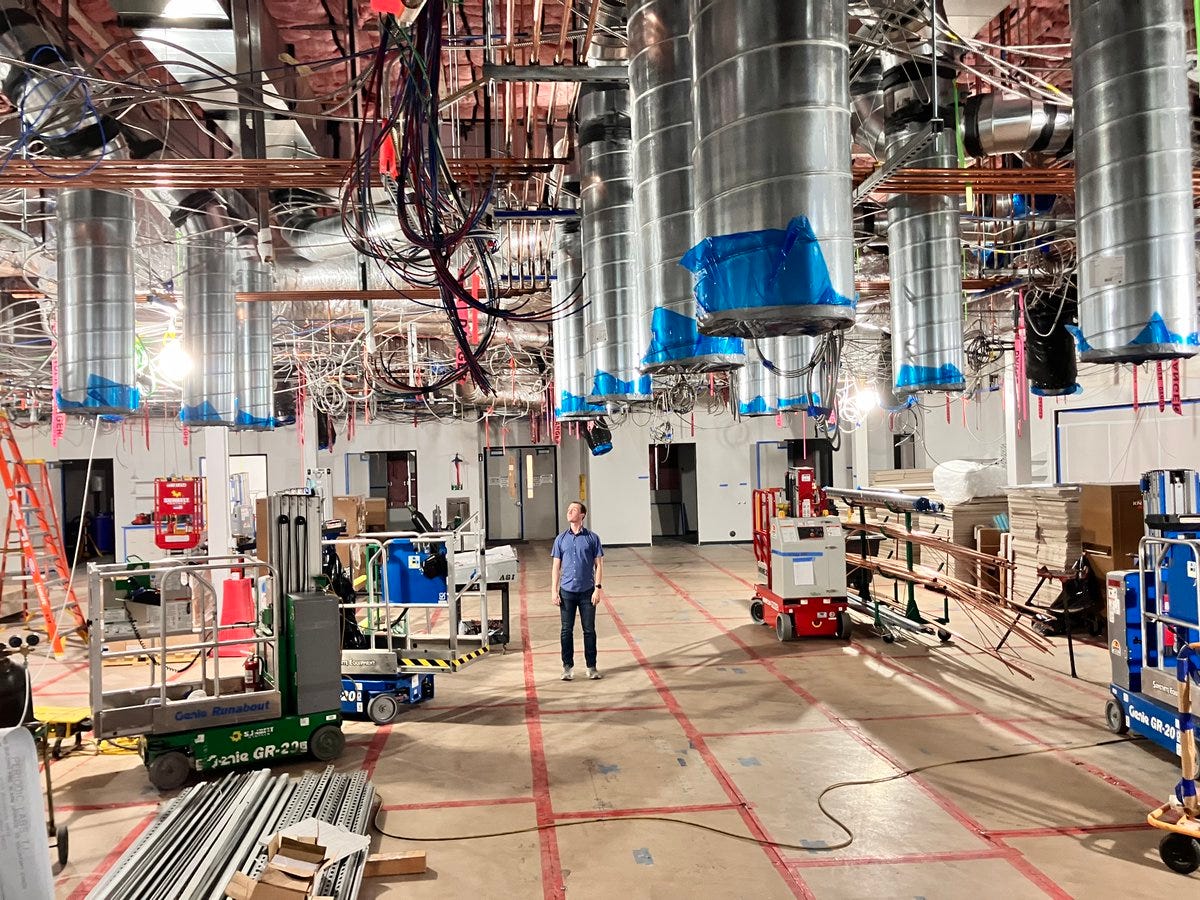
Accelerating materials discovery requires moving beyond theoretical simulation to a "synthesis superintelligence" that integrates AI with high-throughput physical experimentation. Because materials science involves complex, noisy environments—where variables like furnace degradation or mechanical vibrations introduce uncertainty—relying solely on digital models is insufficient. Periodic addresses this by building a multidisciplinary lab where AI agents control physical instruments, reducing the noise floor and enabling rapid iteration. By treating the scientific process as a data-rich loop, these systems can identify phases and optimize synthesis conditions that were previously uncomputable. This approach mirrors the collaborative, hands-on research model of Bell Labs, aiming to transform materials science from a trial-and-error discipline into a predictable engineering process, ultimately targeting breakthroughs like room-temperature superconductors and energy-efficient computing.
Sign in to continue reading, translating and more.
Open full episode in Podwise