

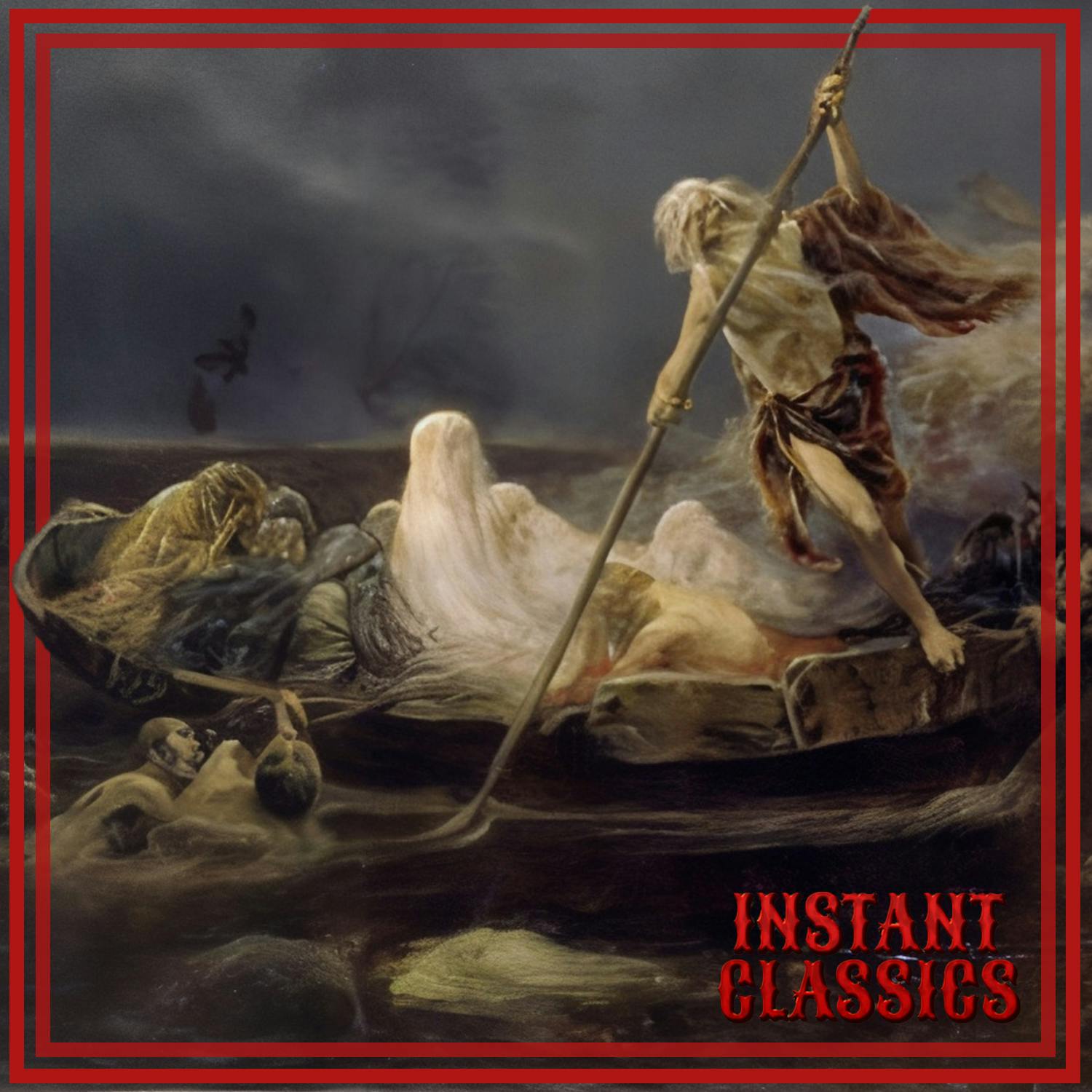

The ancient Greek and Roman conception of the Underworld functions as a symbolic threshold where heroes confront their mortality and purpose, rather than a fixed, mappable geography. Homer’s *Odyssey* portrays the realm as a desolate space inhabited by bloodless, insubstantial shades who require sacrificial offerings to regain the capacity for speech. In contrast, Virgil’s *Aeneid* expands this vision into a grand, prophetic landscape that links the hero’s personal journey to the destiny of Rome. Across both epics, the recurring motif of the failed embrace—where characters attempt to touch the dead only to have them dissolve—underscores the inherent impossibility of reconciling with the departed. These narratives persist in modern culture because they capture the universal human struggle to comprehend death and the enduring, often painful, desire to reconnect with those who have been lost.
Sign in to continue reading, translating and more.
Open full episode in Podwise