

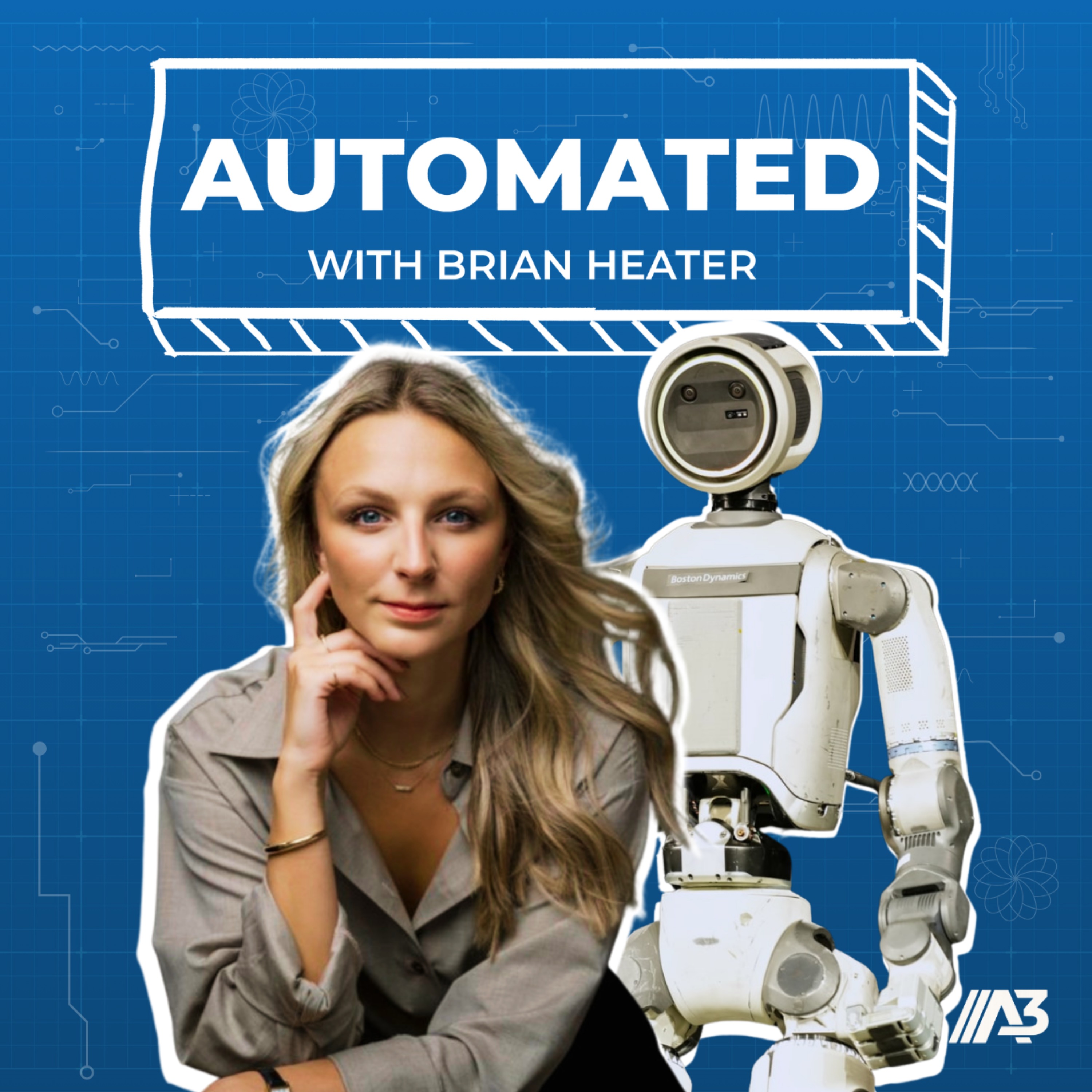
Humanoid robotics development requires balancing long-term visionary goals with immediate, pragmatic industrial applications to ensure commercial viability. Boston Dynamics’ Atlas project targets 2028 for initial customer pilots, focusing on complex, high-turnover tasks that traditional automation struggles to address. By leveraging AI-based foundational tools, the company aims to create a generalist platform capable of handling nuanced warehouse operations, such as managing inventory exceptions and non-standard parts. Success in this sector depends on proving positive return on investment through reliable, service-friendly hardware and data-driven performance improvements. Rather than relying on hard-coded programming, the integration of reinforcement learning and dexterous manipulation allows the robot to adapt to diverse environments. This approach transforms the humanoid from a research curiosity into a trusted, functional member of the industrial workforce, ultimately bridging the gap between theoretical potential and real-world utility.
Sign in to continue reading, translating and more.
Open full episode in Podwise