


Scientific Training Principles for Strength & Conditioning
17 Nov 2020
23m
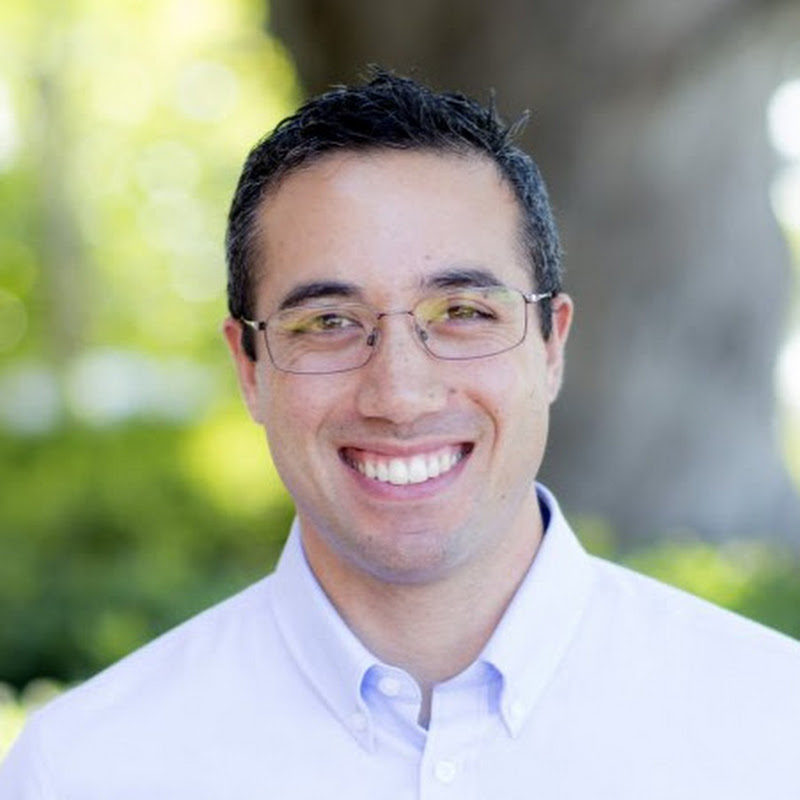
Hello Everyone! I am a professor of kinesiology, sport scientist, and former strength and conditioning coach. I am passionate about equipping my students to break into the strength and conditioning and fitness industries and helping others achieve their performance goals. I hold a PhD in Sport Performance and Physiology from East Tennessee State University (ETSU), an MA in Exercise and Sport Science from ETSU, and a BS in kinesiology from Westmont College. I am also a Certified Strength and Conditioning Specialist (CSCS) and Certified Performance and Sport Scientist (CPSS) through the NSCA. Finally, I have over a decade of experience as a coach, sport scientist, professor, and researcher working with youth, collegiate, and professional athletes; as well as general, special, and tactical populations. This channel is dedicated to giving you the tools to understand concepts in strength and conditioning and sport science, and to raise the level of coach education world-wide.


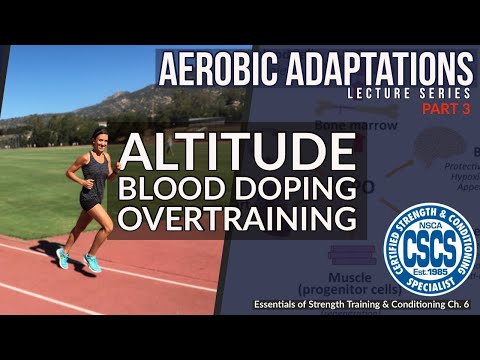
Aerobic training adaptations are significantly influenced by external factors including altitude, blood doping, and overtraining. Training at altitude triggers acute physiological stress, such as elevated heart rates, before chronic adaptations like increased red blood cell production occur; the "live high, train low" ...




Performance testing serves as a foundational tool for assessing athletic talent, identifying physical deficiencies, and guiding training programs through objective data. Effective testing requires balancing validity—the degree to which a test measures its intended construct—with reliability, which ensures consistent an...

Resistance training programming requires balancing mechanical work and volume load to achieve specific athletic goals. Mechanical work, defined as force times displacement, differs from volume load, which is simply weight multiplied by repetitions. Determining appropriate training loads involves 1RM testing or multiple...


Follow this podcast in Podwise
Sign in to get AI summaries, transcripts and mind maps for any episode, including new ones.