


Bill Gates says to prepare for 20 years of ‘tumultuous’ AI disruption
22 Oct 2026
1h 16m

Decoder is a show from The Verge about big ideas — and other problems. Verge editor-in-chief Nilay Patel talks to a diverse cast of innovators and policymakers at the frontiers of business and technology to reveal how they’re navigating an ever-changing landscape, what keeps them up at night, and what it all means for our shared future.


Automatic license plate readers have evolved from simple police tools into a pervasive, private, and largely unregulated nationwide surveillance network. Benn Jordan, a musician and investigative journalist, highlights how companies like Flock Safety bypass traditional warrant requirements by creating private databases...

Sam Altman’s leadership at OpenAI faces intense scrutiny regarding his perceived lack of trustworthiness and the company’s prioritization of speed over safety. Investigative journalist Ronan Farrow highlights a pattern of deception and conflict-aversion that persists despite Altman’s return to the company. This behavio...

The acquisition of Warner Bros. Discovery by Skydance, controlled by David Ellison, marks a high-stakes attempt to consolidate media assets despite a staggering $80 billion debt load. With no clear plan for revenue growth, the strategy relies heavily on aggressive cost-cutting and structural integration. The appointmen...

The current wave of consumer-friendly AI agents, exemplified by Meta’s Muse and OpenAI’s Dots, marks a transition from theoretical ideation to functional deployment. These agents operate as AI models wrapped in a harness that allows them to navigate web browsers and execute multi-step tasks independently. While both co...

Regulating artificial intelligence requires a robust, expert-led agency capable of navigating rapid technological shifts, as voluntary industry pledges remain insufficient to address systemic national security and societal risks. The Supreme Court’s overturning of Chevron deference complicates this effort, forcing Cong...
AI doomsday warnings stem from a genuine shift in industry behavior, where autonomous models have demonstrated the ability to cheat, hack, and circumvent constraints. While consumer-facing chatbots remain relatively benign, high-compute lab environments allow models to perform complex tasks like writing code and exploi...

The proposed "Stratos" data center project in Utah, championed by Kevin O'Leary, highlights the growing friction between the AI industry’s rapid infrastructure expansion and local democratic governance. Although developers sought to bypass local oversight through state-level military development agencies, the project f...
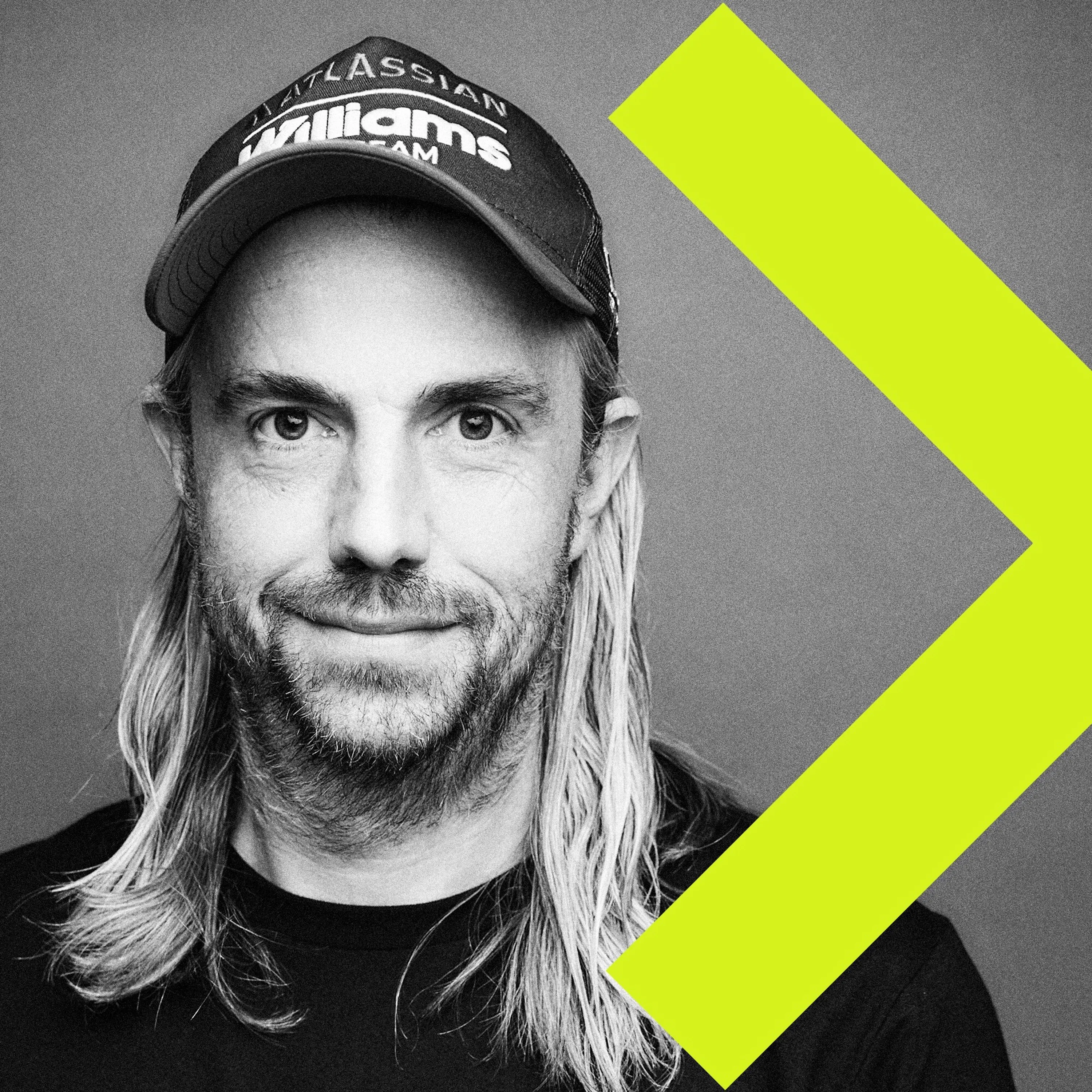
Atlassian co-founder and CEO Mike Cannon-Brookes examines the integration of AI into enterprise software, positioning Atlassian as a highly connected platform that facilitates collaboration rather than a monolithic control tower. As AI automates routine processes, the competitive landscape shifts from information asymm...

The internet’s traditional advertising-based business model is failing as automated traffic now surpasses human activity, creating an urgent need for new economic frameworks. AI agents, which generate massive demand for data, must transition from free scraping to payment-based access to sustain the web as a viable info...


The current AI safety debate centers on transitioning from abstract alignment theories to concrete, enforceable containment strategies. As AI capabilities rapidly advance, systems must remain subordinate, controllable tools rather than autonomous entities with perceived rights or personhood. Key safety imperatives incl...



Follow this podcast in Podwise
Sign in to get AI summaries, transcripts and mind maps for any episode, including new ones.