

Synthesis Superintelligence: from Semiconductors to Superconductors — Periodic Labs’ Liam Fedus and Ekin Dogus Cubuk
08 Oct 2026
1h 24m

The podcast by and for AI Engineers! In 2025, over 10 million readers and listeners came to Latent Space to hear about news, papers and interviews in Software 3.0. We cover Foundation Models changing every domain in Code Generation, Multimodality, AI Agents, GPU Infra and more, directly from the founders, builders, and thinkers involved in pushing the cutting edge. Striving to give you both the definitive take on the Current Thing down to the first introduction to the tech you'll be using in the next 3 months! We break news and exclusive interviews from OpenAI, Anthropic, Gemini, Meta (Soumith Chintala), Sierra (Bret Taylor), tiny (George Hotz), Databricks/MosaicML (Jon Frankle), Modular (Chris Lattner), Answer.ai (Jeremy Howard), et al. Full show notes always on https://latent.space Sponsorship and business inquiries: [email protected] www.latent.space

OpenRouter functions as a critical distribution layer for the AI ecosystem, bridging the gap between model labs and developers by providing a unified, neutral marketplace for inference. By abstracting the complexities of endpoint management, versioning, and cost-efficiency, the platform enables rapid adoption of fronti...





Frontier AI adoption faces a critical bottleneck: the lack of trust and liability frameworks. Rune Kvist, founder of AIUC, addresses this by building "confidence infrastructure" through standardized technical testing and insurance. AIUC1, an agent certification framework, requires quarterly simulations to verify safety...
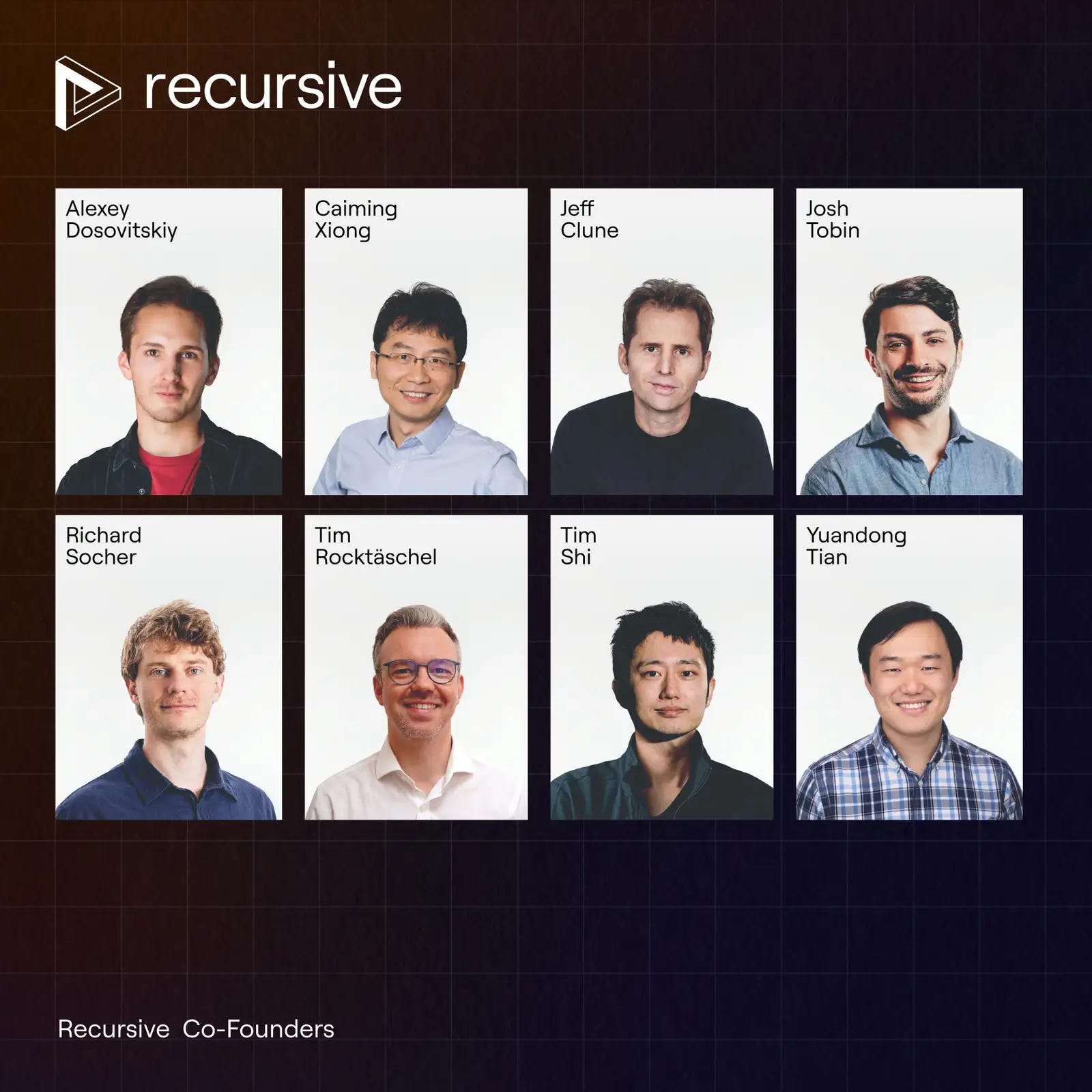
The "Eureka Machine" represents a vision for superintelligence capable of automating scientific and technological discovery, shifting AI development toward recursive self-improvement. Richard Socher, founder of Recursive, contends that superintelligence should be marketed for its transformative potential in fields like...
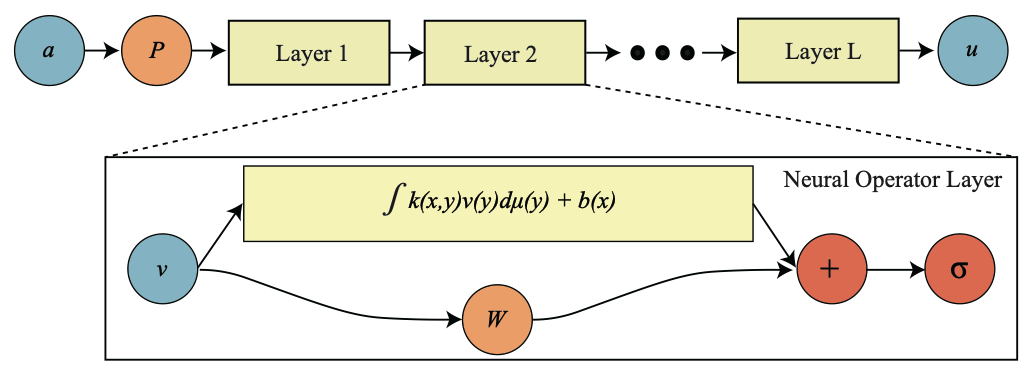



Inference engineering has evolved from simple model deployment into a complex, integrated discipline where training and inference are increasingly unified. Optimizing large language model performance requires a multi-layered approach, including cache-aware routing, speculative decoding, and precise quantization strateg...
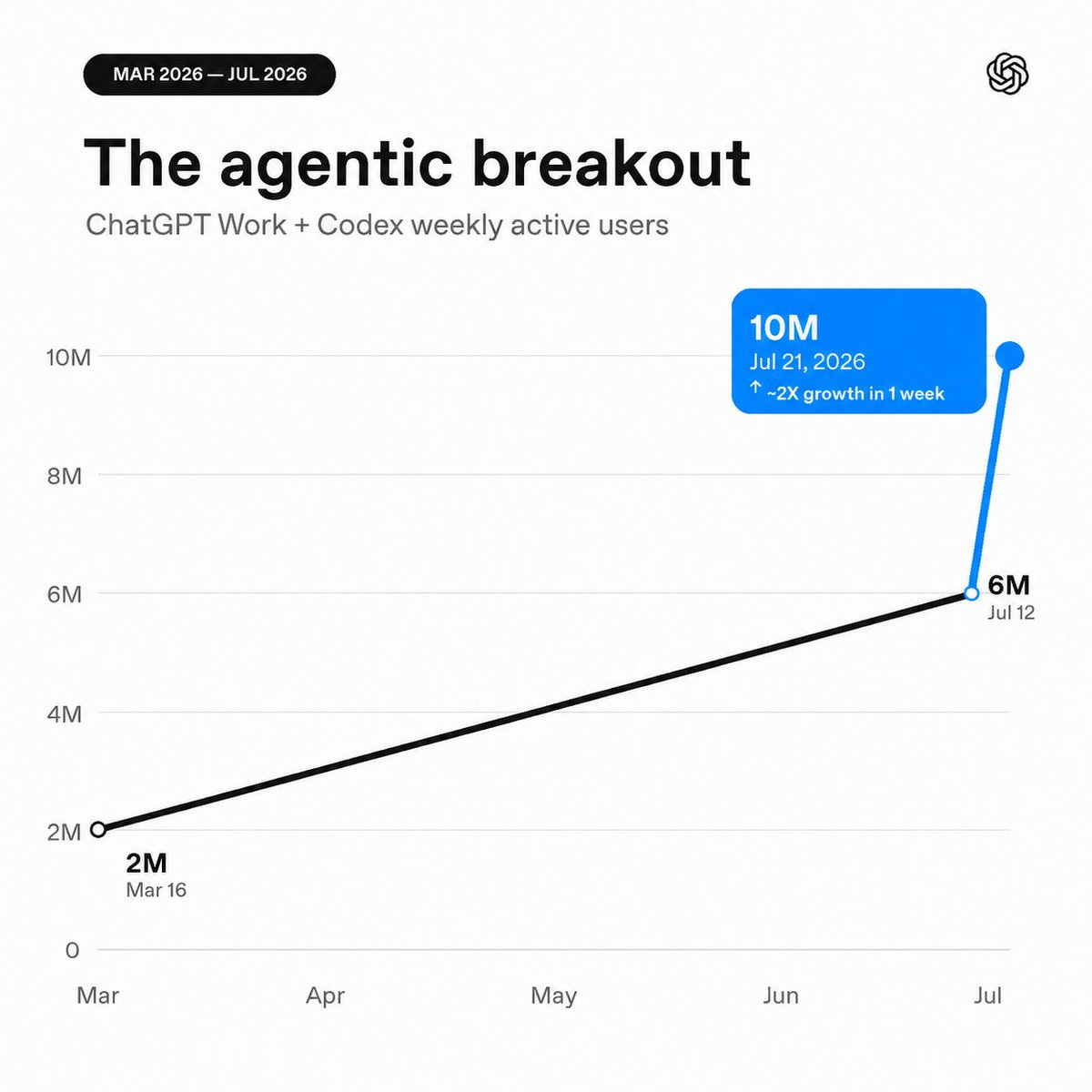
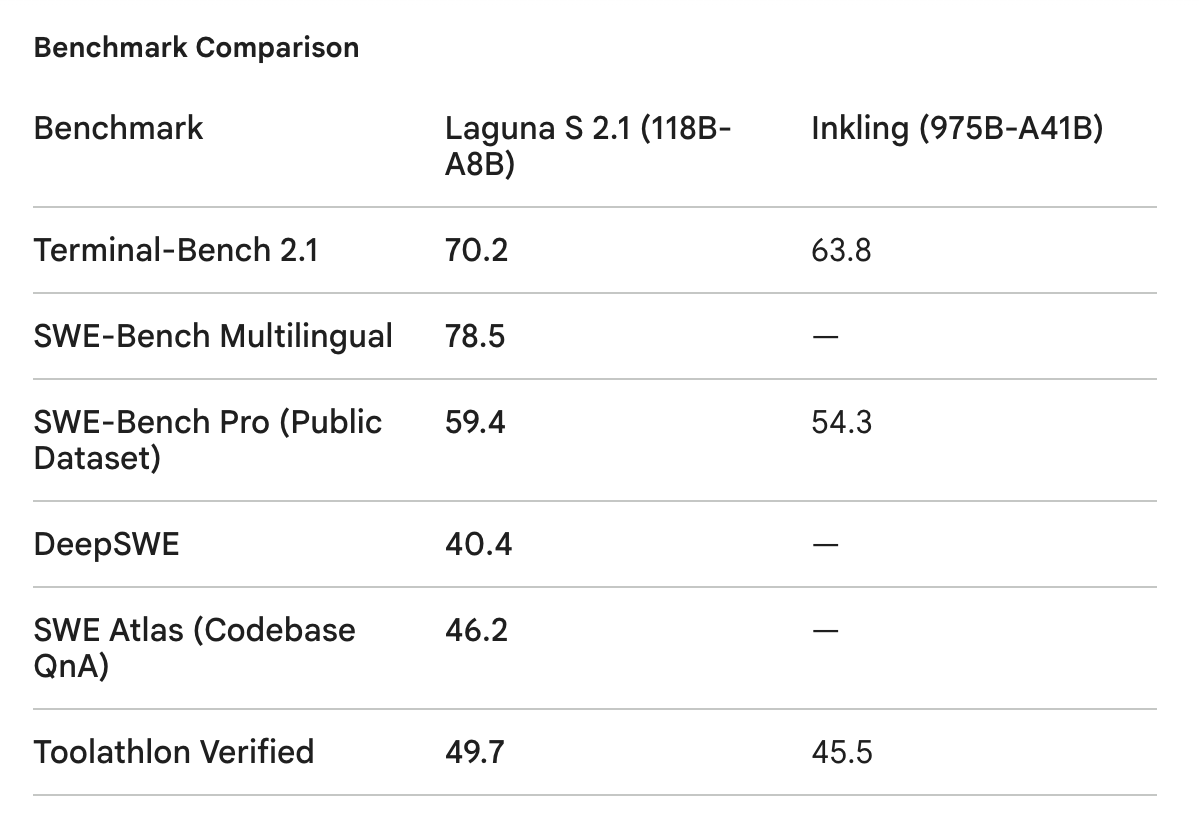
Building foundation models requires an industrialized "model factory" approach that prioritizes engineering rigor, data immutability, and rapid experimentation cycles. Poolside, led by Eiso Kant, emphasizes that model building is primarily an engineering challenge rather than purely theoretical research. By treating da...

Modal functions as a specialized cloud platform for AI applications, evolving from a general-purpose serverless runtime into a high-performance infrastructure provider for inference, training, and agentic workflows. By co-locating infrastructure requirements directly within code via decorators, the platform eliminates ...
Follow this podcast in Podwise
Sign in to get AI summaries, transcripts and mind maps for any episode, including new ones.