


Conscripted to a West German Nuclear Missile Unit (457)
22 May 2026
1h 13m

"Listening to even one episode of "Cold War Conversations" will make this sprawling, potentially intimidating period of history feel vivid and compelling." The New York Times Experience the Cold War like never before with Cold War Conversations — an award-winning podcast. Each week, host Ian Sanders brings you raw, firsthand accounts from the people who lived through one of history’s most tense and transformative eras — soldiers, spies, civilians, and more. These aren’t stories from textbooks. They’re unfiltered voices from the frontlines of history — emotional, gripping, and deeply human. This is Cold War history, told from the inside out.
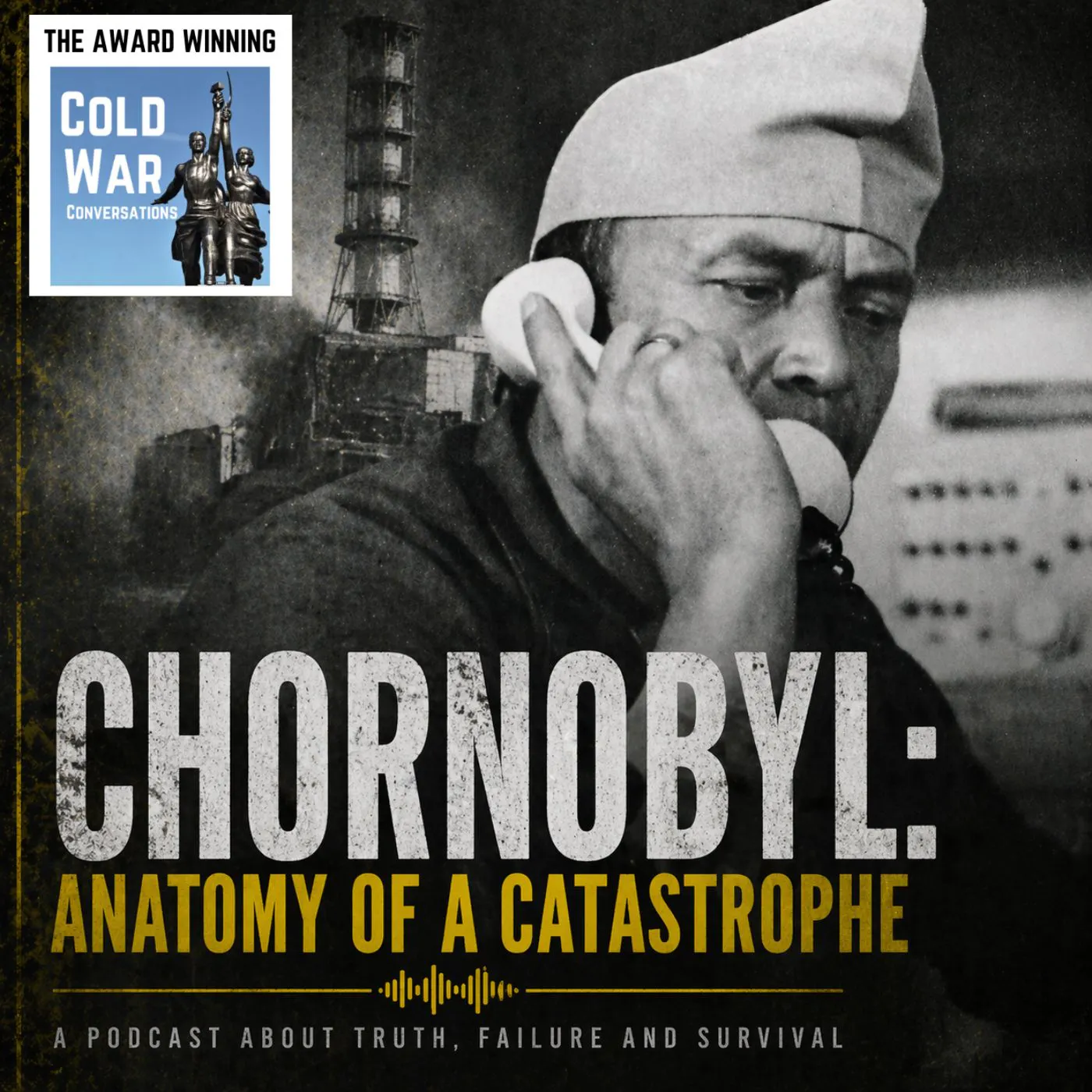
The Chernobyl nuclear disaster on April 26, 1986, resulted from a fatal combination of flawed RBMK reactor design, human error, and a culture of institutional secrecy. During a routine safety test, operators pushed the reactor into an unstable state, triggering a catastrophic power surge and subsequent explosions that ...

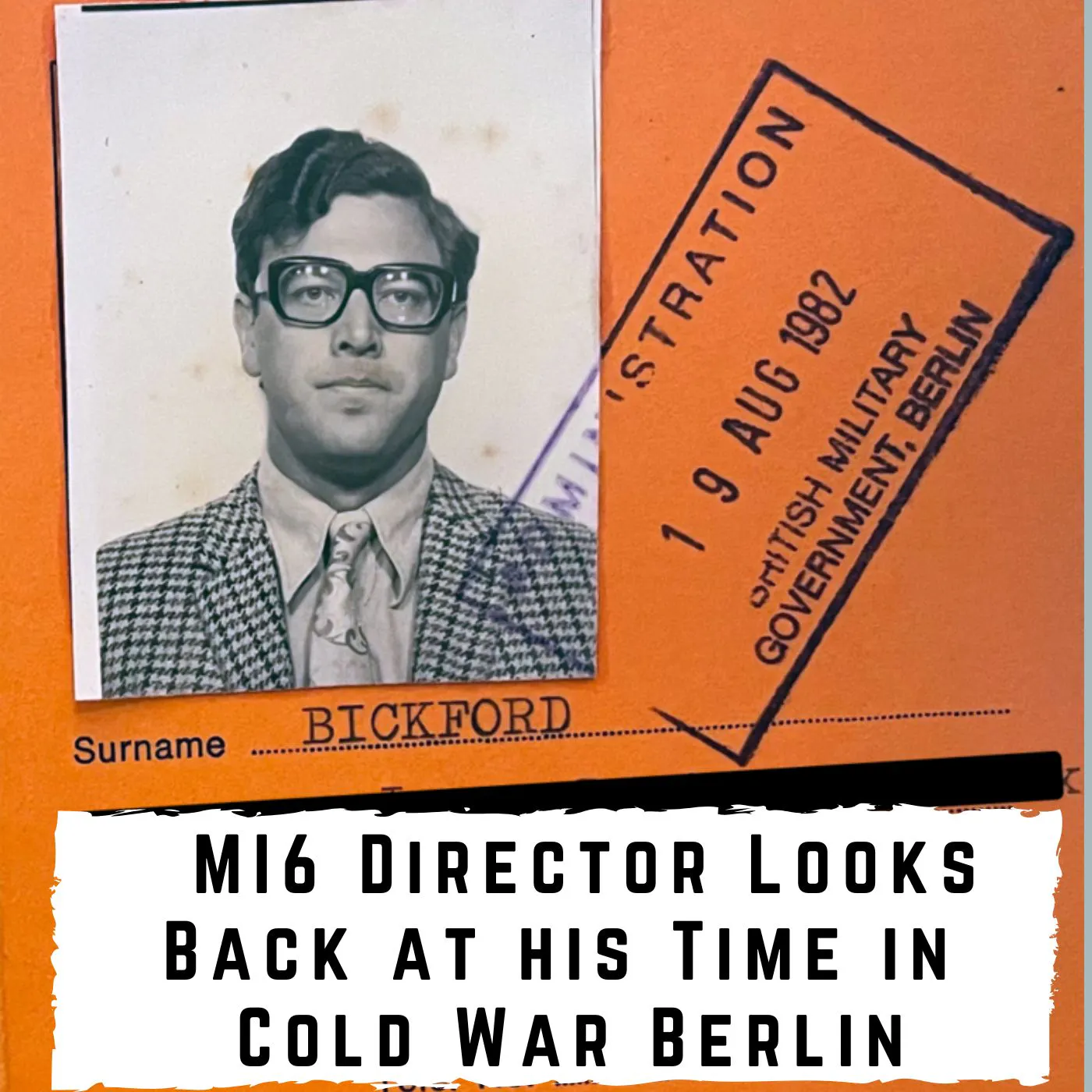
Former MI6 director David Bickford recounts his experiences as a legal advisor in West Berlin during the Cold War, detailing the complex political landscape and the constant negotiations with the Soviets over access rights. Bickford describes the stark contrast between the capitalist showcase of West Berlin and the opp...
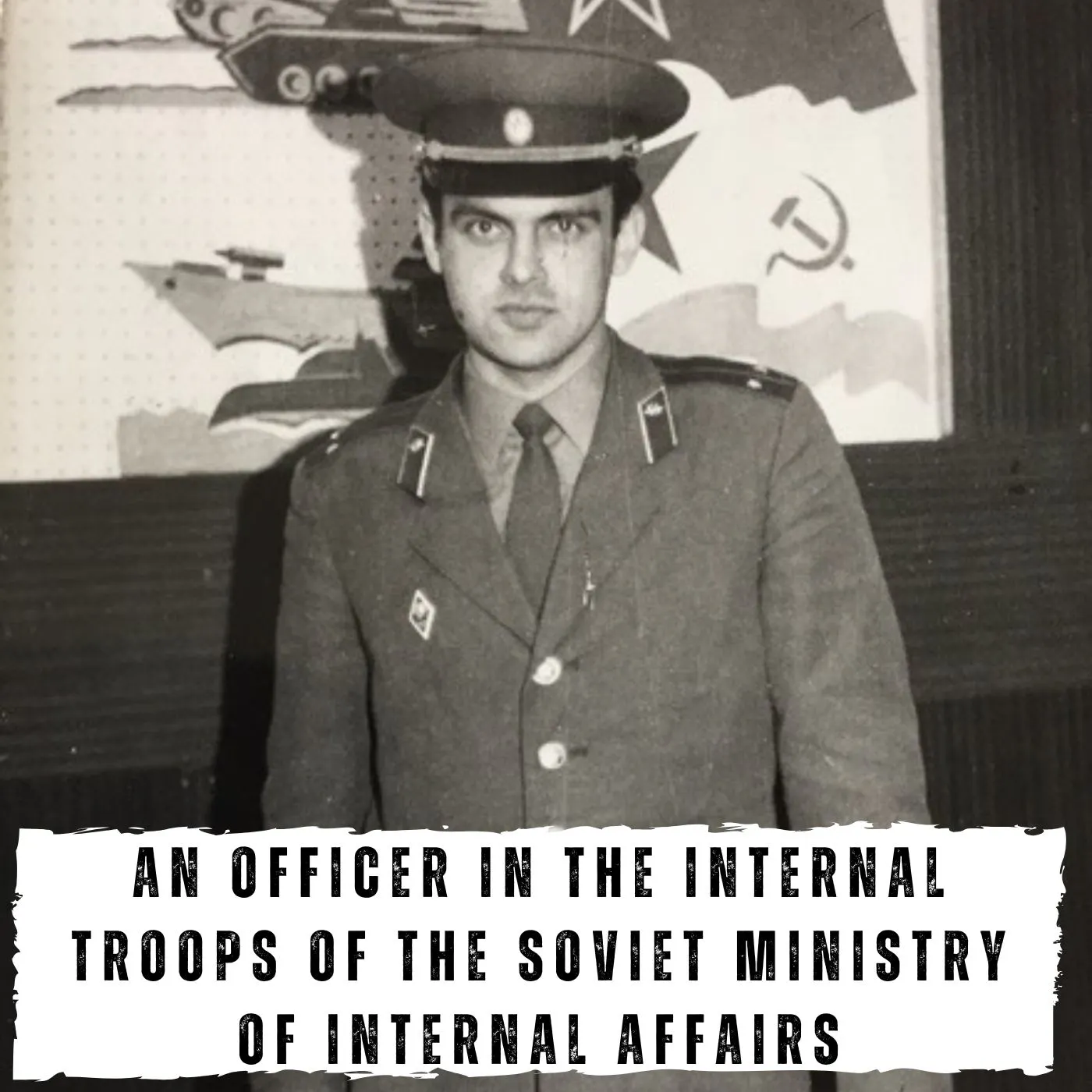
The podcast explores Ihor's experiences as an officer in the Soviet Union's Ministry of Interior troops, focusing on his training, responsibilities, and observations during the Cold War era. Ihor recounts his initial officer training in Lithuania, detailing communications and field operations, and later his role in Lat...

Growing up in Soviet Ukraine during the Cold War, Ihor's experiences were shaped by censorship and a complex family history. He recalls a stark contrast between city life, where his parents avoided discussing the past, and summers with his grandparents near the Polish border, where stories of war and shifting national ...



The podcast explores Susan Miller's journey from a journalism student to a CIA operations officer during the Cold War. Miller recounts her initial, almost accidental, application to the CIA and the rigorous vetting process that followed, including humorous anecdotes about questions regarding drug use. She details her p...

The Royal Artillery's Special Observation Post Troop during the Cold War is examined through the experiences of veteran Colin Ferguson. The conversation explores the troop's formation in 1982 to address a capability gap in targeting Warsaw Pact forces, detailing their role in digging in behind enemy lines to direct art...

The podcast explores Peter Kasl's family's daring escape from communist Czechoslovakia, detailing the meticulous 13-year planning process driven by the oppressive political climate after the Prague Spring. Kasl recounts the constant surveillance, limited opportunities, and the severe repercussions faced after his uncle...

Follow this podcast in Podwise
Sign in to get AI summaries, transcripts and mind maps for any episode, including new ones.