


Intelligence is collective, not artificial — Prof. Michael I. Jordan (UC Berkeley / Inria)
21 May 2026
1h 17m
Welcome! We engage in fascinating discussions with pre-eminent figures in the AI field. Our flagship show covers current affairs in AI, cognitive science, neuroscience and philosophy of mind with in-depth analysis. Our approach is unrivalled in terms of scope and rigour – we believe in intellectual diversity in AI, and we touch on all of the main ideas in the field with the hype surgically removed. MLST is run by Tim Scarfe, Ph.D (https://www.linkedin.com/in/ecsquizor/) and features regular appearances from MIT Doctor of Philosophy Keith Duggar (https://www.linkedin.com/in/dr-keith-duggar/).

AI evaluation methodologies currently struggle to capture the true capabilities and risks of rapidly advancing models. Traditional benchmarks often suffer from distributional leakage and over-reliance on headline accuracy, failing to measure generalization or robustness. The Time Horizon Graph, developed by METR, addre...

Evolutionary algorithms combined with Large Language Models (LLMs) offer a transformative path for accelerating scientific discovery through autonomous, sample-efficient exploration. Robert Lange, a founding researcher at Sakana AI, details the "Shinka Evolve" framework, which utilizes LLM-driven program mutation and c...

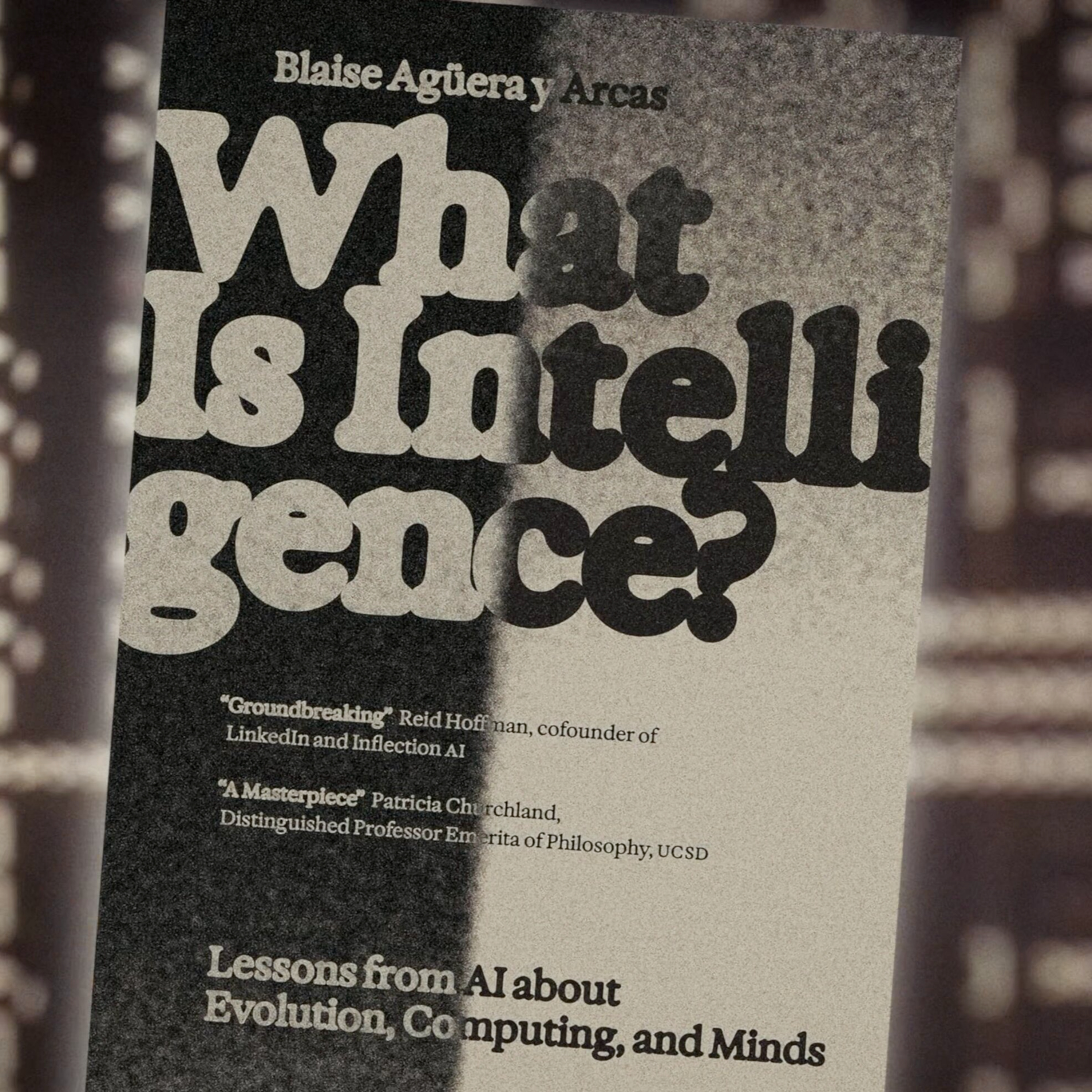
Life functions as embodied computation, where the emergence of complexity arises from symbiogenesis rather than simple Darwinian mutation. By modeling life as a self-replicating, Turing-complete system, the "BFF" experiment reveals that random, non-living components undergo a phase transition into complex, functional r...

The podcast explores the philosophy of science, particularly focusing on abstraction, idealization, and the limitations of mechanistic explanations in understanding the brain and cognition. Mazviita Chirimuuta, author of "The Brain Abstracted," discusses how scientific models often simplify or misrepresent reality due ...


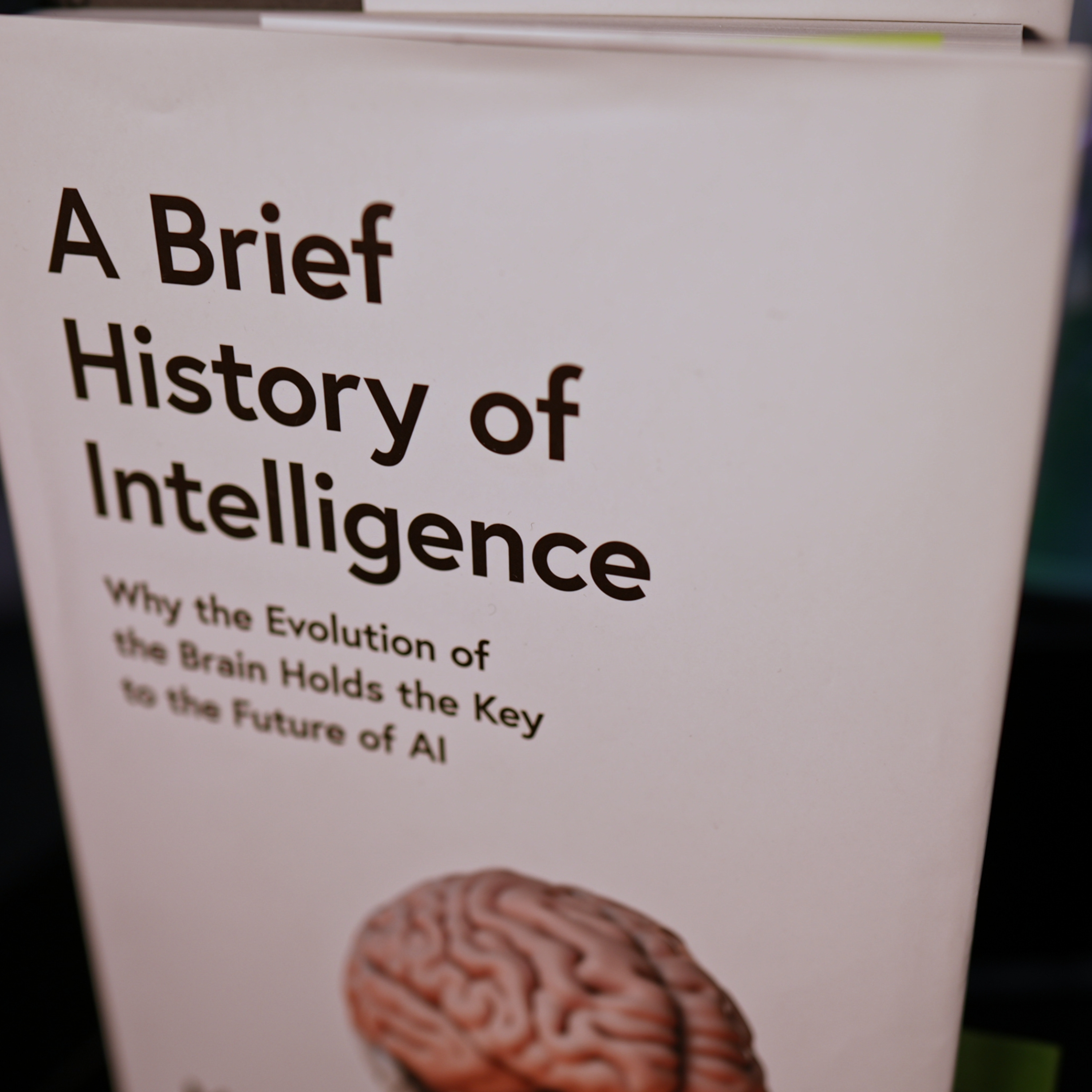
The neocortex functions as a generative model that enables "learning by imagining," allowing organisms to simulate future outcomes and engage in model-based reinforcement learning. This evolutionary breakthrough, supported by structures like the basal ganglia, facilitates flexible adaptation by pruning search spaces th...

The discussion centers on understanding knowledge, its growth, diffusion, and value, as explored in Cesar Hidalgo's book, "The Infinite Alphabet and the Loss of Knowledge." Hidalgo argues for a scientific study of knowledge, governed by laws affecting its growth, diffusion, and value estimation, emphasizing its non-fun...

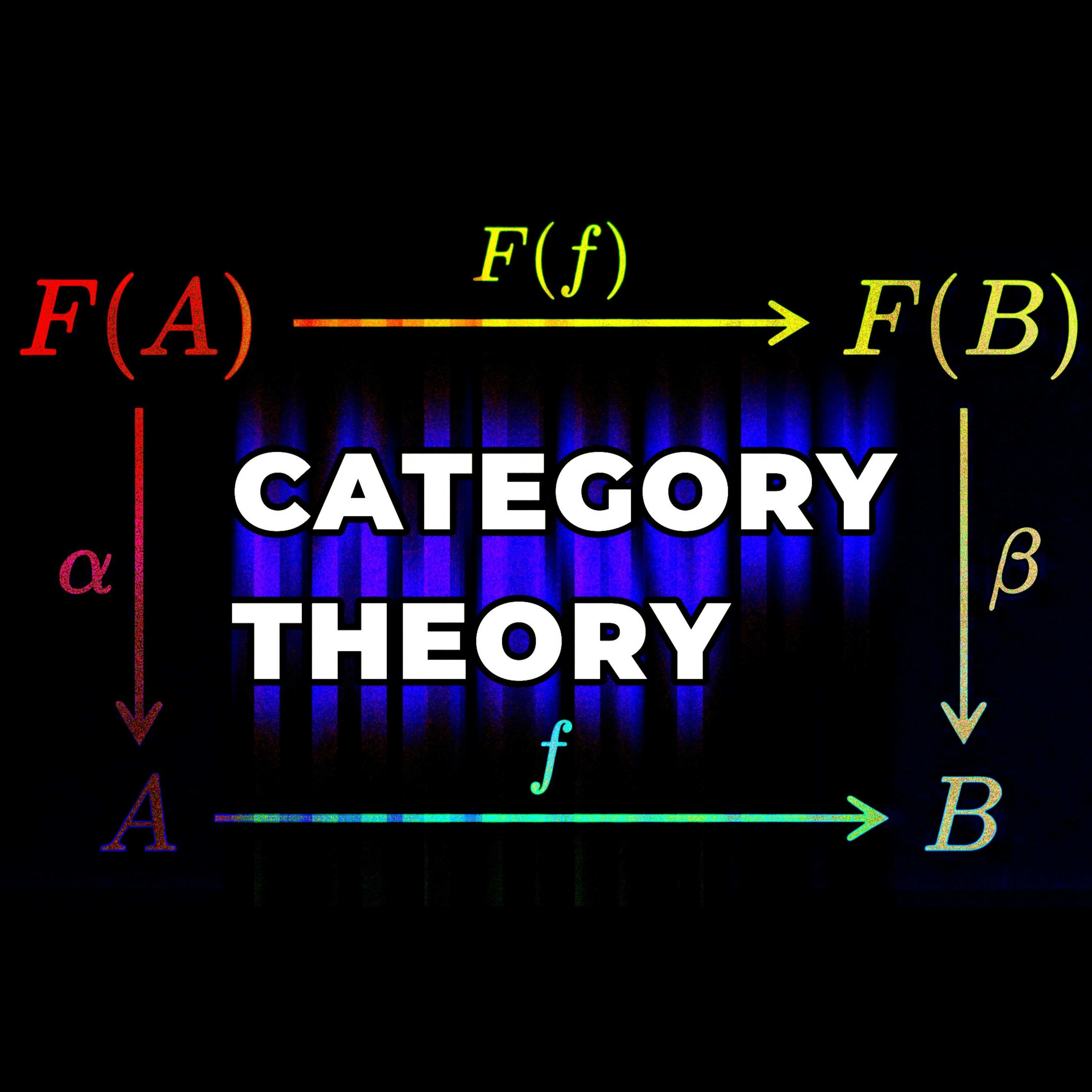
The podcast explores categorical deep learning as a potential unifying framework for neural networks, addressing the current lack of theoretical foundations in deep learning architectures. It highlights how category theory can bridge the gap between constraints and implementation in deep learning, offering a universal ...


In this interview, Professor Yi Ma discusses his book, "Learning Deep Representations of Data Distributions," and his mathematical theory of intelligence based on parsimony and self-consistency. He clarifies common misunderstandings about intelligence, differentiating between compression and abstraction, and memorizati...

The podcast explores Tensor Logic, a new language for AI, with Pedro Domingos, a computer science professor at the University of Washington. Domingos argues that Tensor Logic unifies symbolic AI, deep learning, kernel machines, and graphical models by deeply merging tensor algebra and logic programming. The discussion ...
The podcast features Llion Jones, one of the inventors of the Transformer model, and Luke Darlow, a research scientist at Sakana AI, discussing the current state and future directions of AI research. Jones expresses concern about the field being oversaturated with Transformer-based research, advocating for more explora...

The podcast features a discussion about the importance of human data and expertise in the field of artificial intelligence. The speakers highlight the often-overlooked role of human input in AI development, from labeling data to evaluating model performance. They discuss Prolific, a human data infrastructure company th...

This podcast features an interview with Professor Chris Kempes from the Santa Fe Institute, who discusses his interdisciplinary research background spanning physics, biophysics, ecology, and astrobiology. The conversation explores the reconciliation of different scientific cultures—variance, exactitude, and coarse-grai...
In this interview, Blaise Agüera y Arcas discusses his new book, "What is Intelligence?" and his work at Google as CTO of Technology and Society, including his research group, Paradigms of Intelligence (PAI). He delves into the computational nature of life, drawing parallels between DNA and computer programs, and explo...
Follow this podcast in Podwise
Sign in to get AI summaries, transcripts and mind maps for any episode, including new ones.