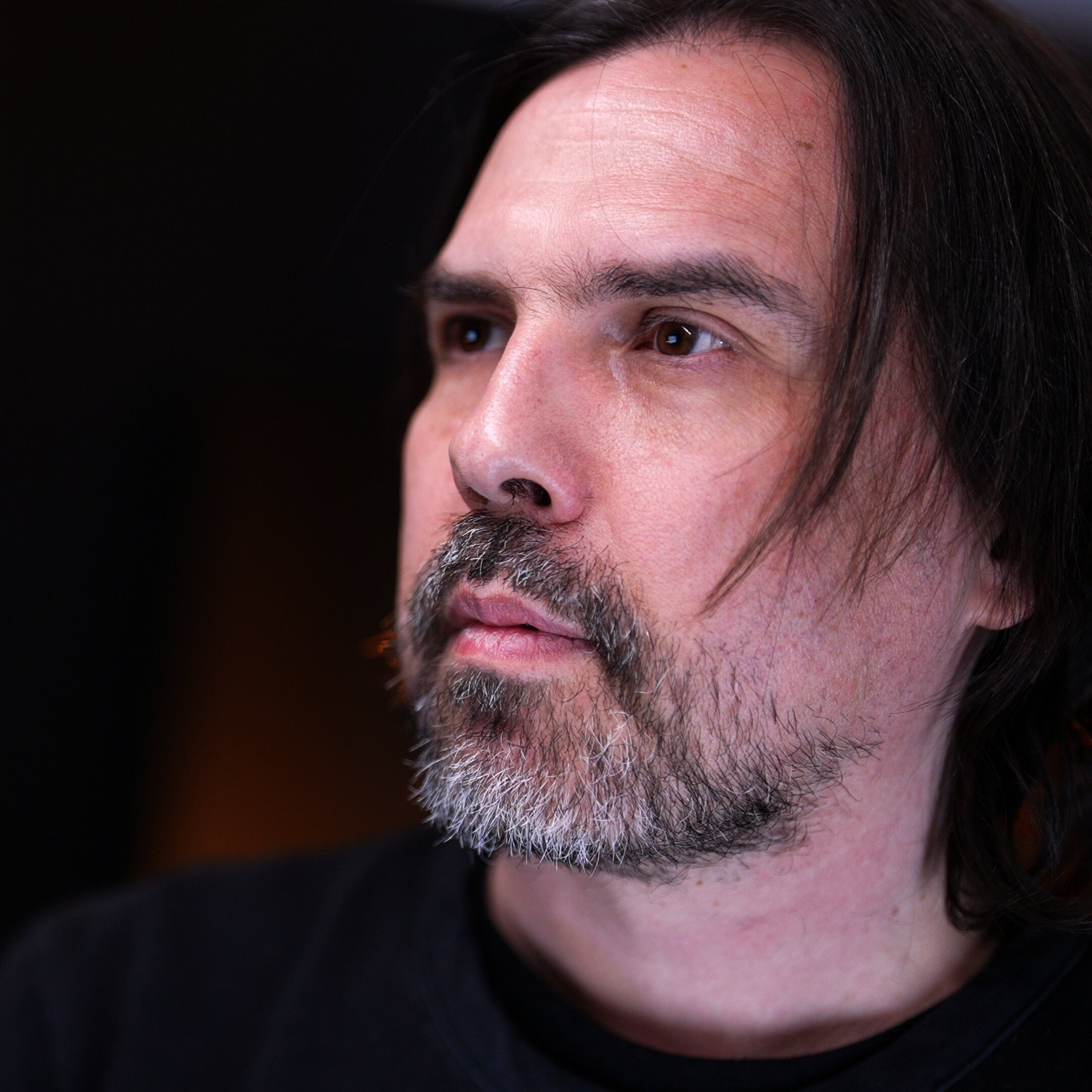
The discussion centers on understanding knowledge, its growth, diffusion, and value, as explored in Cesar Hidalgo's book, "The Infinite Alphabet and the Loss of Knowledge." Hidalgo argues for a scientific study of knowledge, governed by laws affecting its growth, diffusion, and value estimation, emphasizing its non-fungible nature. He contrasts this with the traditional economic view of knowledge as an undifferentiated, accumulable quantity. The conversation explores knowledge diffusion, highlighting the importance of physical embodiment and experiential learning, referencing examples like Samuel Slater and the rebuilding of the Ise Temple. The discussion also covers disruptive innovation, Moore's Law, and the role of migration in knowledge diffusion, using the example of Vietnamese migrants in the US.
Outlines
Part 1: Foundations and Laws of Knowledge
Part 2: Embodiment and Classification
Part 3: Organizational Learning and Innovation
Part 4: The First Law: Learning Curves and Tacit Knowledge
Part 5: Physicality and Decay of Knowledge
Part 6: Scaling and Disruptive Cycles
Part 7: Geography, Migration, and Diffusion
Part 8: Global Development and the China Case Study
Part 9: Complexity, Measurement, and AI
Sign in to continue reading, translating and more.