

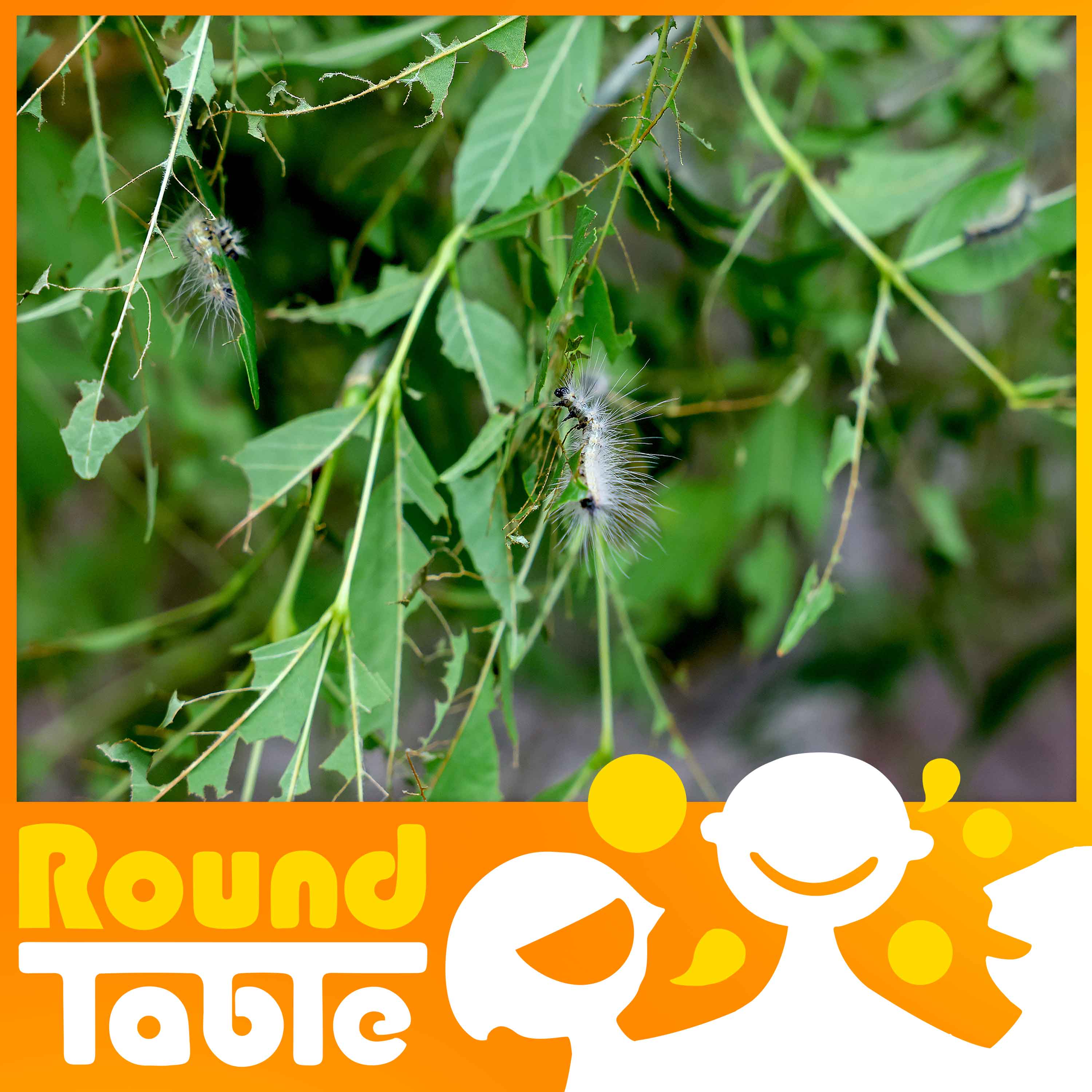

Beijing is currently facing a severe infestation of the invasive American white moth, with caterpillars appearing in record numbers due to warmer winters and increased rainfall. This year, the population has reached 3.5 generations, causing significant damage to urban trees and widespread public distress. To combat the pest, authorities are releasing hundreds of millions of tiny, non-toxic parasitic wasps that specifically target moth pupae, offering a sustainable alternative to chemical pesticides which are difficult to apply in dense residential areas. While these caterpillars are not poisonous or disease-carrying, their presence has prompted significant community-led monitoring efforts. Residents are actively participating in control measures, using mobile applications to report sightings and engaging in local collection campaigns to mitigate the impact of this persistent invasive species.
Sign in to continue reading, translating and more.
Open full episode in Podwise