

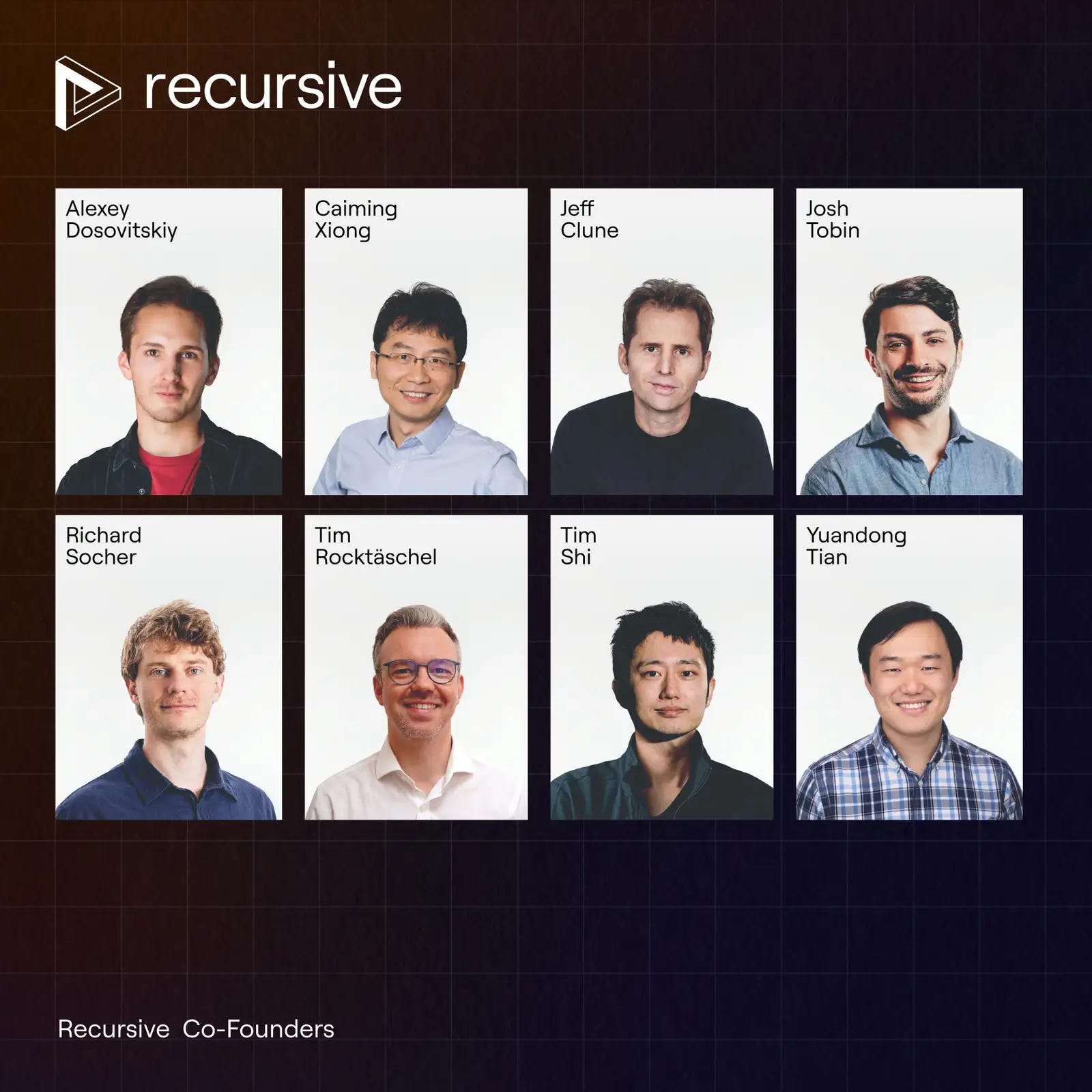
Humanity’s Last Invention — Richard Socher of Recursive

Latent Space: The AI Engineer Podcast
The "Eureka Machine" represents a vision for superintelligence designed to automate scientific and technological invention across fields like physics, chemistry, and biology. Rather than fearing a rapid "hard takeoff," the development of such systems faces significant physical and economic constraints, necessitating a focus on automating the research process itself—ideation, implementation, and validation. Richard Socher, founder of Recursive, advocates for this self-improving architecture, arguing that current AI regulation should target specific, high-risk applications rather than abstract intelligence or compute capacity. Open-source models serve as a vital form of "soft power," ensuring diverse access to intelligence and preventing a monoculture in AI development. By shifting focus from simple task-based models to recursive, self-improving systems, humanity can accelerate discoveries in energy, materials science, and medicine, ultimately leveraging AI to solve complex, real-world problems.
Sign in to continue reading, translating and more.
Open full episode in Podwise