

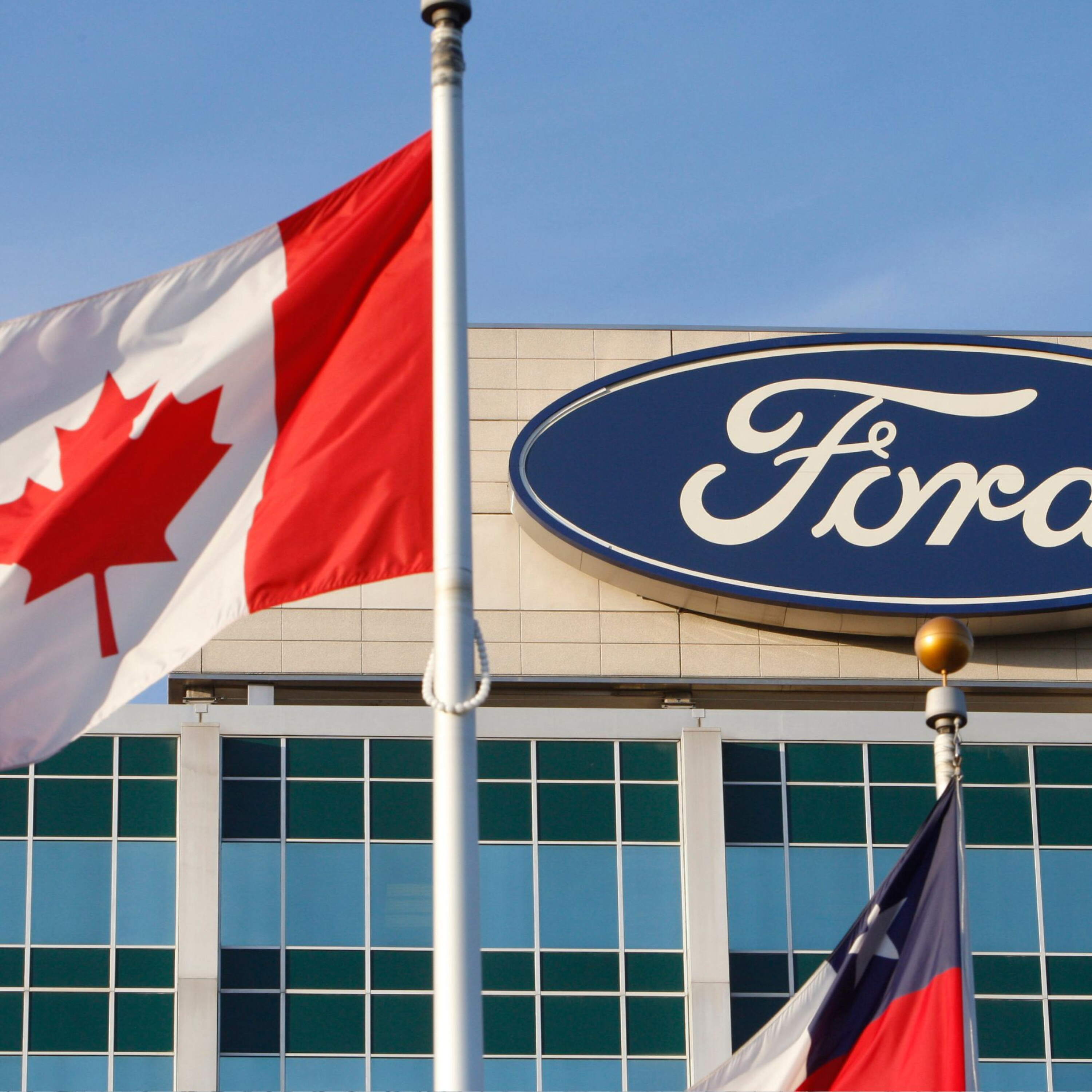

The escalating trade war between the United States and Canada centers on reciprocal tariffs affecting billions in goods, including steel, dairy, and automotive products. Canada’s counter-tariff strategy focuses on "cutting narrow but deep," specifically targeting industrial inputs in key U.S. swing states like Ohio and Pennsylvania to exert political pressure ahead of midterms. While the current $20 billion in retaliatory tariffs aims to signal resistance, the looming threat of 50% tariffs on Canadian autos poses an existential risk to the integrated North American auto industry established by the 1965 auto pact. Beyond economic consequences, the dispute has inflamed Canadian public sentiment, with rhetoric regarding sovereignty and territorial identity—such as the renaming of Lake Ontario—transforming a standard trade disagreement into a broader national concern. Paul Haavardsrud, host of the CBC’s *Cost of Living*, provides this analysis on the shifting economic landscape.
Sign in to continue reading, translating and more.
Open full episode in Podwise