

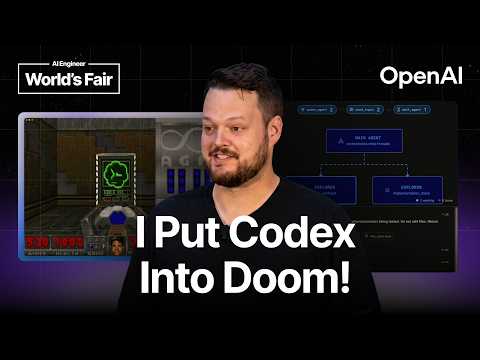

The Codex harness serves as an open-source framework for building agentic AI, utilizing the app server protocol for UI communication and the responses API for LLM inference. Efficient context construction remains critical, achieved through deferred tool loading and capped skill lists to manage token budgets and prevent model confusion. Agentic performance relies on specialized actions, including sub-agents for asynchronous tasks, persistent Node REPLs for browser interaction, and file system manipulation via diff-based patching. To mitigate approval fatigue, an auto-review sub-agent evaluates high-agency actions against risk taxonomies, while websocket-based communication reduces network overhead. Furthermore, automated goal-tracking and context compaction ensure long-running agents maintain operational efficiency and cost-effectiveness. These architectural choices provide a scalable blueprint for developers to implement robust, performant, and secure autonomous agents.
Sign in to continue reading, translating and more.
Open full episode in Podwise