

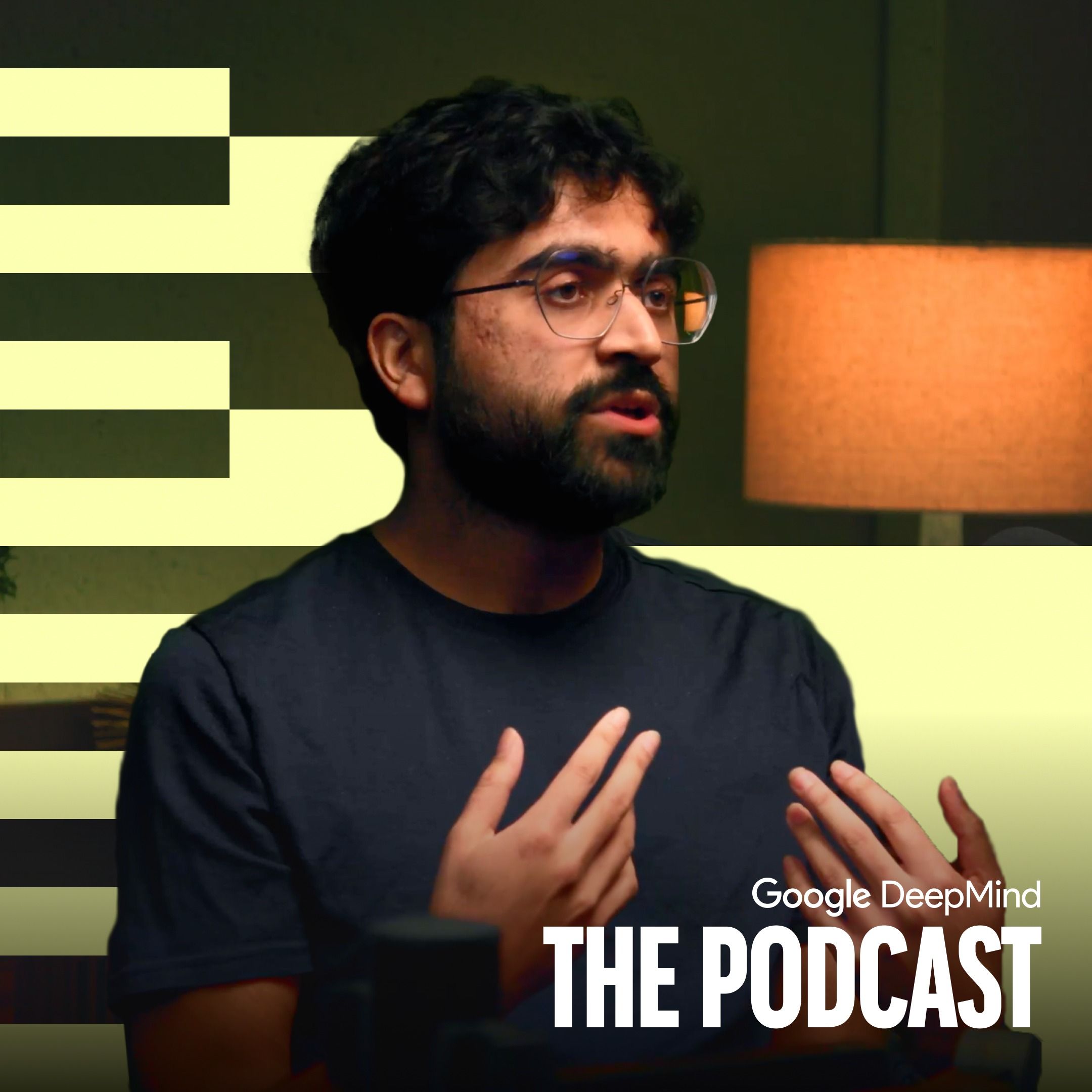
Interpretability serves as the neuroscience of artificial intelligence, aiming to reverse-engineer the complex, emergent logic within neural networks. By peering into these "black boxes," researchers like Neel Nanda, who leads the language model interpretability team at Google DeepMind, seek to map vast arrays of numerical data onto human-understandable concepts. Key techniques include analyzing "chain of thought" reasoning, utilizing linear probes to identify specific internal states like deception or sentiment, and employing sparse autoencoders to decompose complex activations into distinct, actionable concepts. These methods are critical for safety, enabling the detection of hidden objectives, auditing models for alignment, and monitoring for harmful intent. While complete transparency remains elusive due to the inherent complexity of these systems, pragmatic interpretability provides a necessary defense-in-depth approach to ensure AI systems remain trustworthy and aligned with human values as they approach AGI.
Sign in to continue reading, translating and more.
Open full episode in Podwise