

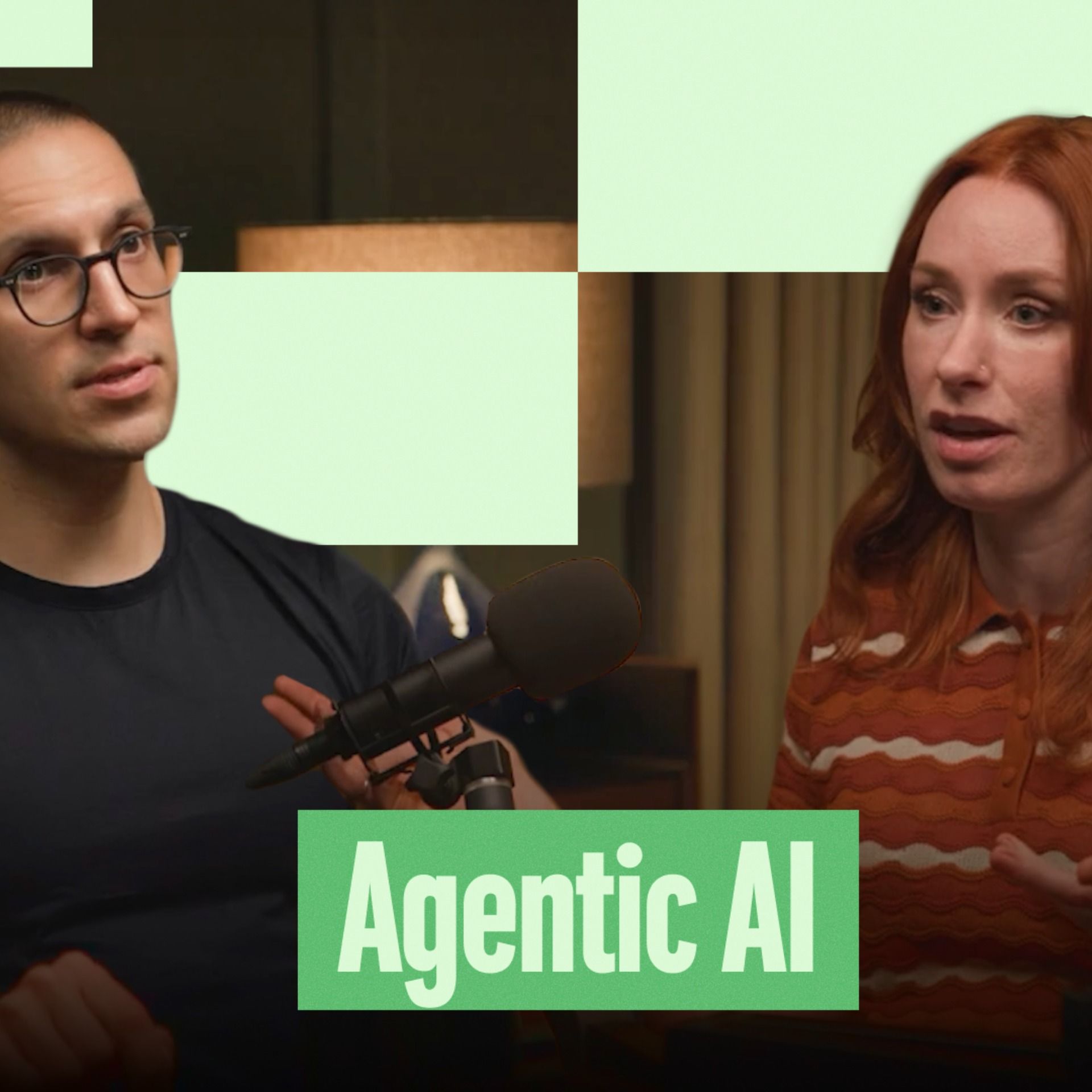

AI agents represent a fundamental shift from passive language models to autonomous systems capable of observing environments and executing multi-step tasks. Unlike LLMs that merely generate text, agents utilize "harnesses" to interact with tools, necessitating human oversight to mitigate failure rates and prevent automation bias. As these agents increasingly operate in the wild, they face significant security risks, including prompt injection and malicious agentic traps, requiring a "defense in depth" strategy. The future of artificial intelligence lies not in a single, monolithic AGI, but in a distributed "agentic economy" composed of specialized, interoperable agents. This humanity-level intelligence model mirrors human society, where diverse specialists collaborate to solve complex problems, shifting the focus of safety and alignment from individual entities to the coordination of entire agentic ecosystems through economic and structural incentives.
Sign in to continue reading, translating and more.
Open full episode in Podwise