

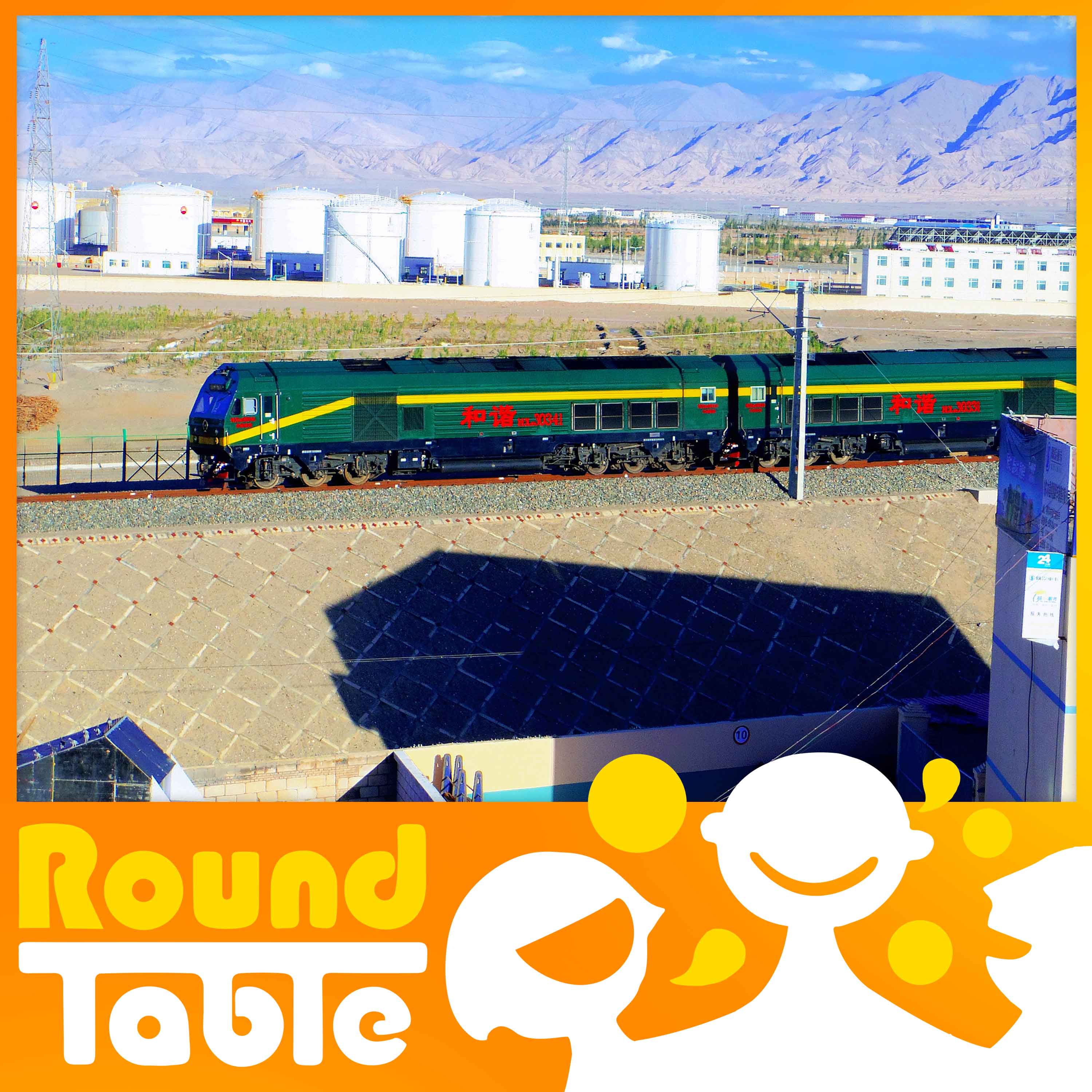

The Qinghai-Xizang railway marks two decades of operation, serving as a vital lifeline that has fundamentally reshaped life at 4,000 meters above sea level. Construction required overcoming extreme engineering hurdles, including stabilizing shifting permafrost with specialized heat pipes and managing oxygen-depleted environments. Beyond its technical achievements, the railway has facilitated significant economic growth, with the region’s GDP increasing tenfold since 2006. It has bridged the gap between the plateau and the rest of China, enabling better access to education, fresh produce, and tourism, while incorporating critical environmental safeguards like wildlife crossings for Tibetan antelopes. Firsthand accounts highlight the railway's role in fostering cultural exchange and providing new opportunities for local residents, transforming a once-isolated region into a more connected and accessible destination for both domestic and international travelers.
Sign in to continue reading, translating and more.
Open full episode in Podwise