

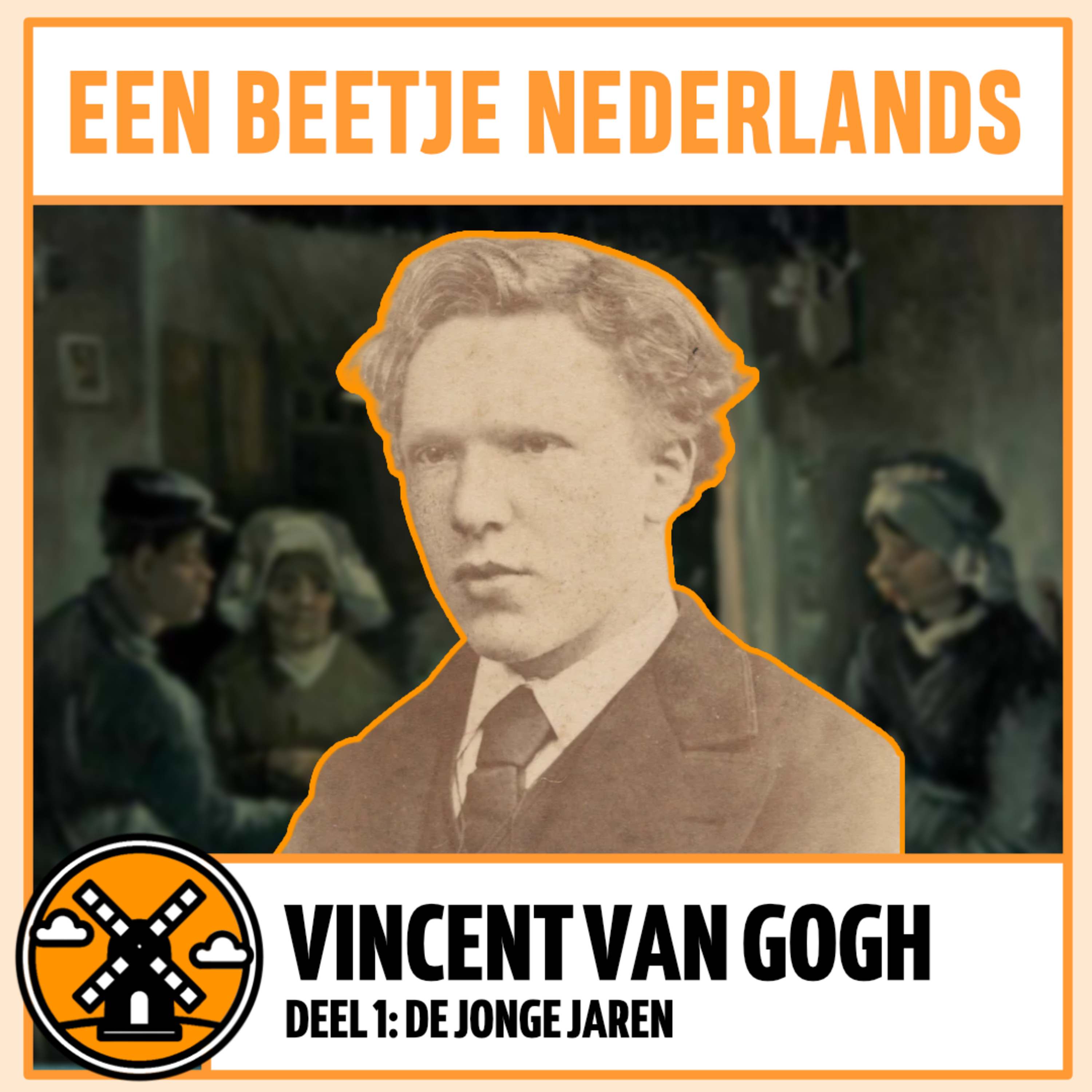

Vincent van Gogh’s path to becoming a world-renowned painter was defined by a turbulent first 27 years marked by professional failure and personal searching. Born in Zundert, he grew up in a religious household, deeply affected by the presence of his deceased older brother’s tombstone. Technological shifts of the 19th century, specifically the expansion of rail travel and the invention of the postage stamp, enabled his extensive travels and his lifelong, vital correspondence with his brother Theo. After struggling through various careers in art dealing, education, and theology, his time as a lay preacher in the impoverished Borinage mining region proved a turning point. There, his commitment to the poor and a renewed focus on sketching finally crystallized into the decision to pursue art professionally, supported by Theo’s financial and creative encouragement.
Sign in to continue reading, translating and more.
Open full episode in Podwise