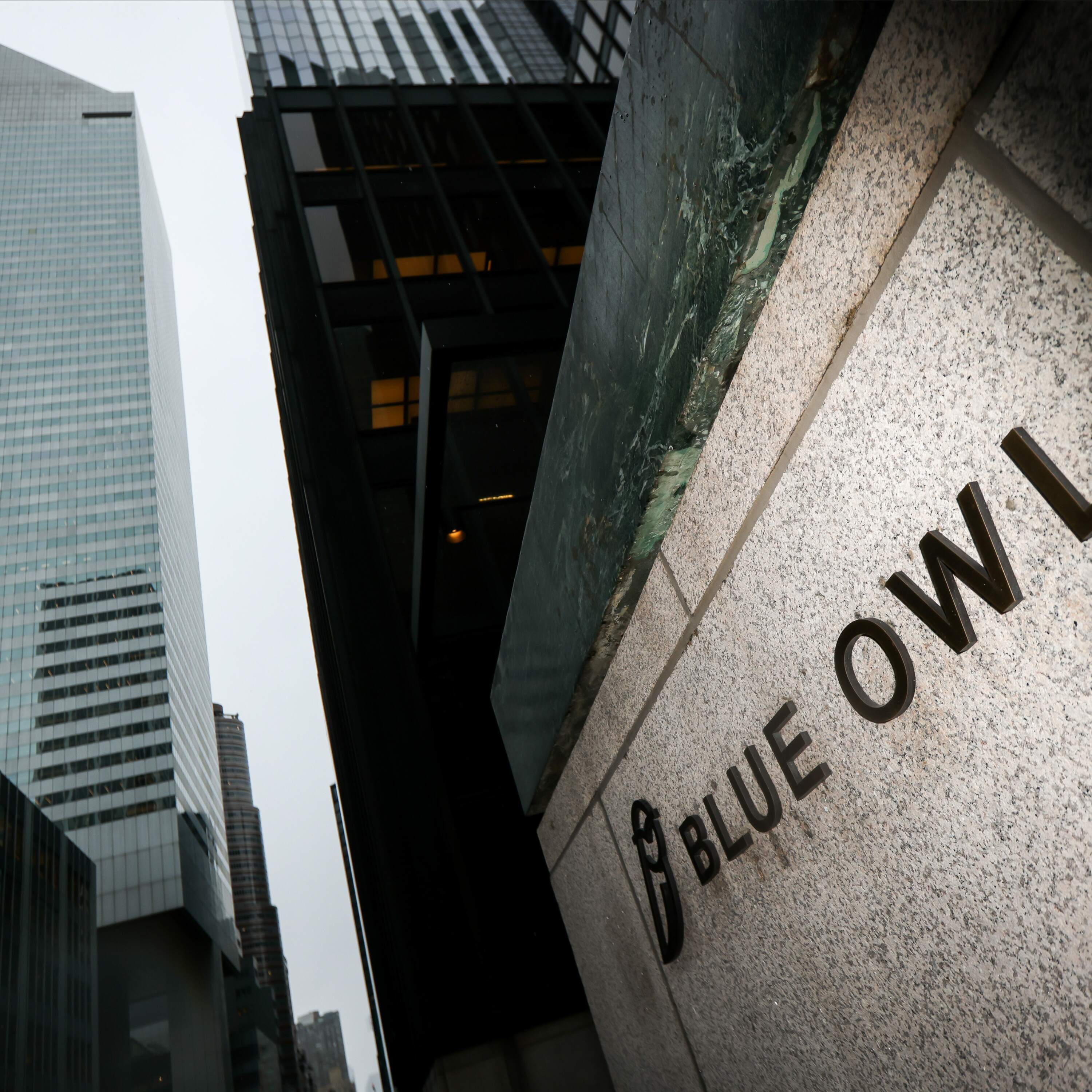
Private credit has evolved into a $3 trillion "black box" within the American economy, functioning as a shadow banking system that operates with significantly less regulation than traditional banks. Following the 2010 Dodd-Frank Act, financial activity shifted toward firms like Apollo and Blackstone, which pool capital from insurance companies and retail investors to provide flexible, high-interest loans to corporations. However, a recent surge in redemption requests—where investors like retiree Richard Cox attempt to claw back their funds—has forced some firms to limit withdrawals to 5% per quarter to maintain stability. This liquidity crunch, coupled with heavy exposure to the volatile AI sector and a lack of public disclosure, mirrors the systemic risks seen during the 2008 financial crisis. While economist Natasha Sarin notes that these jitters may reflect a standard credit cycle correction, the Trump administration’s proposal to integrate private credit into 401k plans heightens concerns regarding transparency and the potential for a broader economic contagion.
Sign in to continue reading, translating and more.
Continue