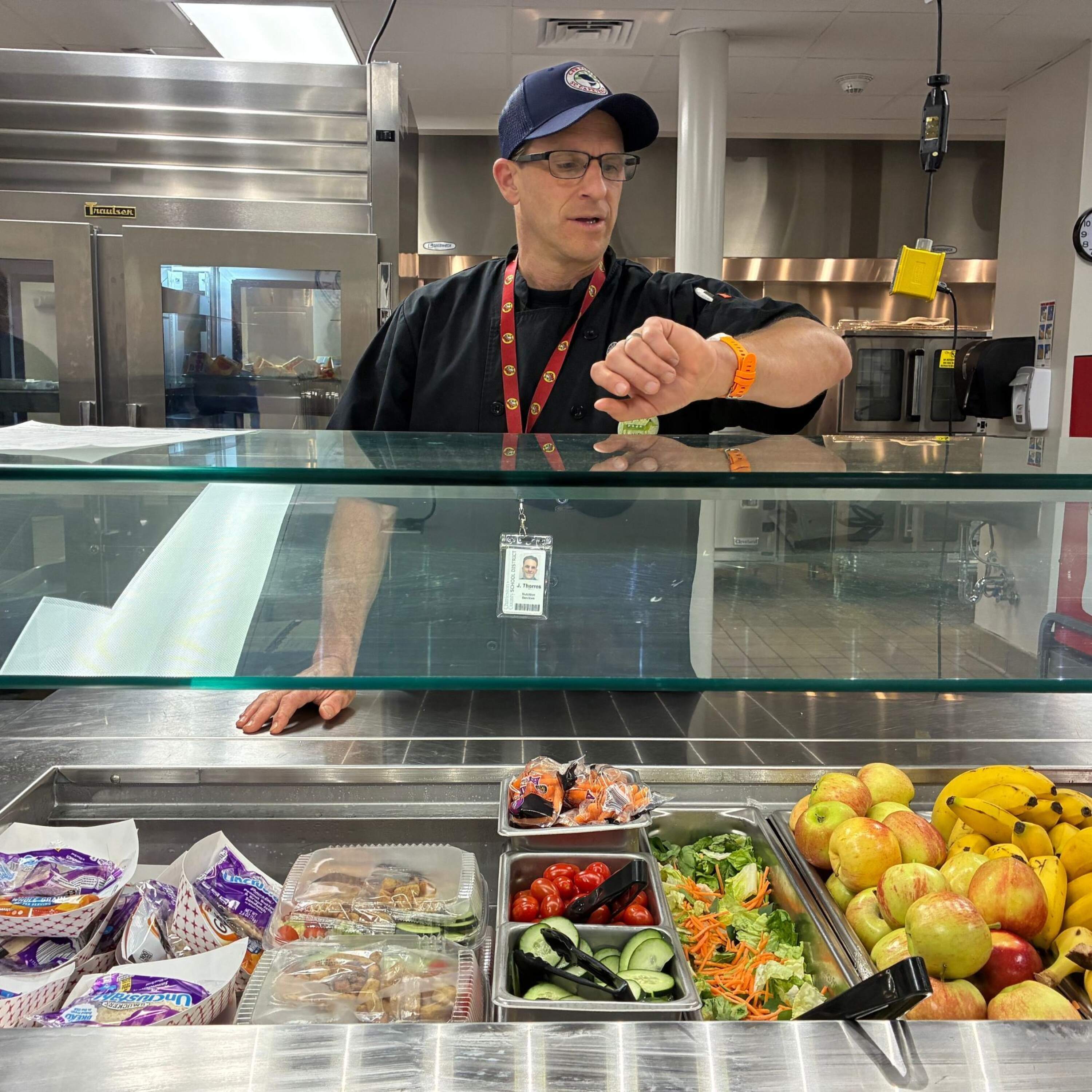
The U.S. school lunch system faces a potential overhaul as the Trump administration proposes a "Make America Healthy Again" agenda, emphasizing whole foods and scratch cooking over processed items. This shift follows previous updates from the Obama and Biden administrations that limited sodium and added sugars. In districts like Charleston County, South Carolina, nutrition directors manage tight budgets—averaging $2.15 per meal—by balancing expensive items like bone-in wings with cheaper staples to meet federal reimbursement requirements. While officials aim to eliminate "reheat and serve" models, the School Nutrition Association warns that many districts lack the staffing, equipment, and infrastructure necessary for full-scale scratch cooking. Despite these logistical hurdles, current school meals often rank as the healthiest options in the American diet due to existing strict dietary standards. Ultimately, the success of new mandates depends on balancing nutritional idealism with the practicalities of federal funding and student engagement.
Sign in to continue reading, translating and more.
Continue