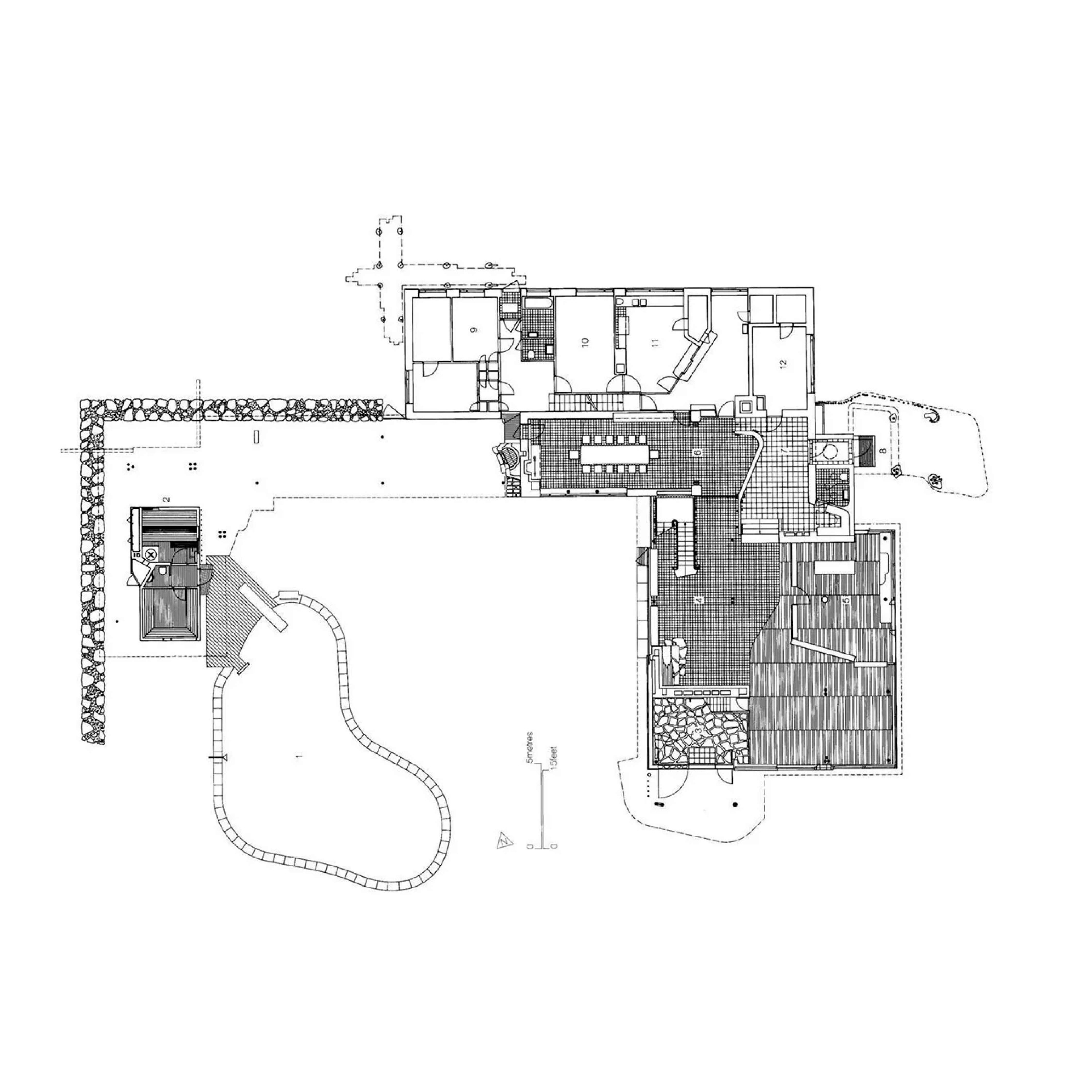
In the second part of Matthew Blunderfield's interview with architectural historian Kenneth Frampton, they delve into Frampton's personal experiences and influences, from his early aspirations of becoming a farmer to his regrets about not pursuing architecture more fully. Frampton reflects on key encounters with thinkers like Herbert Marcuse and Hannah Arendt, and significant architectural works such as Coringham and Villa Maria, which shaped his understanding of architecture's tactile and experiential essence. The discussion explores anti-capitalist architecture, the impact of media inundation, and the importance of the "microcosmos," emphasizing architecture's role in creating small, self-recognizing worlds. Frampton also shares a reading list for architecture students, highlighting writers focused on experience and theory.
Sign in to continue reading, translating and more.
Continue