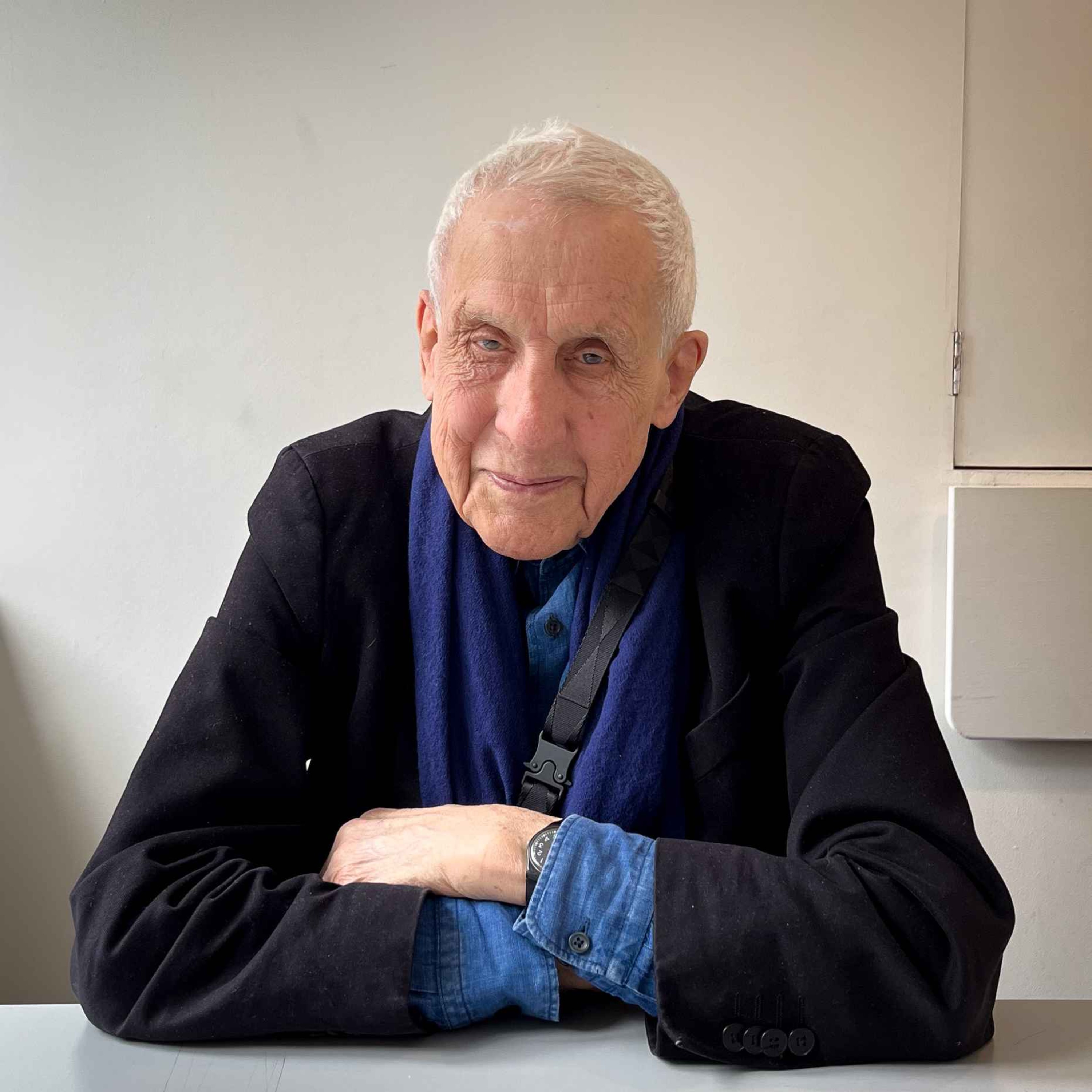
In this episode of Scaffold, Matthew Blunderfield interviews Kenneth Frampton, a celebrated architectural thinker, about his career and influences. Frampton discusses his political awakening upon arriving in the U.S. and how it shaped his architectural writing, incorporating ideas from Hannah Arendt, phenomenology, and Marxism. He addresses critical regionalism as resistance to commodification, connects phenomenology to political agency, and defends his operative criticism aimed at influencing architectural practice. Frampton critiques architectural education for prioritizing social justice rhetoric over construction and craft. He also reflects on legacy, continuity, and transforming reality in architecture, prompted by becoming a father later in life and recently a grandfather. The conversation explores the relationship between architecture, politics, form, and materiality, as well as the commodification of architecture and potential resistance strategies.
Sign in to continue reading, translating and more.
Continue