


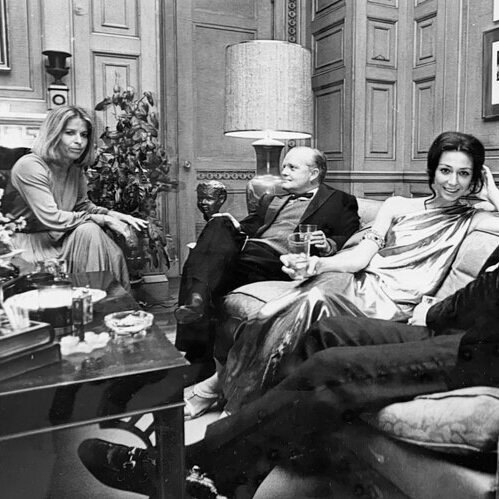
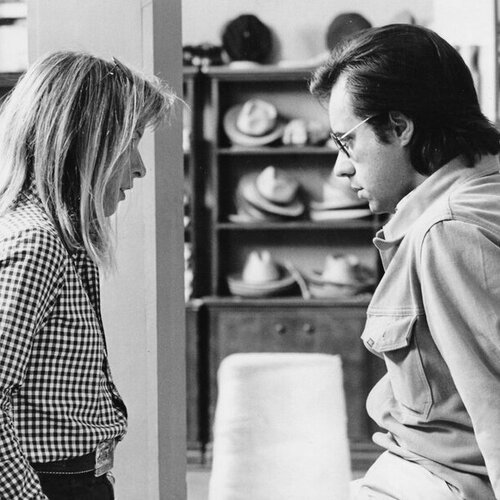
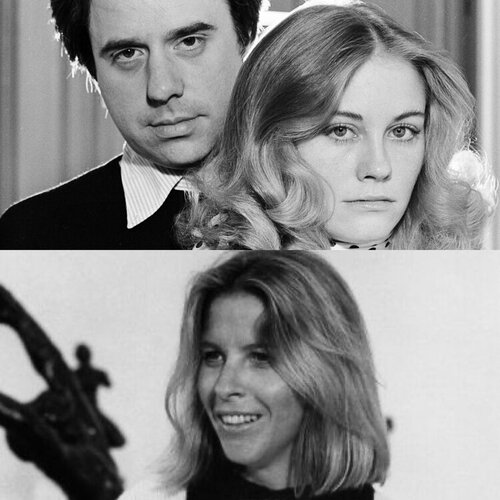
Pretty Baby and a Playmate Murder (Polly Platt, The Invisible Woman, Episode 6)
30 Jun 2020
56m
You Must Remember This is a storytelling podcast exploring the secret and/or forgotten histories of Hollywood’s first century. It’s the brainchild and passion project of Karina Longworth (founder of Cinematical.com, former film critic for LA Weekly), who writes, narrates, records and edits each episode. It is a heavily-researched work of creative nonfiction: navigating through conflicting reports, mythology, and institutionalized spin, Karina tries to sort out what really happened behind the films, stars and scandals of the 20th century.





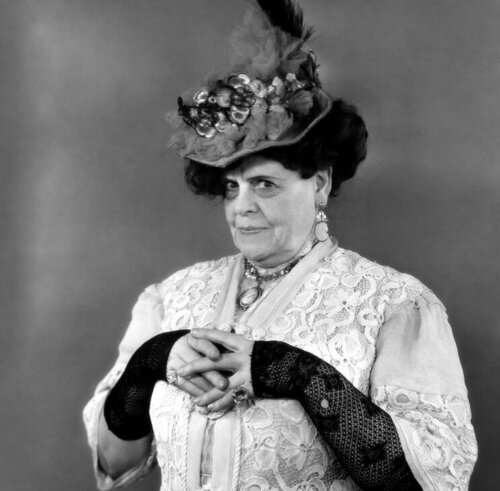


Hollywood’s rigid beauty standards in the 1920s transformed actresses into commodities, where any deviation from the "streamline" ideal invited professional ruin. Silent film star Molly O'Day’s career trajectory illustrates this era’s cruelty, as studios enforced "facial and physical disfigurement" clauses to police he...
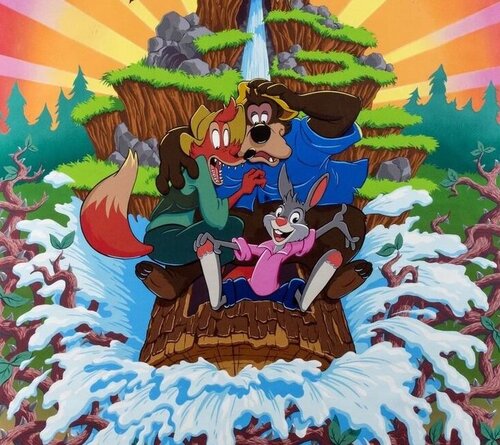
Disney’s strategic management of the controversial film Song of the South during the 1980s reflects a calculated effort to sanitize problematic intellectual property for a modern audience. By leveraging the film’s 1980 and 1986 re-releases within the politically charged climate of Reagan-era America, the studio capital...
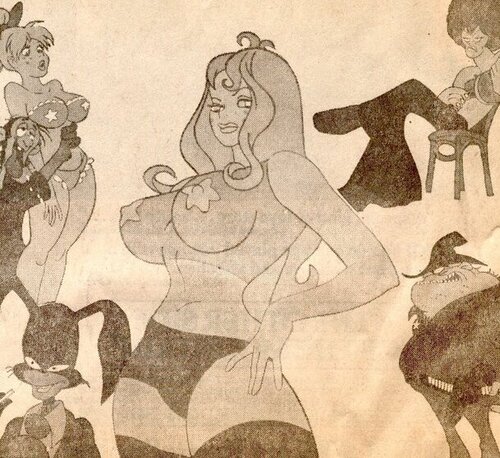
Song of the South achieved unexpected commercial success in the 1970s by functioning as a nostalgic retreat for white audiences unsettled by the civil rights movement and the rise of black political consciousness. This resurgence occurred alongside the emergence of Blaxploitation cinema, which Hollywood utilized to pro...

Disney’s production of Song of the South in the mid-1940s highlights the inherent limitations of white allies within a segregated Hollywood system. To navigate the controversy surrounding the film’s depiction of African Americans, Walt Disney hired Maurice Rapf, an avowed communist, to balance the screenplay written by...
Follow this podcast in Podwise
Sign in to get AI summaries, transcripts and mind maps for any episode, including new ones.