Podcast cover
NPR · Business

The Indicator from Planet Money

A bite-sized show about big ideas. From the people who make Planet Money , The Indicator helps you make sense of what's happening in today's economy. It's a quick hit of insight into money, work, and business. Monday through Friday, in 10 minutes or less. Sign up for our newsletter . Support public media by joining NPR+ at plus.npr.org. You’ll get perks for over 25 NPR podcasts, including bonus episodes for Planet Money and sponsor-free listening for The Indicator.

Episodes

Episode cover

Are job hoppers better at their jobs?

04 Sep 2026
9m
AI processed

Job hopping, often perceived as a professional liability, serves as a mechanism for developing critical adaptability in the modern labor market. Research involving hedge fund managers reveals that individuals who frequently change firms experience shorter adjustment periods and recover productivity levels faster than t...
Episode cover

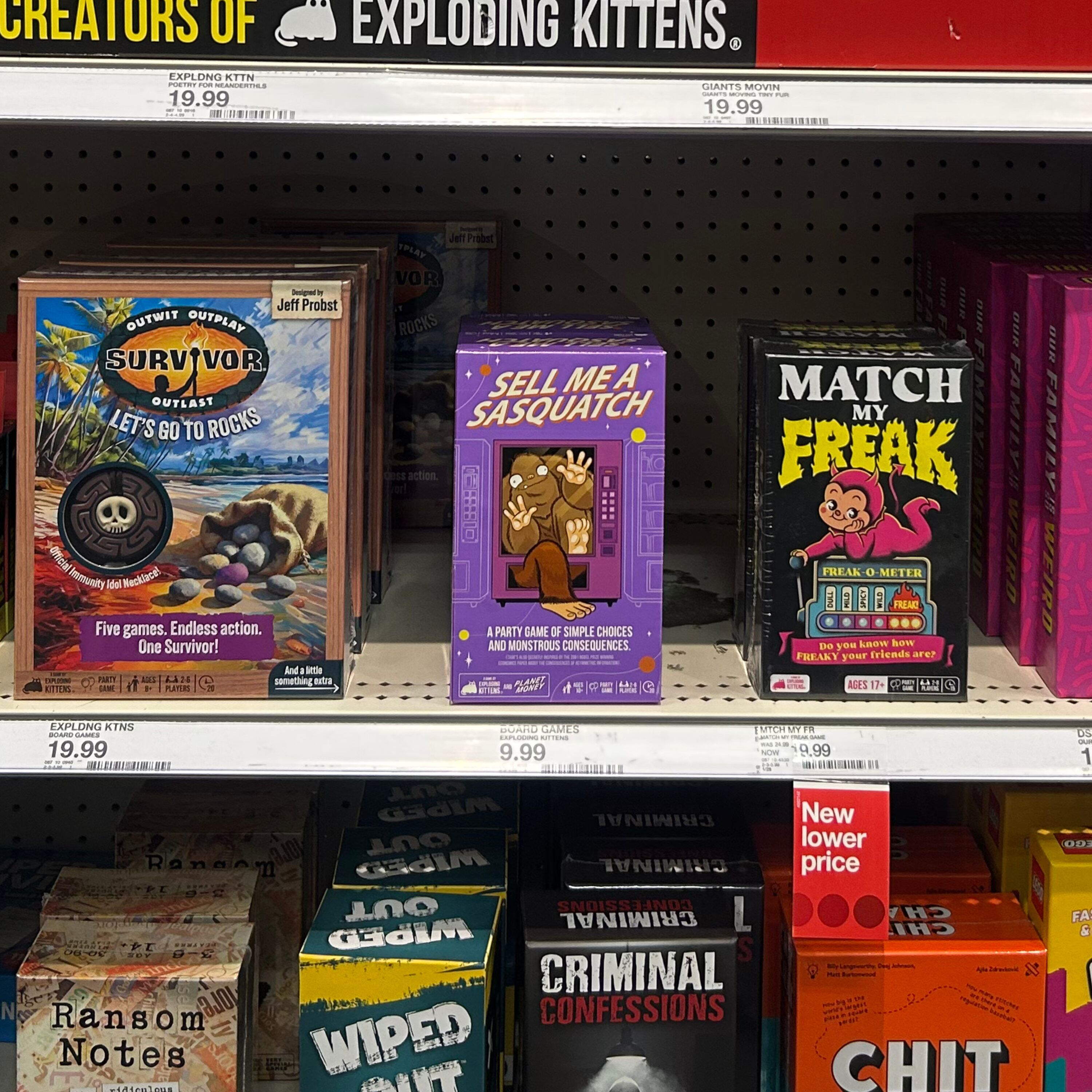
Does Planet Money’s game pass the shelf test? We go undercover to find out

03 Sep 2026
9m
AI processed

The process of launching a new product in big-box retail relies on strategic shelf testing to capture consumer attention. By placing prototypes in physical stores, companies evaluate how their packaging performs in real-world environments, such as being shoved behind other items or placed on lower shelves. Key metrics ...

Episode cover

For a lot of Gen Z, gambling is investing

02 Sep 2026
8m
AI processed

Sports betting has increasingly blurred the lines between high-risk gambling and financial investing for Gen Z, with over half of the demographic redirecting funds intended for savings toward sportsbooks. This shift is driven by aggressive marketing, overconfidence in sports knowledge, and a perceived lack of tradition...

Episode cover

A Treasury showdown with the bond market

01 Sep 2026
9m
AI processed

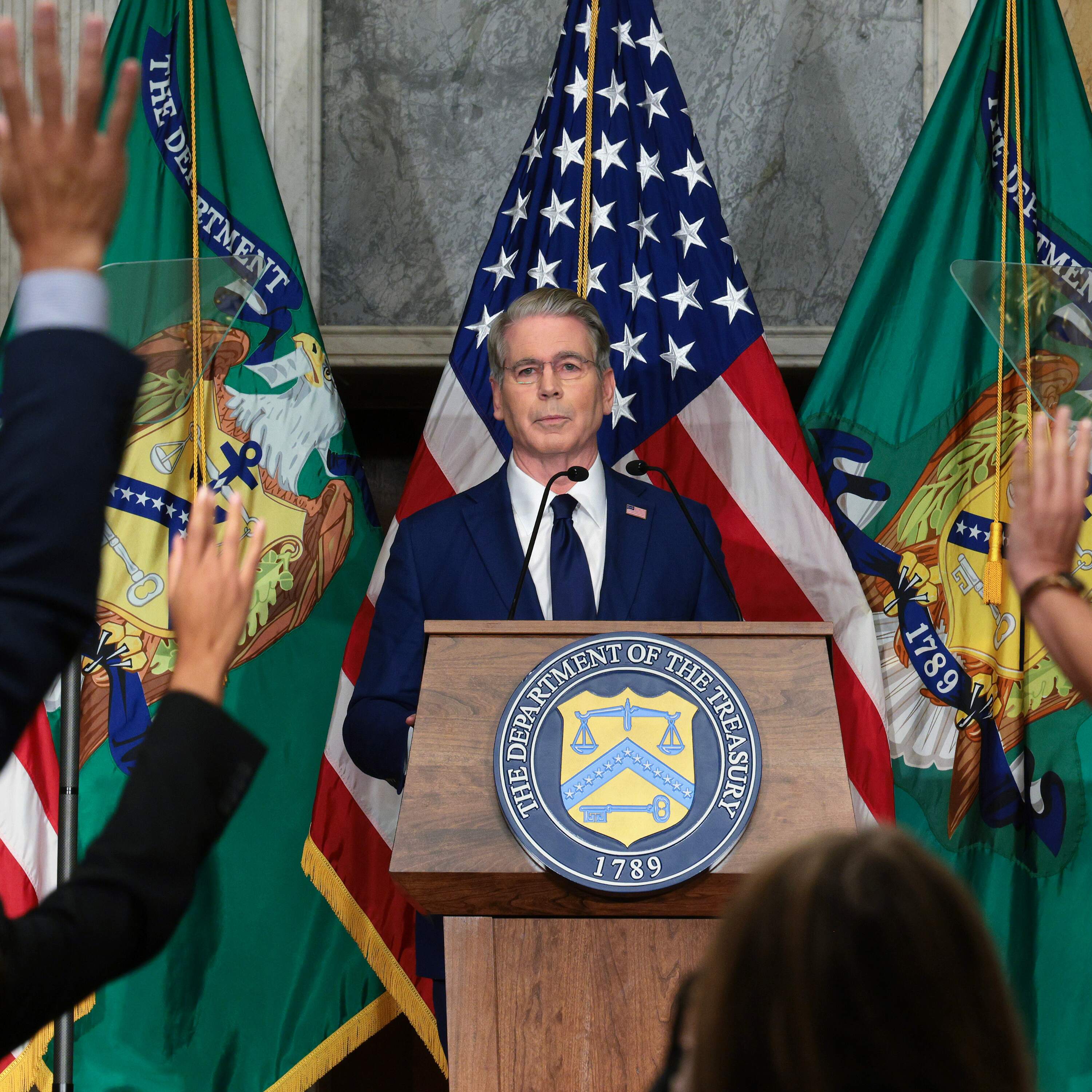
Treasury Secretary Scott Bessent faces significant backlash from financial markets regarding a plan to double the Treasury’s buyback program for long-term government bonds. While the Treasury frames this initiative as a liquidity-enhancing measure, investors and analysts suspect a political motive to artificially lower...

Episode cover

How ICE arrests are creating 'economies of fear'

31 Aug 2026
7m
AI processed

Aggressive immigration enforcement by Immigration and Customs Enforcement (ICE) is creating a persistent "economy of fear" that negatively impacts local commerce and long-term investment. Research conducted by University of Pennsylvania professor Zeke Hernandez reveals that when ICE establishes a roving presence in a c...

Episode cover

The teacher pay penalty, Meta's major settlement, and a footwear flop

28 Aug 2026
9m
AI processed

Public school teachers currently earn 74.8 cents for every dollar made by comparable college graduates, a record pay disparity that complicates recruitment and retention efforts. Meanwhile, Meta has agreed to a landmark settlement involving 47 states, requiring the company to implement stricter age verification and def...

Episode cover

Coyote vs. Acme finally gets its big break

27 Aug 2026
9m
AI processed

The turbulent production and release journey of the film Coyote vs. Acme highlights the volatile intersection of creative ambition and corporate financial strategy in Hollywood. After Warner Bros. Discovery initially shelved the completed project for tax write-down purposes—a tactic previously applied to films like Bat...

Episode cover

What Mark Cuban REALLY thinks of Medicare for All

26 Aug 2026
9m
AI processed

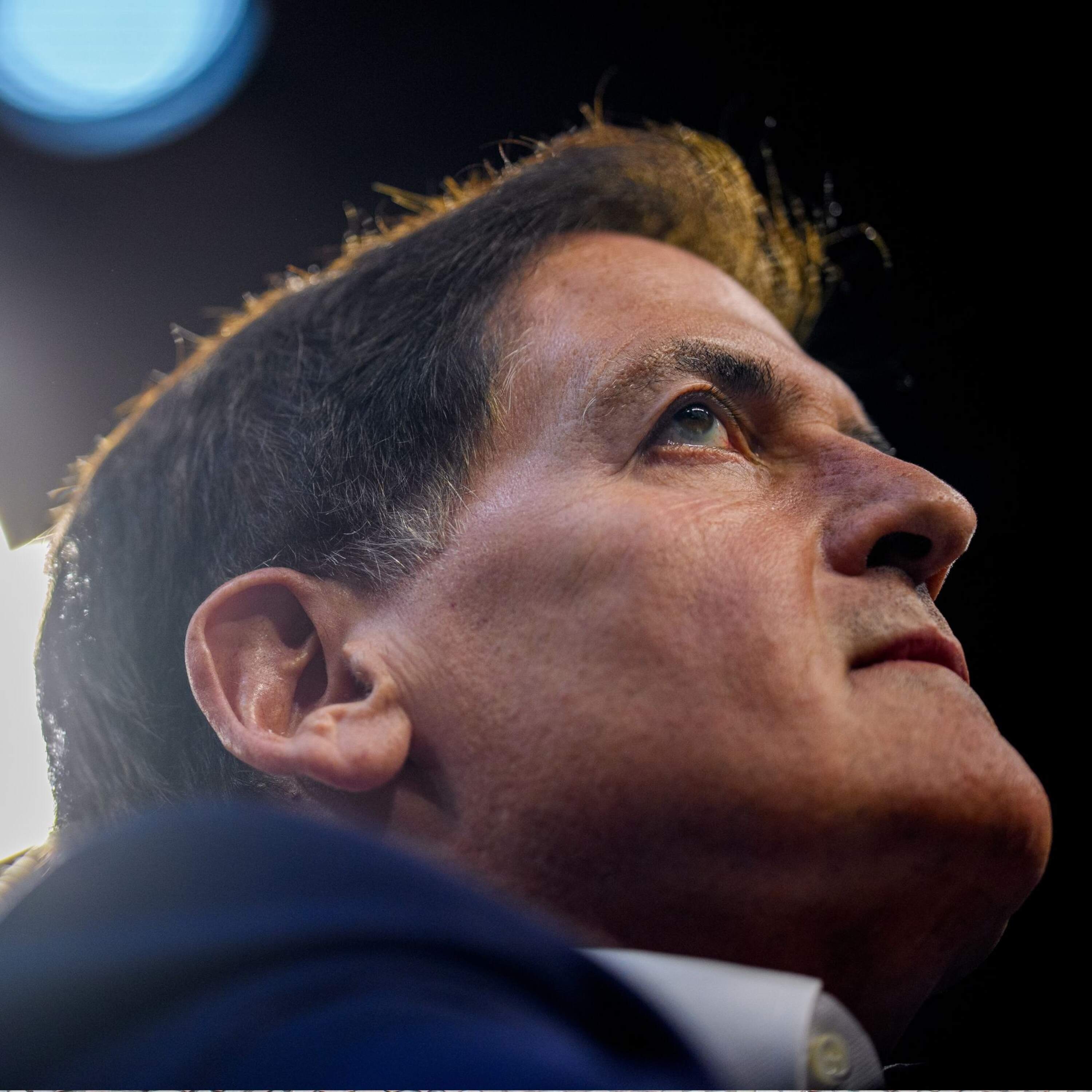
Medicare for All faces intense scrutiny regarding its economic viability and the accuracy of cost-saving projections. Critics, including entrepreneur Mark Cuban, challenge the assumption that a single-payer system would drastically reduce fraud, noting that reliance on outdated international data—such as 2003 Taiwanese...

Episode cover

Medicare for All is not Medicare for All

25 Aug 2026
9m
AI processed

Medicare for All represents a fundamental restructuring of the American healthcare system rather than a simple expansion of existing federal programs. While proponents like epidemiologist and political candidate Abdul El-Sayed argue that nationalizing insurance would eliminate burdensome premiums, co-pays, and employme...

Episode cover

Could politics put your city's funding at risk?

24 Aug 2026
8m
AI processed

Proposed revisions by the Office of Management and Budget threaten to fundamentally alter federal grant-making by allowing political appointees to terminate funding mid-project based on shifting agency priorities. This shift away from established, stable funding models creates significant uncertainty for local governme...

Episode cover

EV sales slow, US Treasury yields grow, 'Niu Lai' has impressive box office mojo

21 Aug 2026
9m
AI processed

North American electric vehicle sales have plummeted 27% year-over-year, prompting manufacturers to pivot battery production toward grid-scale storage to meet the surging power demands of data centers. Simultaneously, the U.S. Treasury bond market faces significant pressure, with 30-year yields reaching 5.3%—a two-deca...

Episode cover

Is bankruptcy really all that bad?

20 Aug 2026
9m
AI processed

Bankruptcy functions as a vital legal mechanism for debt relief, yet widespread misconceptions often frame it as a personal failure or a permanent financial end. Contrary to the common association with failing corporations, the vast majority of filings are personal, serving as a necessary reset for individuals facing u...

Episode cover

Have a bad manager? Science explains why.

19 Aug 2026
9m
AI processed

Identifying effective managers requires moving beyond traditional hiring practices like interviews and promoting top individual contributors, which often rely on bias and overconfidence. Labor economist David Deming demonstrates that individuals who aggressively seek leadership roles frequently overestimate their abili...

Episode cover

Trump versus Capital One

18 Aug 2026
8m
AI processed

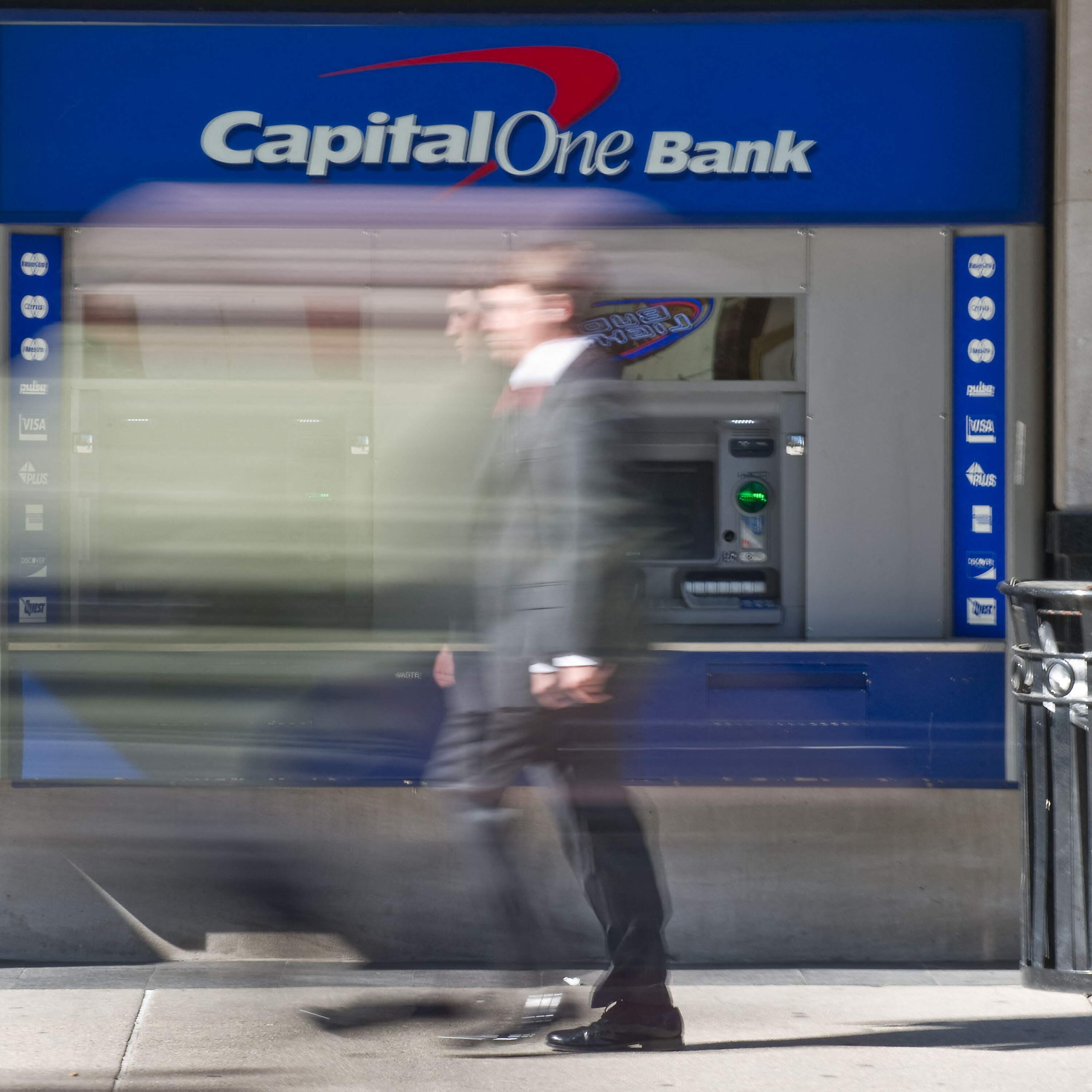
Banks frequently terminate customer accounts through Anti-Money Laundering (AML) departments, which monitor transactions for suspicious activity like fraud or illicit financing. These departments often close accounts without providing specific justifications to avoid compromising ongoing investigations. Beyond financia...

Episode cover

Did you know companies can vote in Delaware?

17 Aug 2026
9m
AI processed

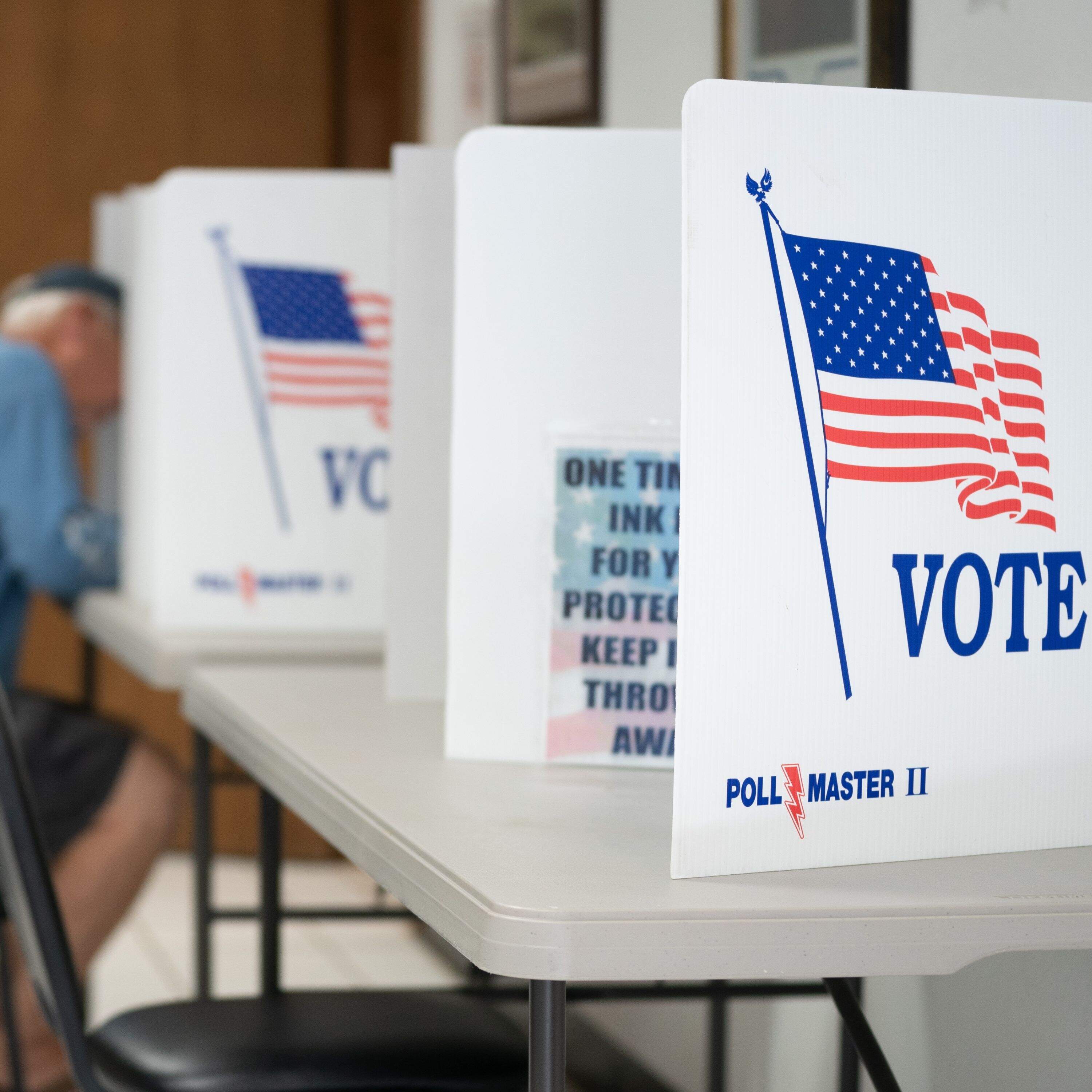
Fenwick Island, Delaware, faces a legal challenge over its unique policy allowing non-human entities, including trusts and corporations, to vote in local elections. Mayor Natalie Magdeburger defends the practice as a fair extension of representation for tax-paying entities directly affected by local ordinances, such as...

Episode cover

Retiree benefits bump, credit repayment slump, and a dating app in the dumps

14 Aug 2026
9m
AI processed

The July inflation data shows a 3.4% increase in the CPI-W, a specific index used to calculate Social Security cost-of-living adjustments, which may lead to the largest benefit bump in four years. Simultaneously, the financial health of consumers faces pressure as 12.8% of credit card debt is now seriously delinquent, ...

Episode cover

C is for C-shaped economy

13 Aug 2026
8m
AI processed

The U.S. economy is frequently described through simplistic alphabetical metaphors like "K-shaped" or "C-shaped" to characterize diverging or converging financial outcomes. While the "K-shaped" model gained prominence during the pandemic to illustrate widening inequality, recent claims suggest a shift toward a "C-shape...

Episode cover

Consumers are mad as hell and aren't gonna take it anymore

12 Aug 2026
9m
AI processed

Consumer rage has reached record highs, with two-thirds of Americans reporting significant frustration over product or service issues. This surge stems from a combination of increasingly complex, tech-heavy products that are difficult to repair, a shift in spending toward subjective service-based industries, and a corp...

Episode cover

Borrowing money to invest! What could go wrong?

11 Aug 2026
9m
AI processed

Margin trading, which allows investors to borrow money to purchase stocks, has reached record levels in the U.S. exceeding $1.5 trillion. While leverage can amplify gains, it creates significant instability during market downturns, forcing investors to either inject more capital or liquidate holdings to cover loans. Re...

Episode cover

Why is Trump paying to stop wind farms?

10 Aug 2026
9m
AI processed

The Trump administration is actively paying energy companies billions of dollars to abandon offshore wind projects, a strategy that effectively subsidizes scarcity to halt renewable energy development. By offering $2.7 billion to buy out nine major offshore wind leases, the administration aims to bypass legal obstacles...

Page 2

Follow this podcast in Podwise

Sign in to get AI summaries, transcripts and mind maps for any episode, including new ones.

Open in Podwise