

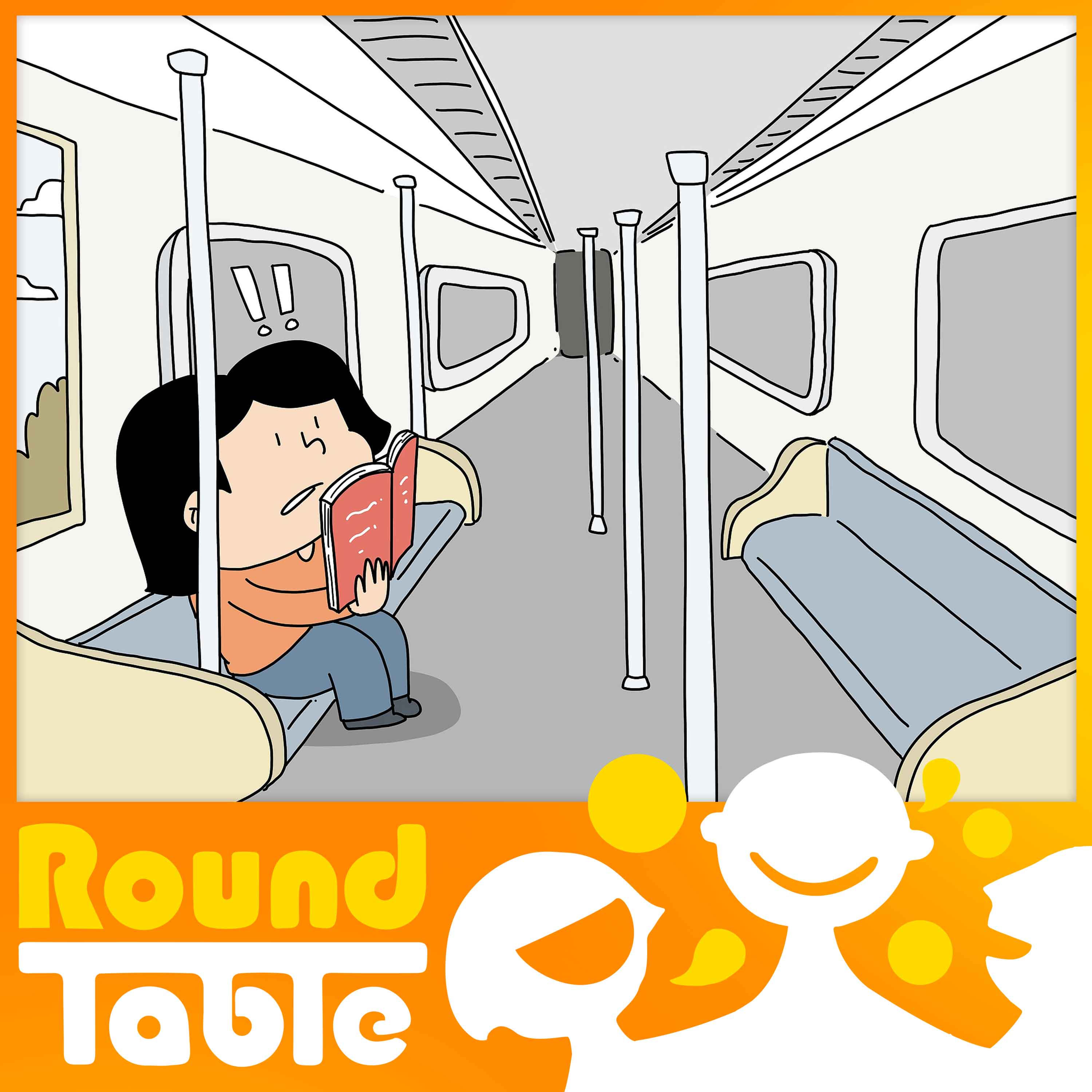

Guangzhou Metro’s enforcement of a 270-minute time limit for passengers has sparked a debate over the evolving role of public transit infrastructure. While subway operators maintain that strict time limits ensure system efficiency and prevent overcrowding, the integration of non-transit amenities like reading spaces and retail shops complicates this traditional function. Critics argue that as stations transform into multi-purpose community hubs, rigid time-based fines fail to account for the diverse ways citizens utilize these spaces. The discussion highlights a tension between the original design of subways as pure transit conduits and the modern push for livable, 15-minute urban communities. Effective management requires clearer communication of existing rules and potentially relocating amenities outside of paid transit zones to better accommodate passengers seeking comfort and utility beyond simple transportation.
Sign in to continue reading, translating and more.
Open full episode in Podwise