

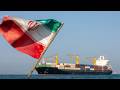

The Strait of Hormuz faces severe operational disruptions due to ongoing regional conflict, with daily vessel traffic plummeting from 135 to approximately 12. International Maritime Organization Secretary General Arsenio Dominguez highlights the extreme dangers, including over 120 vessel attacks and 24 seafarer fatalities since the conflict's inception. The proliferation of "ghost" shuttle tankers and unidentified underwater hazards further complicates maritime security. These disruptions trigger significant global economic consequences, notably driving jet and shipping fuel costs up by 80% and 70% respectively, while threatening food security through fertilizer supply chain bottlenecks. Although the shipping industry is building resilience by developing alternative routes and multimodal transport, the redirection of naval assets has simultaneously fueled a resurgence in Somali piracy. Addressing these challenges requires international cooperation to resolve the underlying geopolitical tensions that currently leverage global shipping as a strategic tool.
Sign in to continue reading, translating and more.
Open full episode in Podwise