

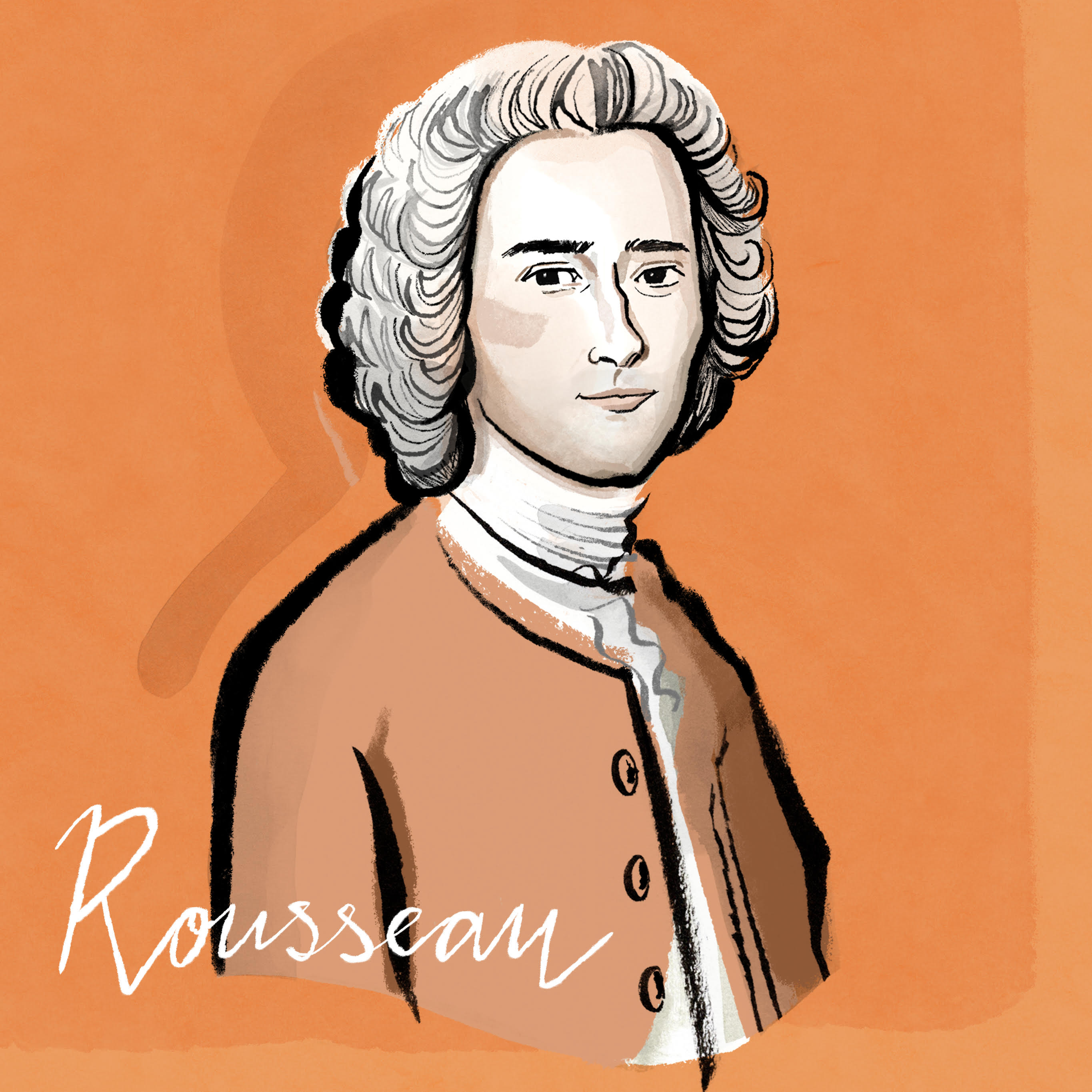

Jean-Jacques Rousseau’s philosophy challenges the Enlightenment belief that scientific and artistic progress inherently fosters a more virtuous society. By framing the "noble savage" as a state of natural goodness, Rousseau argues that the development of complex social structures, private property, and status-seeking behaviors corrupts human morality. While his critiques of societal artifice and overthinking resonate as a counterweight to thinkers like Voltaire, his personal life—marked by the abandonment of his five children—reveals a profound hypocrisy between his public ideals and private conduct. Ultimately, Rousseau’s work serves as a necessary, albeit polarizing, provocation against the assumption that technological and intellectual advancement guarantees human flourishing, even as his historical scholarship remains shaky and his views on gender and social hierarchy remain deeply regressive.
Sign in to continue reading, translating and more.
Open full episode in Podwise