

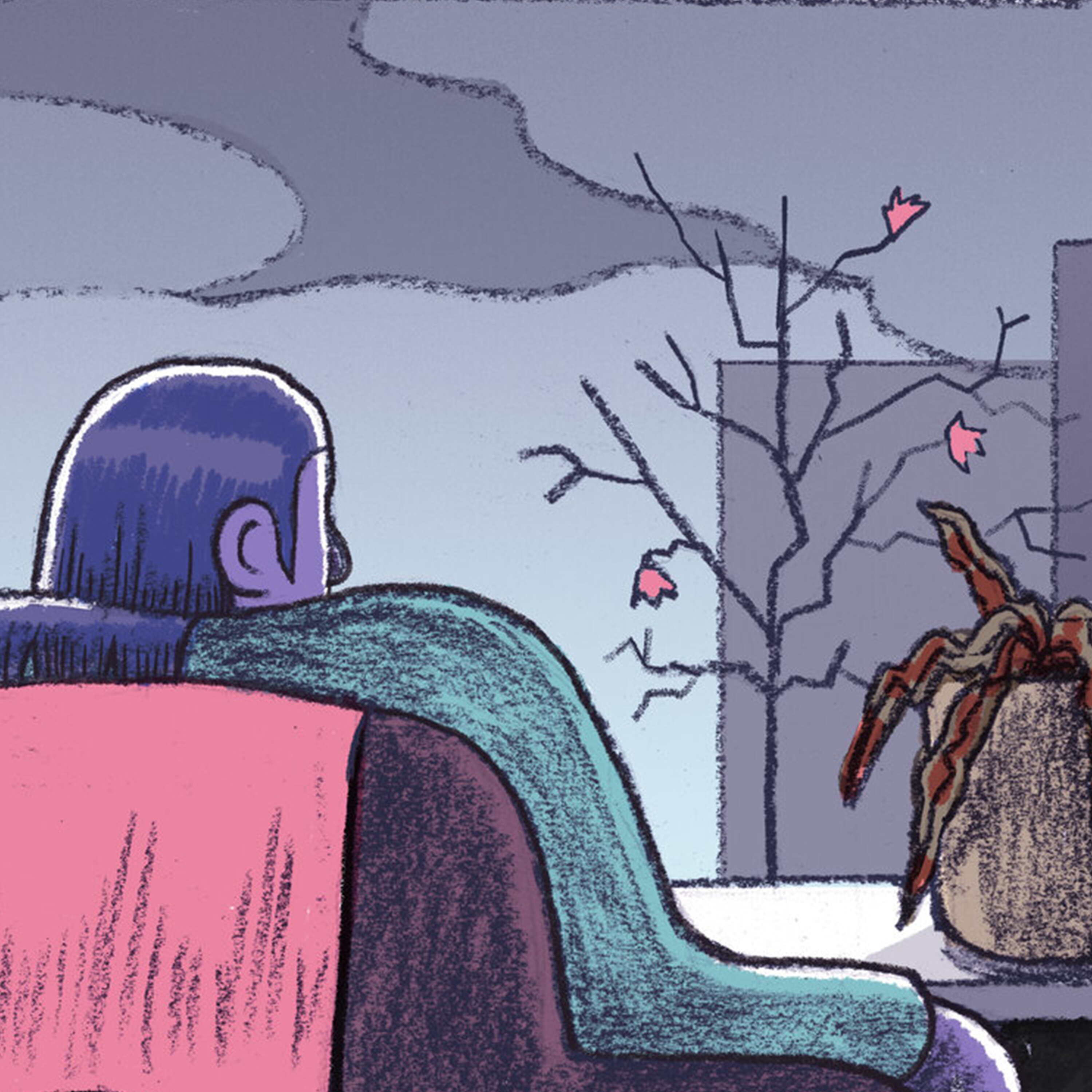

Seasonal Affective Disorder (SAD) manifests as a recurring, winter-specific depression characterized by lethargy, carbohydrate cravings, and social withdrawal. Dr. Norman Rosenthal, a clinical professor of psychiatry, identifies the condition’s primary drivers as genetic vulnerability, stress, and a physiological sensitivity to reduced light levels. Because light acts as a universal synchronizer for internal circadian rhythms, utilizing 10,000-lux light therapy lamps in the morning can significantly alleviate symptoms. Beyond light exposure, maintaining consistent meal times—specifically avoiding food three hours before sleep—and engaging in regular physical activity help re-align internal clocks with the environment. Recognizing the cyclical nature of these symptoms is critical for management, as proactive lifestyle adjustments and stress-reduction techniques like meditation can often mitigate the disorder's impact, preventing the downward spiral of seasonal depression.
Sign in to continue reading, translating and more.
Open full episode in Podwise