

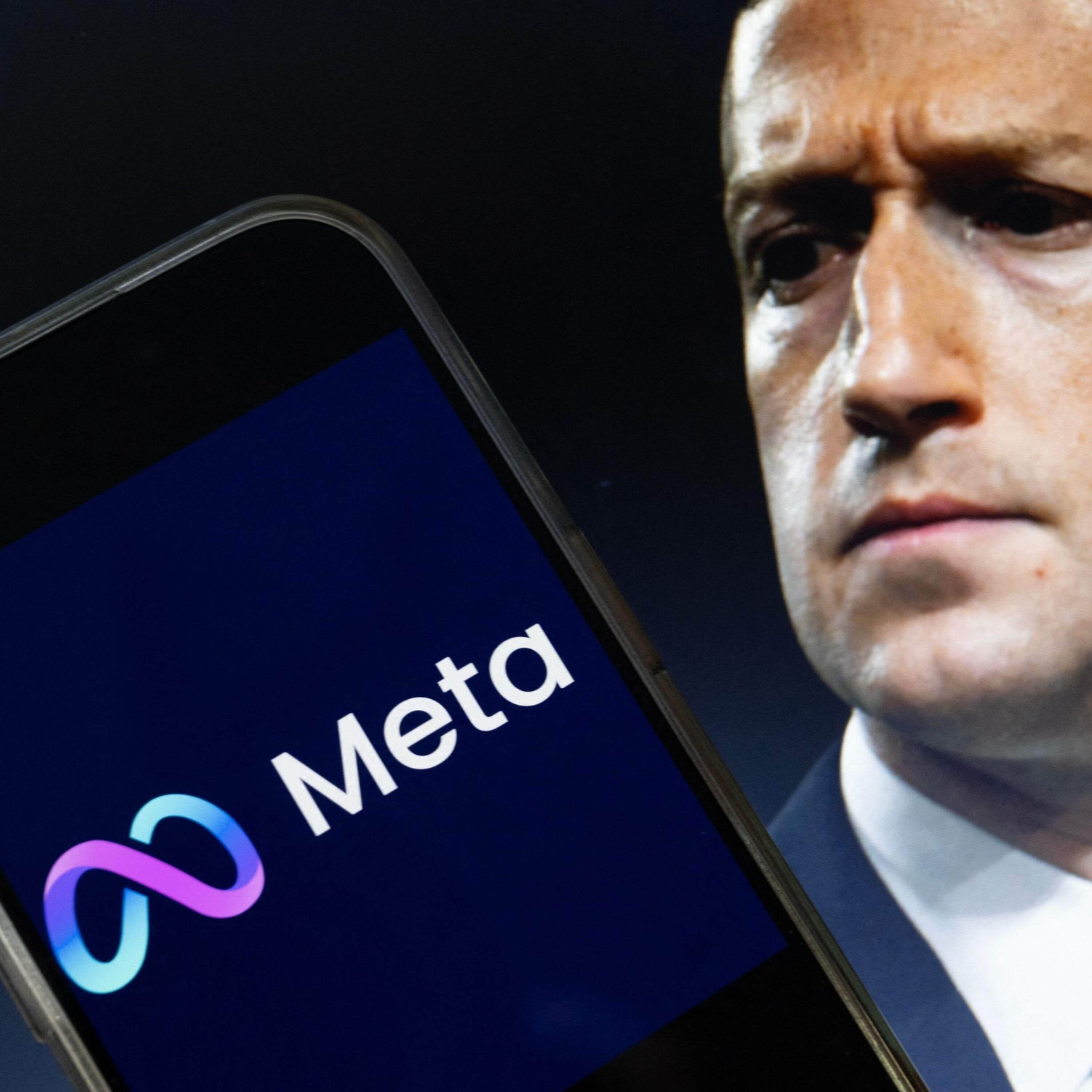

Meta’s new AI agent, Muse, represents a strategic shift toward capturing consumer purchase intent through automated task management. By integrating AI into daily activities like job hunting or shopping, Meta aims to secure its advertising dominance and create new revenue streams through referral fees and potential subscriptions. While the tool offers significant utility, it faces intense scrutiny regarding security and privacy. Cybersecurity researchers have identified critical vulnerabilities, challenging Meta’s claims of secure design and highlighting the risks of granting AI agents access to sensitive personal data. As the industry transitions from an intelligence-based race to an application-focused competition, the success of these agents depends on balancing user trust with functional utility. Users are increasingly cautious, setting boundaries on information sharing and treating these systems as tools rather than companions to mitigate potential privacy and security trade-offs.
Sign in to continue reading, translating and more.
Open full episode in Podwise