

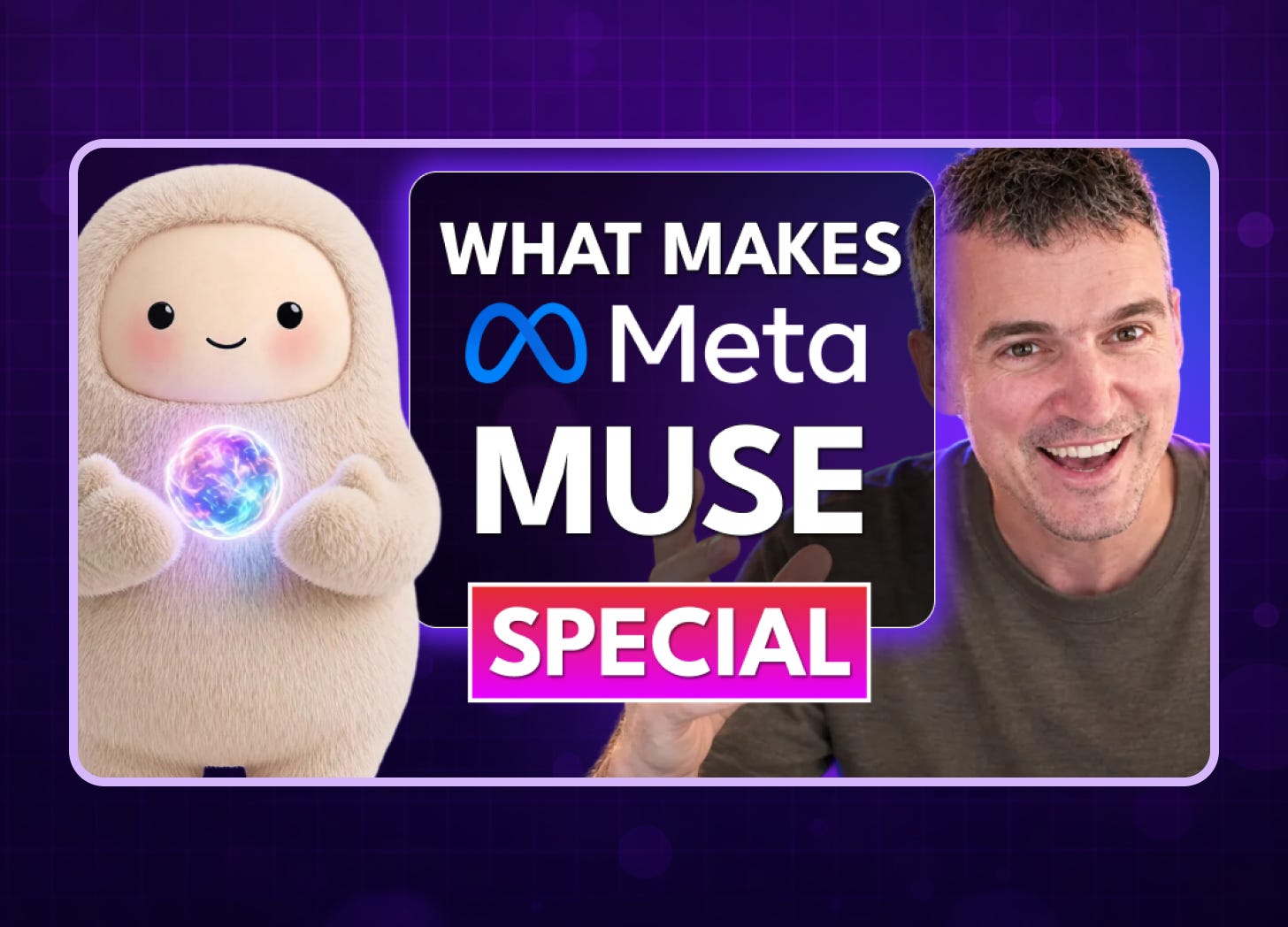
How Meta designed Muse: an AI agent people actually want to talk to | Alex Cornell (Design Director)
How I AI (private feed for [email protected])
Designing consumer-facing AI agents requires shifting from traditional software-centric interfaces to conversational, entity-based models that prioritize accessibility and clarity. By utilizing messaging patterns—such as proactive status updates and visual feedback—designers can effectively mitigate the perceived pain of latency. Progressive disclosure serves as a critical design primitive, allowing power users to access underlying technical logs while keeping the core experience intuitive for general users. Personalized generative UI, including custom avatars and context-aware dashboards, further bridges the gap between raw data and meaningful utility. Whether consolidating scattered digital footprints like old blog posts or tracking complex hobby metrics like golf swings and chess games, these agents transform monolithic data into personalized, actionable narratives. This approach emphasizes human-like interaction, ensuring that AI remains a helpful, responsive partner rather than a complex, inaccessible tool.
Sign in to continue reading, translating and more.
Open full episode in Podwise