

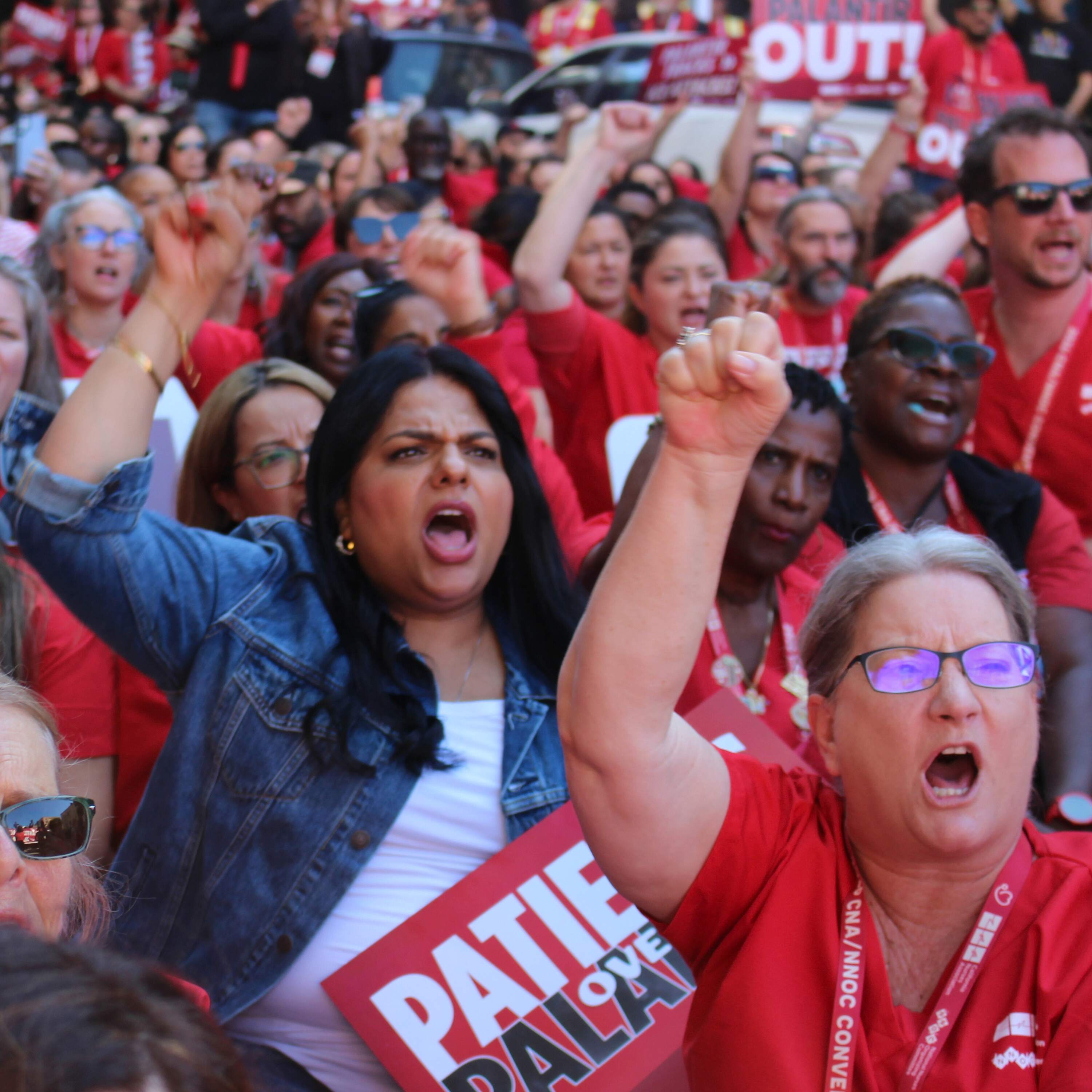

Heightened immigration enforcement in the United States is creating significant physical and economic burdens on the healthcare system. The removal of protections for "sensitive areas" like hospitals has triggered widespread fear, causing both patients and staff to avoid medical facilities. Consequently, hospitals face severe staffing shortages as employees miss work, while patients delay routine care until conditions become catastrophic, leading to more expensive emergency room interventions. Public health experts note that this cycle of fear disproportionately impacts immigrant communities, resulting in measurable long-term health consequences, such as lower birth weights and reduced access to preventative nutrition. Beyond the human cost, the diversion of resources toward deportation efforts rather than public health infrastructure represents a significant economic inefficiency, as the healthcare system struggles to maintain operations amidst a climate of uncertainty and community-wide anxiety.
Sign in to continue reading, translating and more.
Open full episode in Podwise