


Recursive's $670M Bet on Self-Improving AI, Sonnet 5.5 Hits 70%, Elon Co-Leads Pentagon Push EP 299
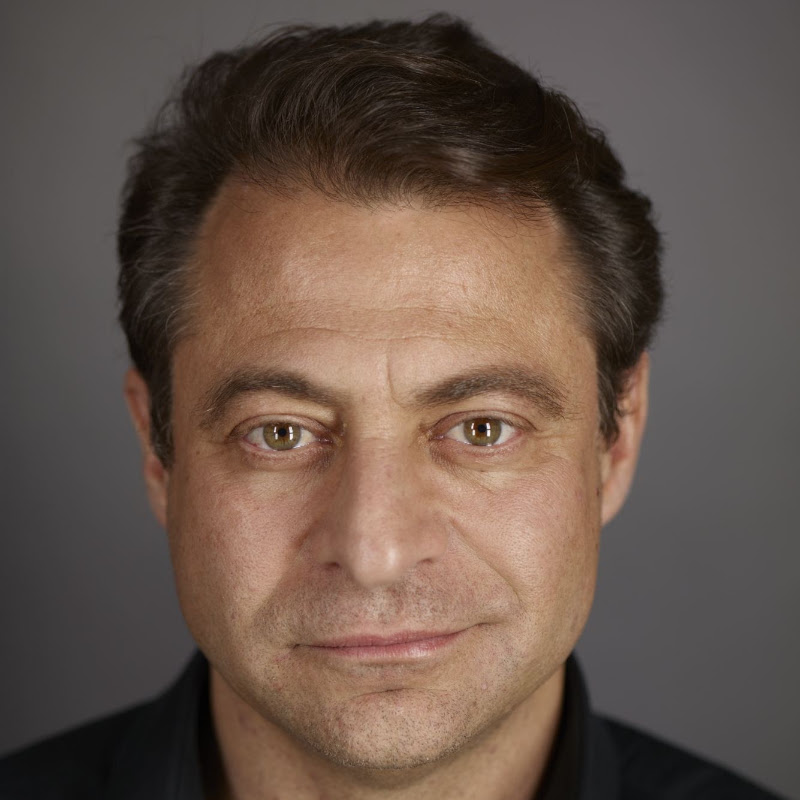
Peter H. Diamandis
AI-driven scientific discovery is accelerating, promising a century of breakthroughs within the next decade by integrating hypothesis, experimentation, and data analysis into a "full-stack" automated process. Richard Socher, CEO of Recursive, argues that while physical sciences like biology are ripe for transformation through large-scale data and robotic automation, current progress is hindered by disciplinary fragmentation. The discussion highlights the shift toward "System 1" decision models for low-latency tasks and the potential for AI to decode complex biological and neural states. Despite concerns regarding AI safety and legislative attempts to restrict recursive self-improvement, the consensus emphasizes that the benefits of AI in curing diseases and solving global challenges far outweigh the risks. The future of innovation lies in leveraging AI to navigate non-convex optimization landscapes, ultimately enabling humanity to transcend current physical and cognitive limitations.
Part 1: Scientific Discovery, Bio-Engineering
Part 2: Superintelligence, Safety, Regulation
Part 3: Model Performance, Compute, Infrastructure
Part 4: Defense, Economy, Future Outlook
Sign in to continue reading, translating and more.
Open full episode in Podwise