

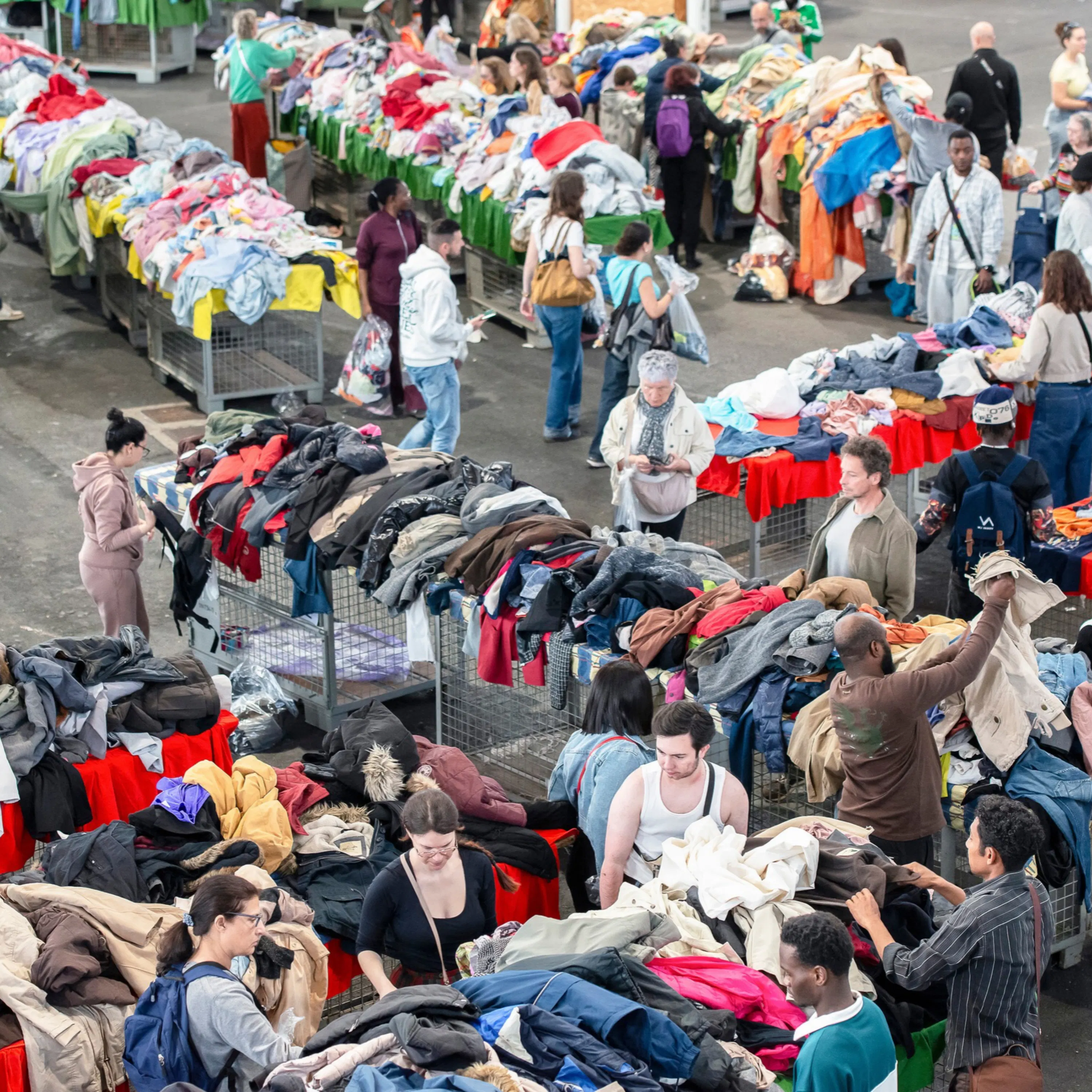

Fashion has shifted from a top-down model, where runway trends trickled down to mass-market retailers, to a data-driven "real-time" system dictated by algorithms and influencer culture. Companies like Shein now produce thousands of new styles daily by tracking social media engagement and search trends, often resulting in low-quality "fashion slop" that prioritizes rapid consumption over garment longevity. Historically, the ready-to-wear industry emerged as a democratic experiment in the 19th century, eventually evolving into the massive global manufacturing machine seen today. Meanwhile, the secondhand market has transformed from a niche countercultural practice into a mainstream, highly competitive ecosystem. While this shift offers more creative expression, it has also led to inflated pricing and accessibility barriers at traditional thrift stores, as retailers increasingly align their inventory costs with online resale values.
Sign in to continue reading, translating and more.
Open full episode in Podwise