

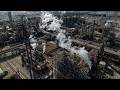

Global energy markets and political shifts are converging as G7 nations release 100 million barrels of oil to stabilize surging diesel prices. Chris Kennedy, Economic Statecraft Lead for Bloomberg Economics, observes that while diesel futures have dropped, structural constraints like the ongoing Iran war and strikes on Russian refineries pose long-term risks. The decision to avoid a U.S. diesel export ban stems from the potential for severe unintended consequences, including domestic storage exhaustion and disrupted gasoline production. Politically, high fuel costs are impacting Senate battlegrounds in diesel-dependent states like Maine and Iowa, where recent polling shows shifts toward Democrats. Furthermore, while the U.S. Treasury reports that Iranian oil revenues are stalling due to delivery lags, the regime in Tehran appears unlikely to capitulate despite extreme economic pressure. If Democrats secure control of Congress, the administration's judicial appointments and executive oversight will face significant hurdles, though trade and foreign policy authorities will remain largely within executive control.
Sign in to continue reading, translating and more.
Open full episode in Podwise