

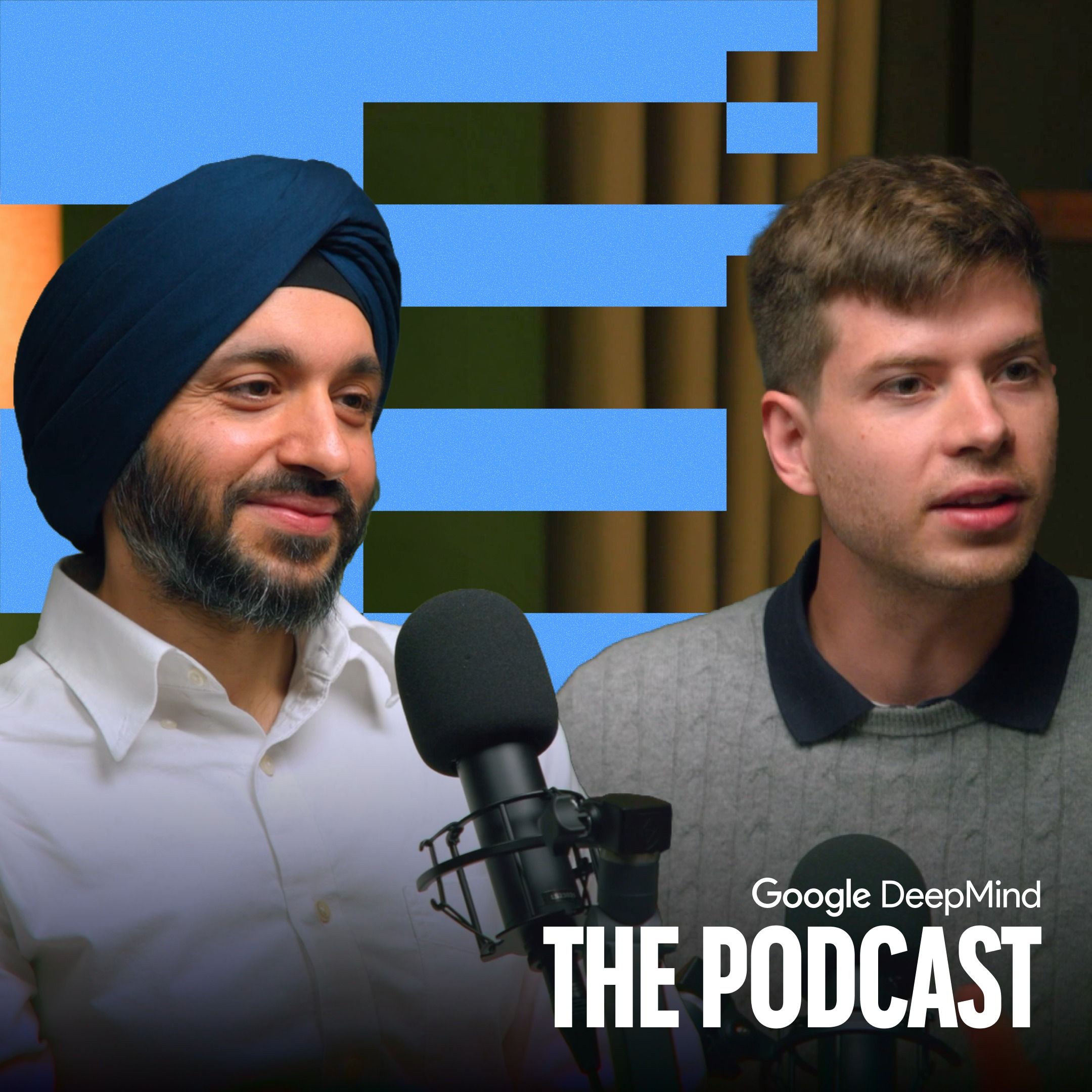

Watermarking AI-generated content serves as a vital mechanism for establishing provenance and mitigating risks in an era where machine-generated outputs are increasingly indistinguishable from reality. Pushmeet Kohli, VP of Science at Google DeepMind, and biosecurity researcher Jeremy Radcliffe detail how SynthID embeds imperceptible, mathematical signals into digital media and biological structures. These watermarks remain robust against transformations, such as image cropping or sequence modification, allowing for reliable detection. By applying these techniques to protein design, researchers can safeguard against the synthesis of hazardous biological materials, ensuring that AI-generated sequences remain identifiable. This collaborative approach, now being adopted across the industry, creates a necessary layer of accountability, helping to distinguish between natural and synthetic origins while preserving the functional integrity of the generated content.
Sign in to continue reading, translating and more.
Open full episode in Podwise