

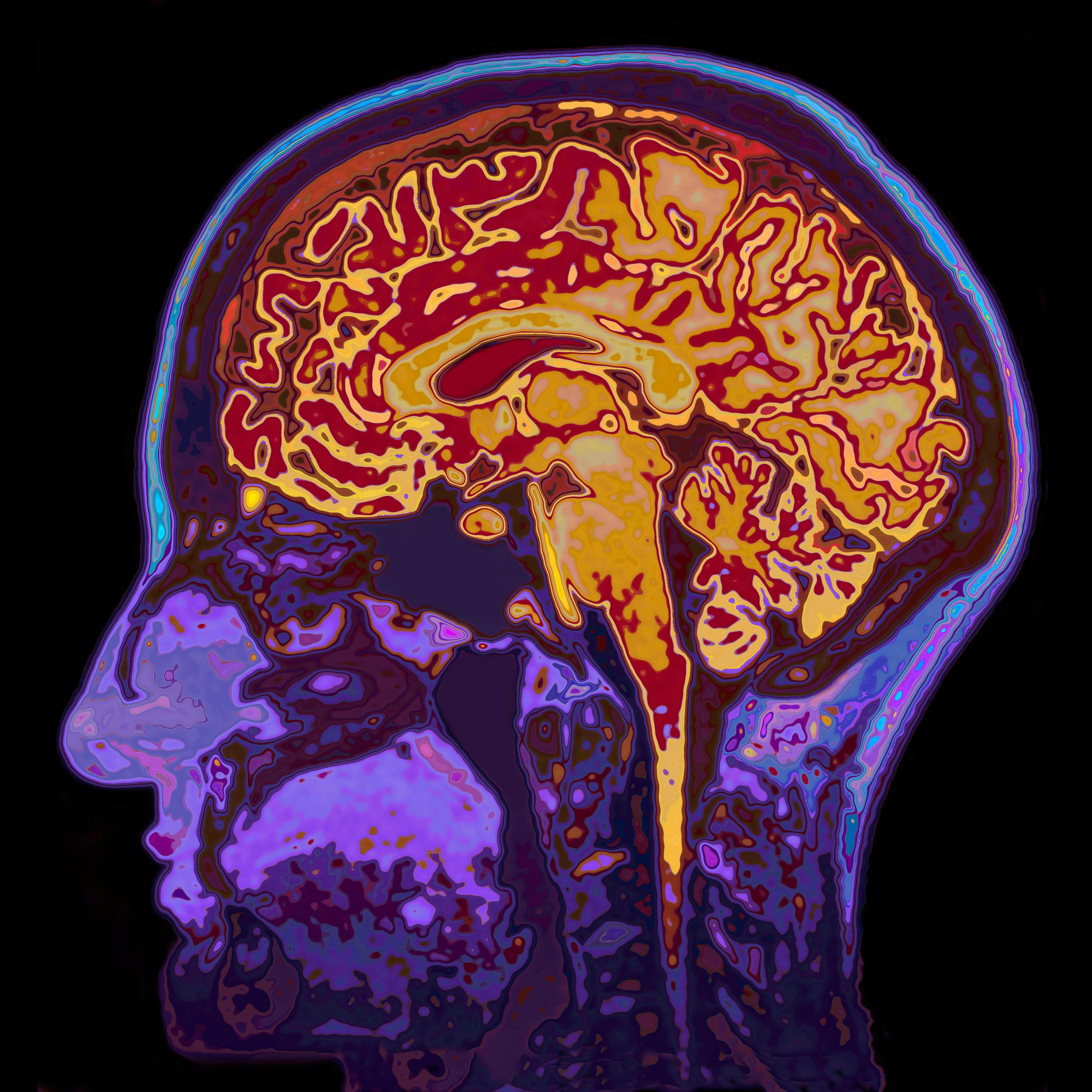

Memory functions as an enduring change in the brain, where experiences leave physical traces known as engrams. These engrams are not static; they are dynamic, constantly shifting and being reconstructed each time a memory is recalled. While the hippocampus acts as a librarian for accessing these memories, damage to this area can disrupt retrieval even if the underlying information remains intact. Associate Professor Steve Ramirez highlights how breakthroughs in optogenetics allow researchers to artificially activate or erase specific fear memories in rodents, demonstrating that memory is more resilient than previously thought. Beyond the laboratory, understanding these mechanisms offers potential for therapeutic applications, such as suppressing the emotional weight of traumatic experiences or enhancing positive memories to improve mental well-being. Ultimately, human identity functions like the ship of Theseus, continuously reshaped by the memories we choose to recall and the new experiences we integrate.
Sign in to continue reading, translating and more.
Open full episode in Podwise