

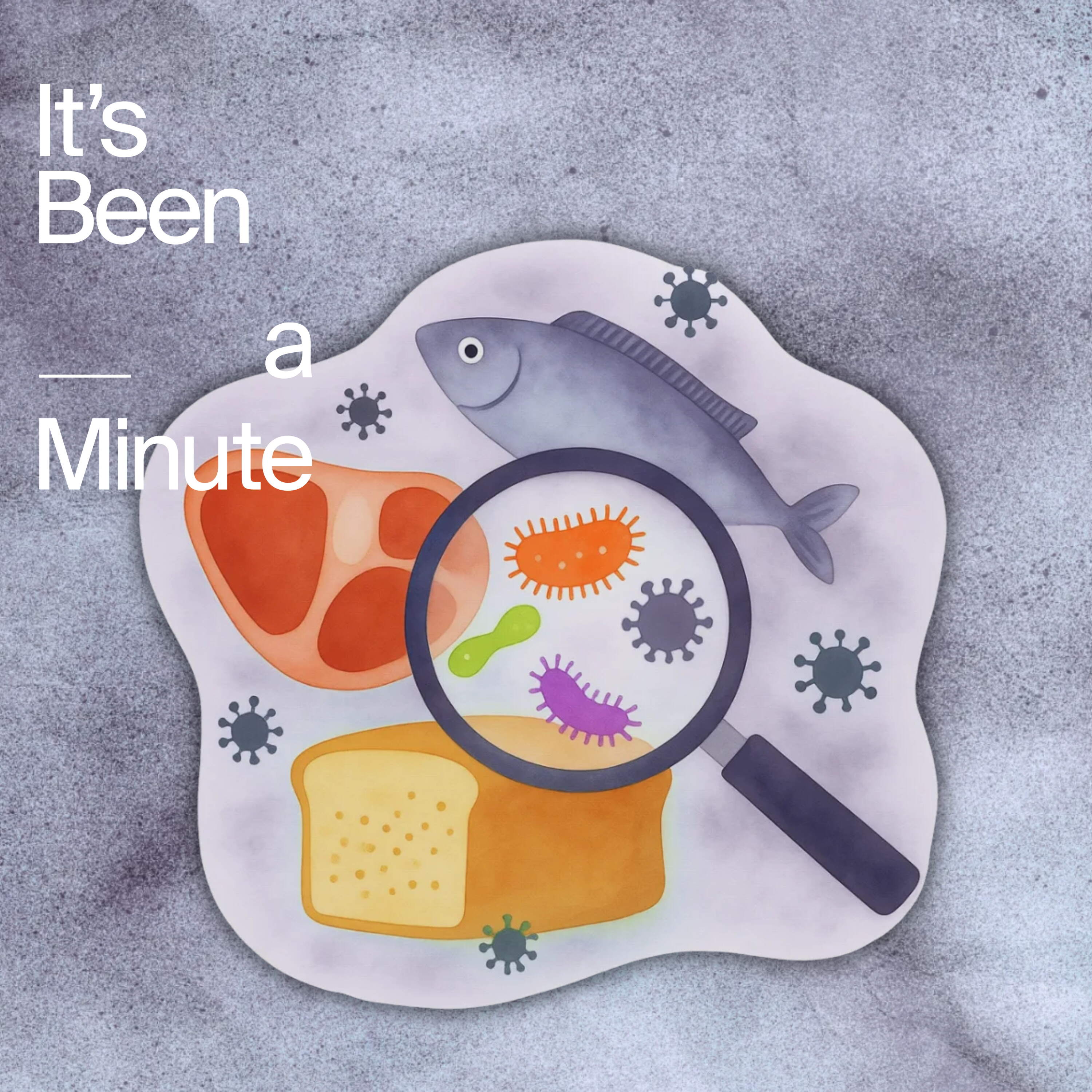

The U.S. food safety system suffers from systemic fragmentation and a lack of accountability, leaving consumers vulnerable to preventable outbreaks. Because regulatory authority is split between agencies like the FDA and USDA, enforcement remains inconsistent and reactive rather than proactive. Industrial-scale production exacerbates these risks, as a single contamination event can affect millions of products globally, disproportionately harming vulnerable populations like infants and the immunocompromised. While the elimination of certain pathogens in ground beef proves that targeted regulation works, current policies often prioritize corporate interests, forcing consumers to bear the burden of safety. Meaningful reform requires centralized oversight, rigorous pathogen testing, and enhanced traceability. Ultimately, ensuring a safer food supply depends less on individual shopping choices and more on sustained political activism to hold regulatory bodies and food producers accountable for public health outcomes.
Sign in to continue reading, translating and more.
Open full episode in Podwise