

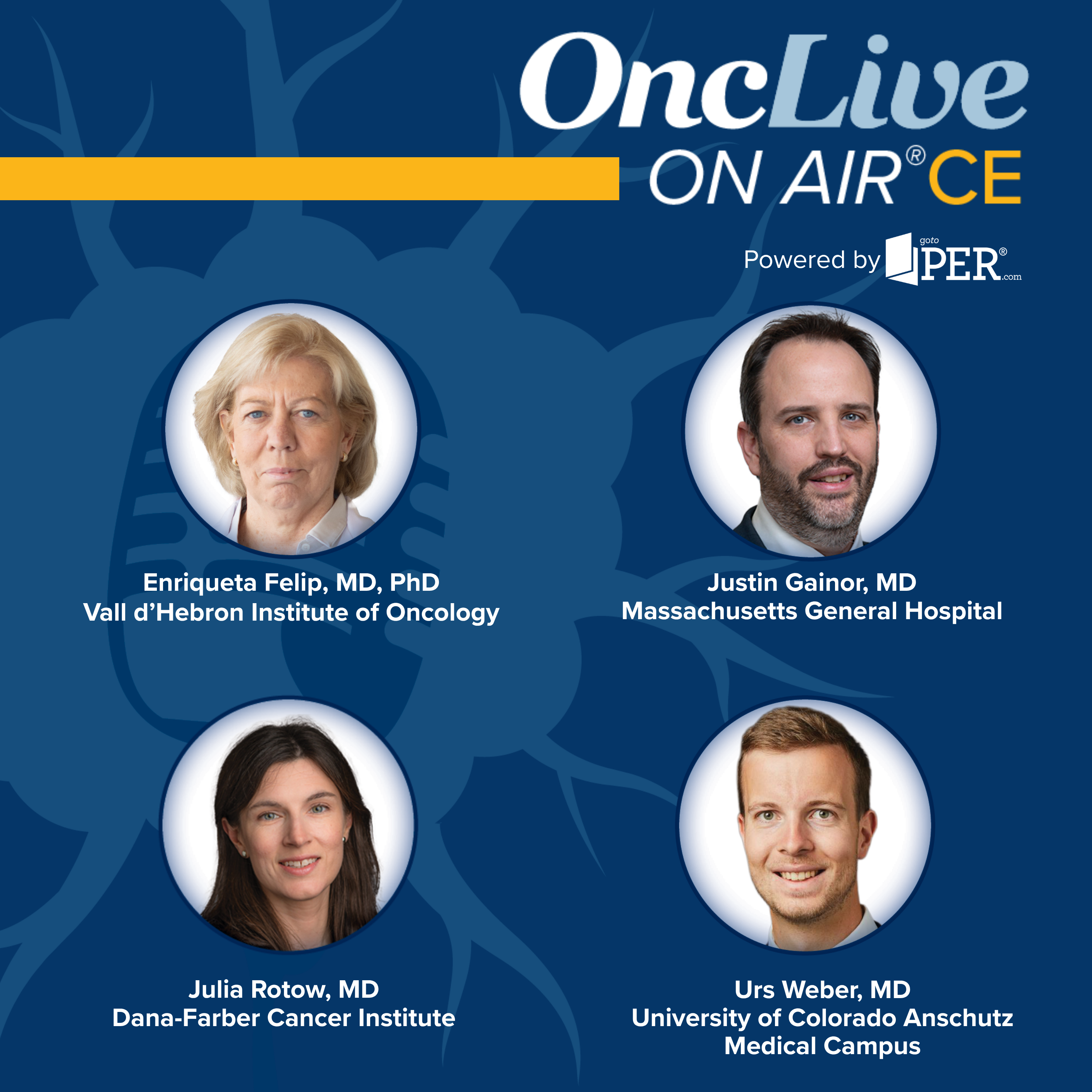
S18 Ep4: Tumor Board: Optimizing NSCLC Care—Leveraging the Latest Evidence on Targeted Therapy and Immuno-Oncology

OncLive® On Air
Targeted therapies and immunotherapies are transforming the treatment landscape for advanced non-small cell lung cancer by addressing specific genomic alterations and immune evasion mechanisms. ROS1 and RET inhibitors have evolved significantly, with newer agents like talotrectinib and repotrectinib demonstrating superior progression-free survival and efficacy against resistance mutations such as G2032R. In the KRAS-mutant space, the shift from G12C-specific "off-state" inhibitors toward potent "on-state" and pan-RAS inhibitors offers expanded therapeutic options, with G12D-targeted agents emerging as a potential future standard. Simultaneously, immunotherapy is advancing through bispecific antibodies targeting PD-1/PD-L1 and VEGF, as well as innovative cellular therapies like tumor-infiltrating lymphocytes and CAR-T constructs. These developments provide critical pathways for patients with refractory disease, though they necessitate careful management of unique toxicities and complex clinical logistics.
Sign in to continue reading, translating and more.
Open full episode in Podwise