

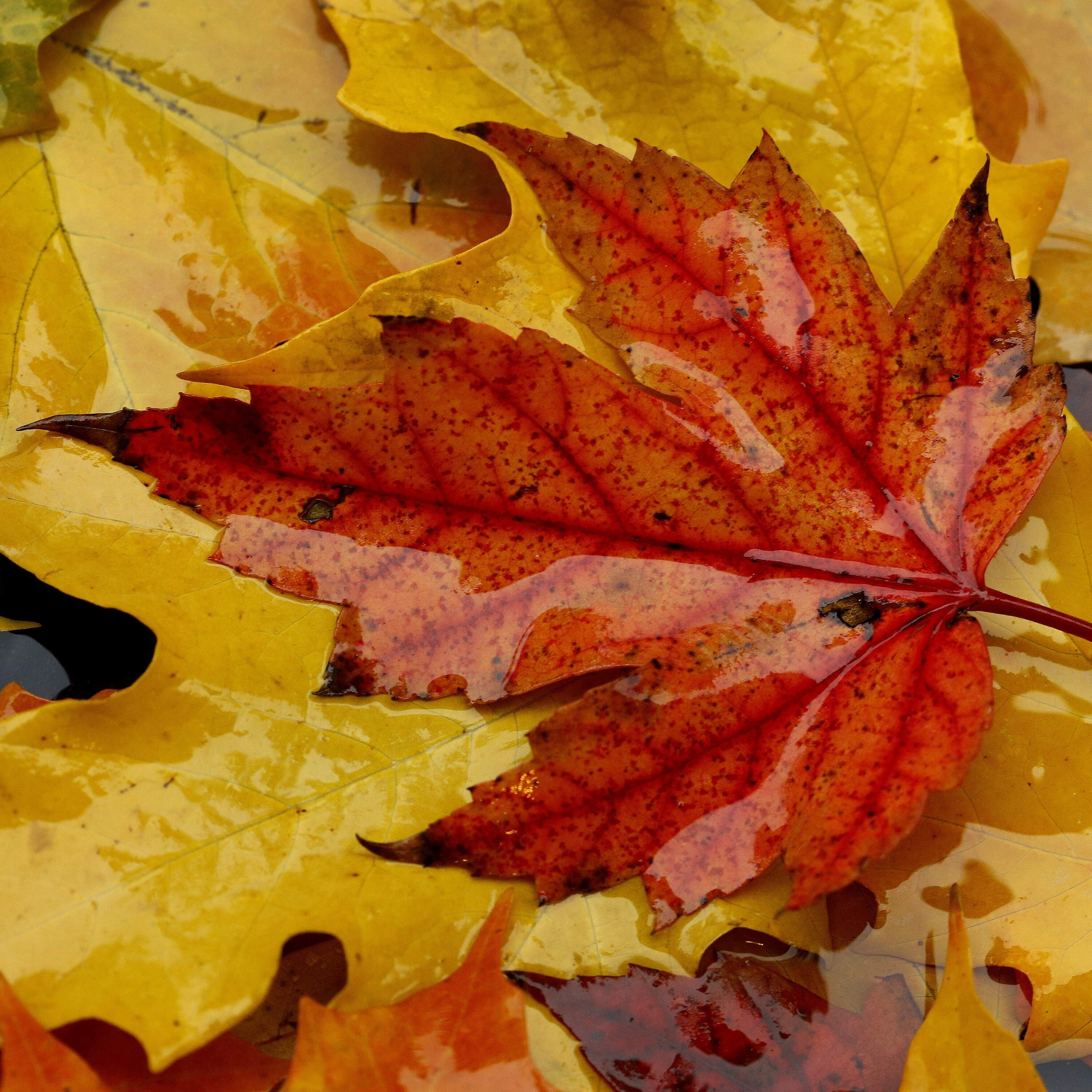

Autumn foliage displays vibrant colors as trees break down green chlorophyll to recover precious nitrogen for winter dormancy. While yellow pigments remain hidden until chlorophyll fades, red pigments are synthesized anew, prompting scientific inquiry into their evolutionary purpose. One prominent theory suggests these pigments act as a chemical sunscreen, protecting the leaf's physiological processes from excess light during nutrient scavenging. Alternatively, the red coloration may serve as a warning signal to insects, discouraging them from laying eggs on leaves that are less hospitable for their survival. Research involving species like maples and sweetgums, along with observations of aphid behavior, highlights the ongoing debate between these photoprotection and co-evolutionary hypotheses. Despite these insights, the exact triggers for why certain species turn red while others do not remain a subject of active, albeit limited, scientific study.
Sign in to continue reading, translating and more.
Open full episode in Podwise