

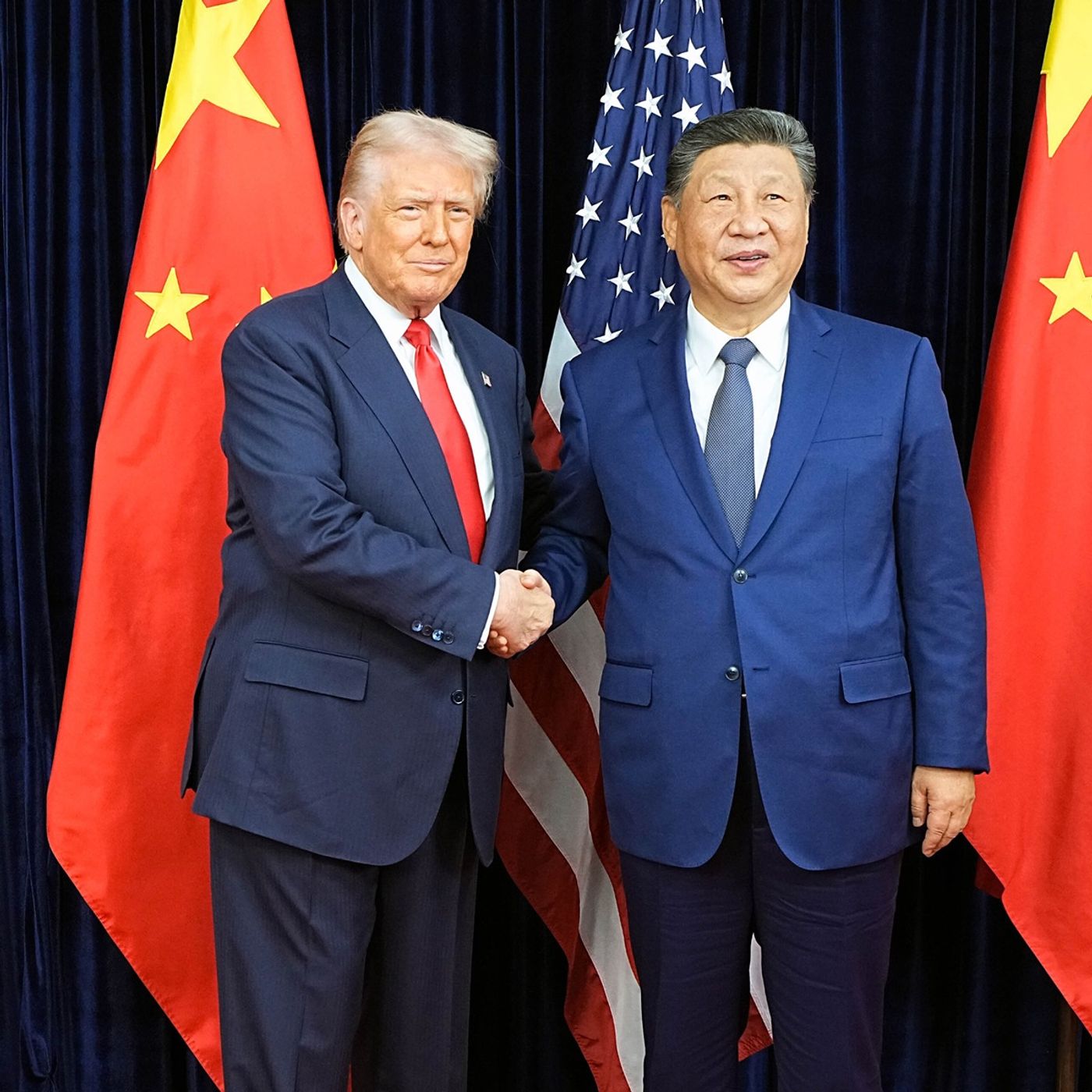

The potential for international AI regulation hinges on the historical precedent of nuclear nonproliferation, which successfully contained existential risks through treaties and inspection regimes. While this model offers a framework for managing AI, significant obstacles remain. Unlike nuclear technology, which was state-controlled and relatively static, AI is decentralized, rapidly evolving, and driven by private sector competition. Furthermore, the lack of consensus between the United States and China regarding the nature of AI threats and the strategic necessity of technological dominance hinders formal agreements. Although both nations have pledged to prevent AI from controlling nuclear weapon systems, the absence of a shared, urgent threat perception—coupled with the speed of recursive self-improvement—makes a comprehensive, treaty-based solution unlikely in the near term.
Sign in to continue reading, translating and more.
Open full episode in Podwise