

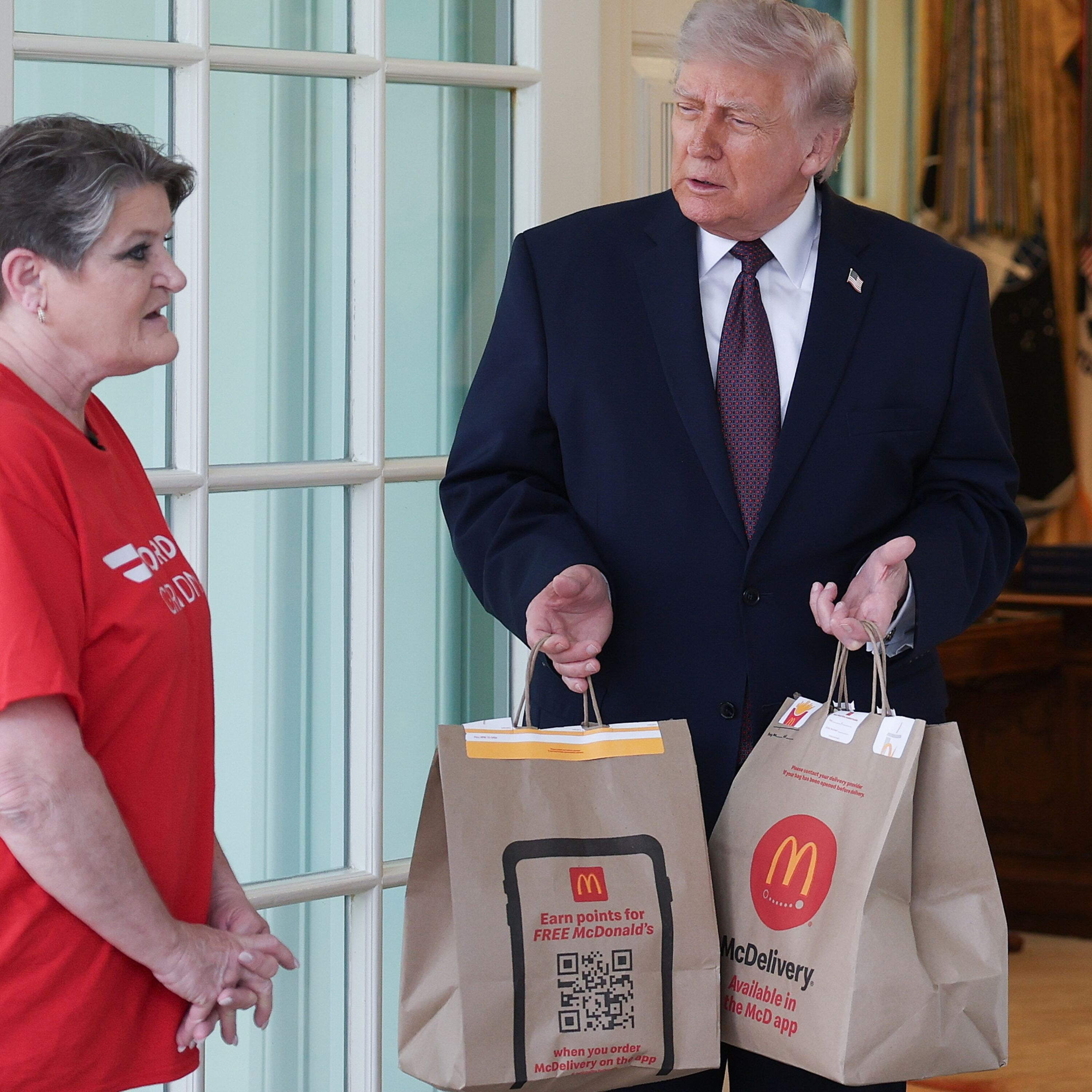

President Trump’s extensive stock trading activity, totaling over 28,700 trades since the start of his second term, raises significant ethical concerns regarding potential conflicts of interest. While the president and vice president are legally exempt from conflict-of-interest laws that bar other executive branch employees from participating in matters affecting their financial holdings, the alignment between presidential boosterism and federal actions is striking. Specific instances include Trump publicly urging citizens to buy Dell computers shortly before the Department of Defense awarded a Dell subsidiary a $10 billion contract, and his social media promotion of Palantir Technologies, which caused a temporary 3% stock surge. Additionally, the White House utilized a Doordash delivery to promote tax policies while the president held shares in the company. Despite White House claims that portfolios are managed independently by third parties, these overlaps between personal investment and executive influence highlight a growing gap between legal permissions and ethical standards in governance.
Sign in to continue reading, translating and more.
Open full episode in Podwise