

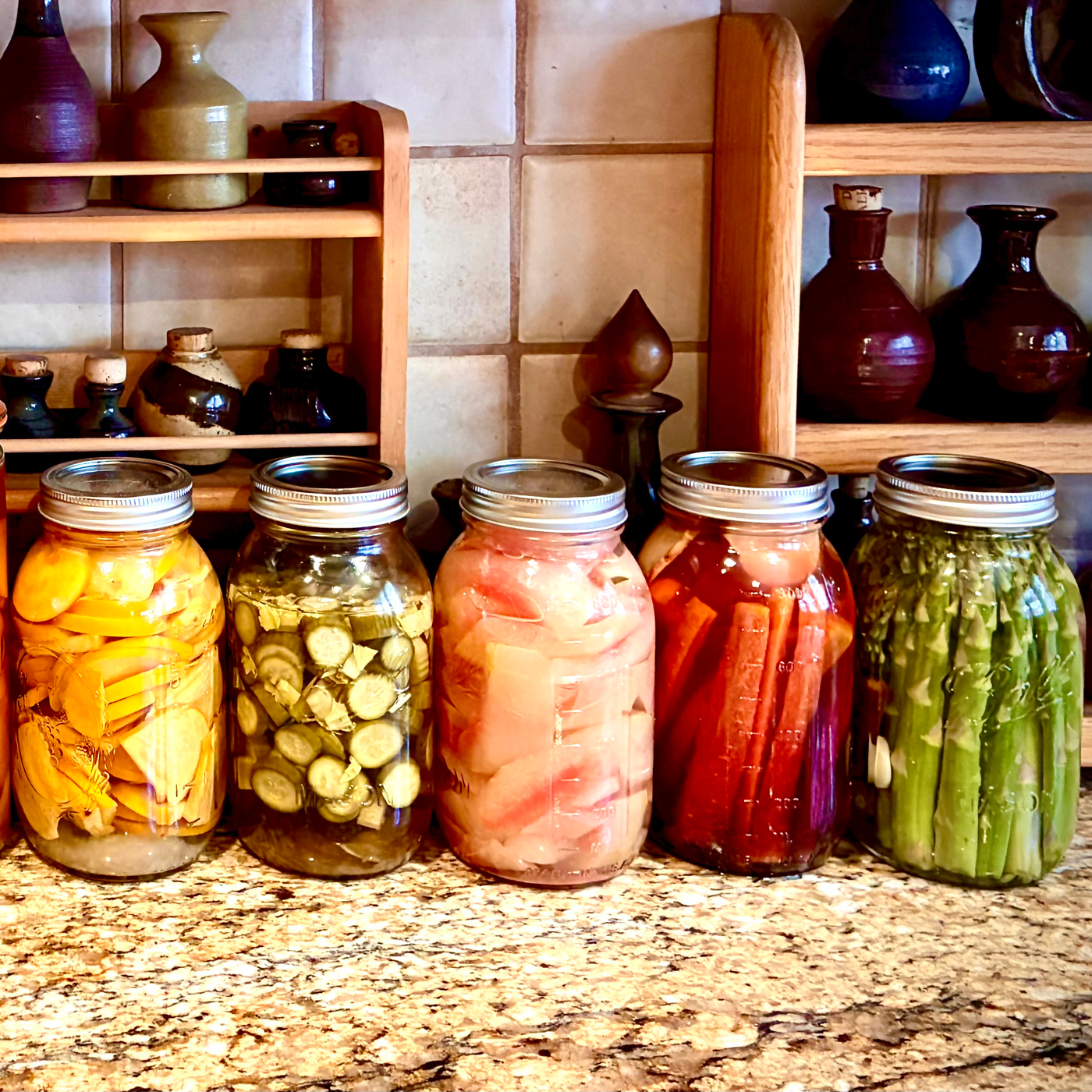
Fermentation represents a natural, universal process of microbial recycling that humans have harnessed to preserve food and enhance flavor. Rather than a singular invention, this practice of controlled decay emerged independently across diverse cultures, from Turkish red carrot ferments to African locust bean preparations. Modern industrial methods, however, often prioritize efficiency and single-strain starters, which threatens to erode the complex, traditional microbial communities that define authentic farmhouse cheeses and regional specialties. This culinary history extends to the urban landscape, where New York City’s pickle culture evolved from Eastern European immigrant pushcarts into a symbol of local heritage. Preserving these traditional techniques requires recognizing the value of local bacteria and the cultural context inherent in artisanal food production, moving beyond the current trend of flattening fermented products into generic wellness commodities.
Sign in to continue reading, translating and more.
Open full episode in Podwise