

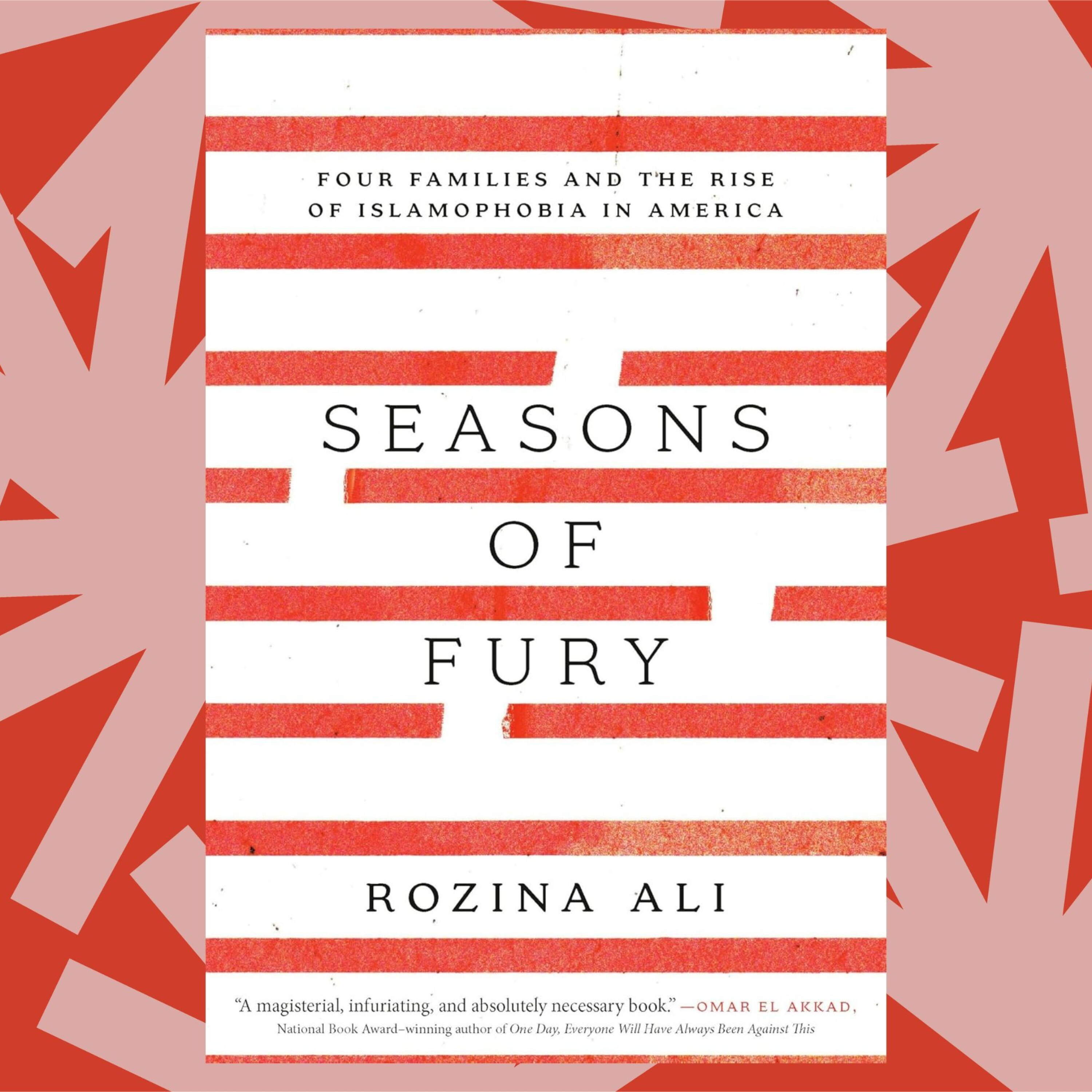
'Seasons of Fury' traces the roots of Islamophobia in the United States

NPR's Book of the Day
Islamophobia in the United States is a deeply rooted phenomenon that predates the 9/11 attacks, tracing back to national security anxieties following the 1967 Arab-Israeli War. Investigative journalist Rozina Ali, author of *Seasons of Fury*, explains how the FBI began surveilling Muslim communities in the late 1960s, establishing an enduring link between the faith and foreign threats. This historical bias manifests in a "Kafkaesque" legal system where Muslim defendants face disproportionately harsh sentences compared to white supremacists; for instance, a young man named Mateen received 30 years for a goaded, unfulfilled plot, while violent extremists received significantly less time. These legal disparities and the continued use of anti-Muslim rhetoric by modern politicians, such as those targeting New York’s Zohran Mamdani, reinforce a narrative of "otherness" that persists despite Islam’s long-standing presence in American history. Real change requires a national shift toward recognizing Muslims as an integral part of the American fabric.
Sign in to continue reading, translating and more.
Open full episode in Podwise