

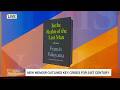

Political scientist Francis Fukuyama reflects on his intellectual evolution, emphasizing the limitations of military intervention in achieving political change. He argues that regime change in nations like Iran cannot be successfully forced through air power, citing the hard-learned lessons from Iraq and Afghanistan. Regarding global stability, he views Putin’s nuclear threats as largely performative, noting that the catastrophic consequences of such actions deter their use. Fukuyama advocates for a "Wilsonian realist" approach to foreign policy, prioritizing soft power and democratic solidarity over hard power. He further warns that the rapid, unpredictable advancement of artificial intelligence threatens to outpace societal regulation and erode human purpose, as automation risks replacing the meaningful work that provides individuals with essential pride and self-esteem. He underscores the necessity of classical education to navigate these complex questions of justice and human nature in an increasingly pre-professional academic environment.
Sign in to continue reading, translating and more.
Open full episode in Podwise