

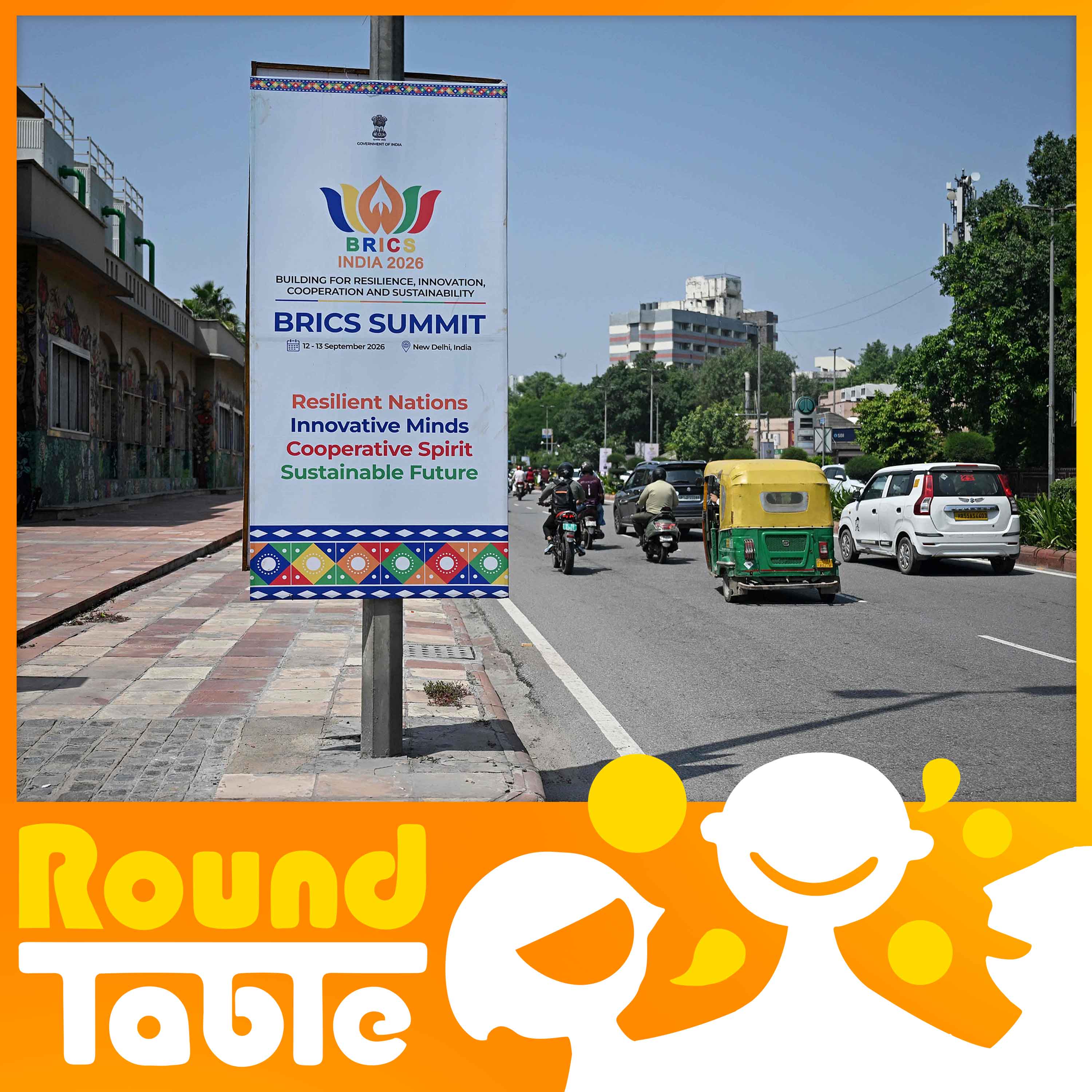

The BRICS mechanism has evolved from an economic acronym into a comprehensive platform for Global South cooperation, addressing critical concerns like economic instability and climate change. Li Lun, an assistant professor at Peking University, highlights that BRICS fosters regional stability by creating predictable trade environments, reliable consumer markets, and shared infrastructure, which secures employment and reduces exposure to geopolitical disruptions. Green technology adoption, particularly solar energy, serves as a key area for mutual benefit, where manufacturing scale significantly lowers costs for developing nations. Furthermore, bridging the digital divide remains essential; AI acts as an equalizer by providing universal access to knowledge and productivity tools. Young people are encouraged to identify local challenges—such as agricultural logistics—and apply digital solutions, transforming from passive observers into active participants in shaping the future of their communities.
Sign in to continue reading, translating and more.
Open full episode in Podwise