

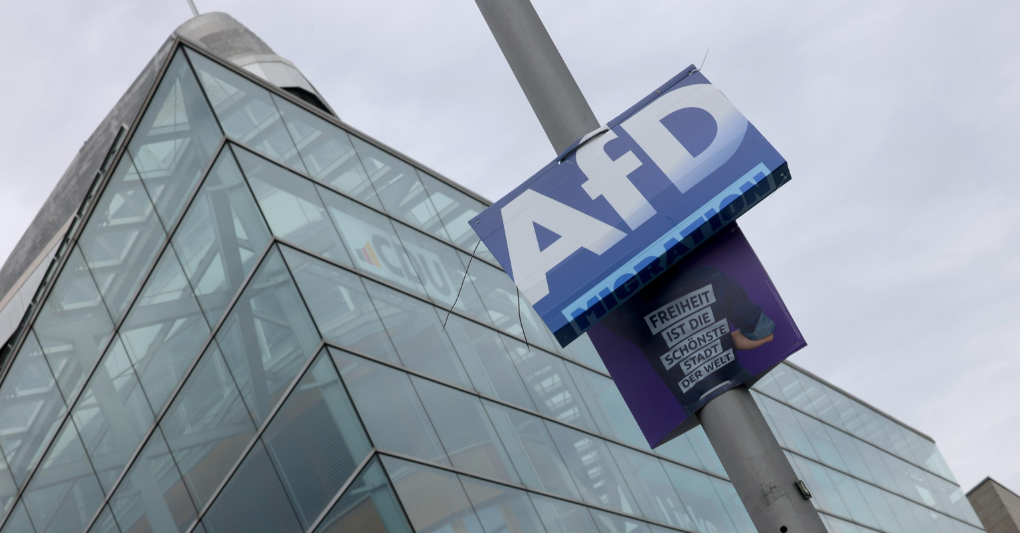

The recent electoral surge of the Alternative for Germany (AfD) in Saxony-Anhalt signals a profound shift in German politics, reflecting widespread voter dissatisfaction and a rejection of the traditional political establishment. This regional victory, characterized by a doubling of support, highlights growing polarization and the diminishing effectiveness of the "sanitary cord" strategy used by mainstream parties to isolate the far-right. Concurrently, Germany faces escalating security challenges, including suspected sabotage of critical infrastructure and increased hybrid warfare tactics linked to foreign interference. Amidst these domestic tensions, diplomatic efforts to resolve the Russia-Ukraine conflict remain stalled; experts emphasize that the battlefield continues to dictate the trajectory of negotiations rather than diplomatic intervention. As geopolitical instability persists, European nations grapple with the rise of populist movements and the complex, often contradictory, influence of global powers on regional security and democratic consensus.
Sign in to continue reading, translating and more.
Open full episode in Podwise