

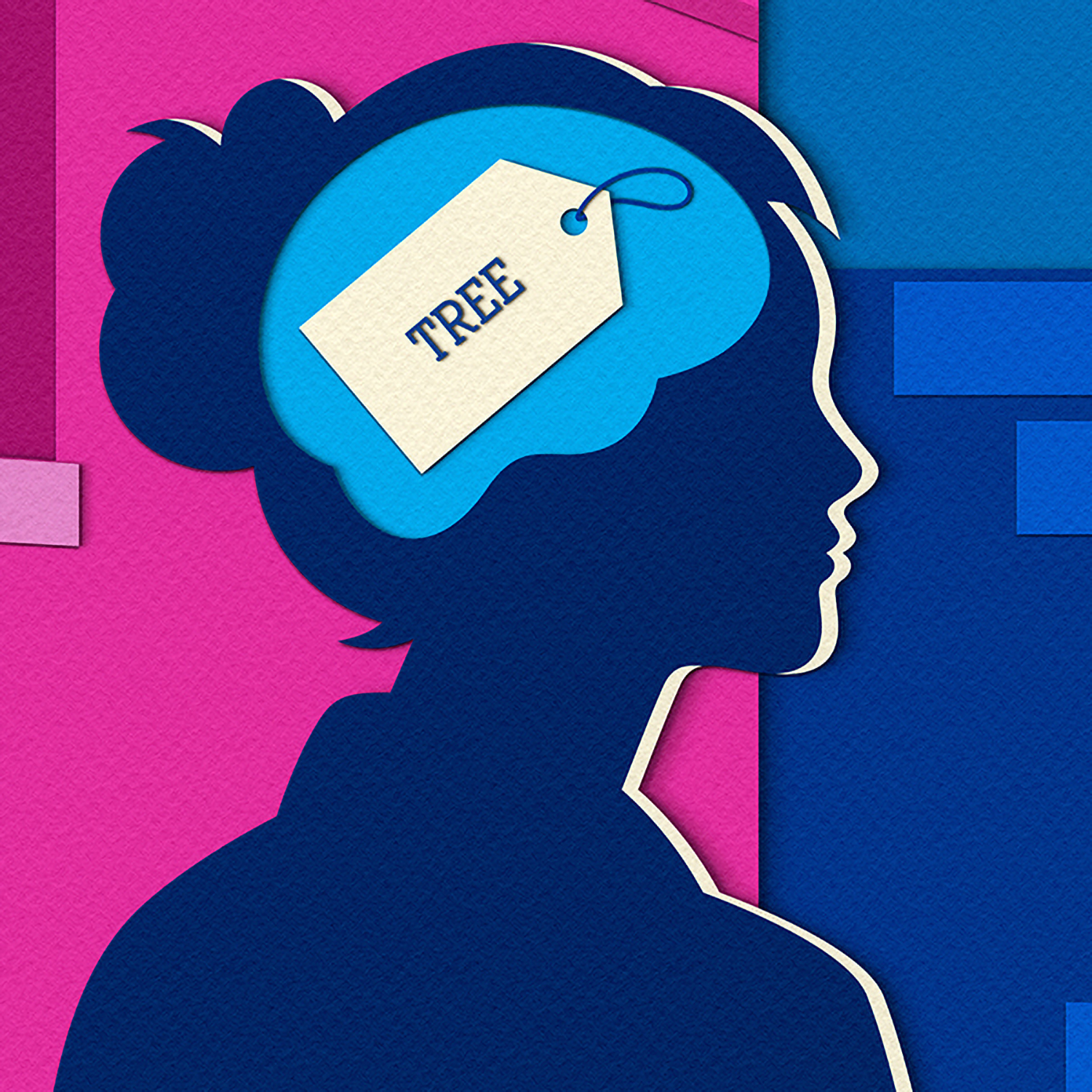

Categorization functions not as a static cognitive filing cabinet, but as a dynamic prediction engine that shapes perception based on bodily needs and environmental context. Rather than passively labeling sensory input, the brain proactively regulates energy and prepares physiological systems for anticipated events. This predictive model, supported by feedback signals that dominate neural activity, allows organisms to compress vast amounts of sensory data into meaningful, actionable behaviors. By integrating interoceptive signals—information from internal organs—with external sensory input, the brain assigns meaning to experiences, such as interpreting identical stimuli as either food or trash depending on current hunger levels. Science writer Conor Feehly details this shift in neuroscience, highlighting how this framework, championed by researchers like Lisa Feldman Barrett and Earl Miller, redefines categories as flexible, context-dependent tools for survival rather than fixed, abstract definitions.
Sign in to continue reading, translating and more.
Open full episode in Podwise