

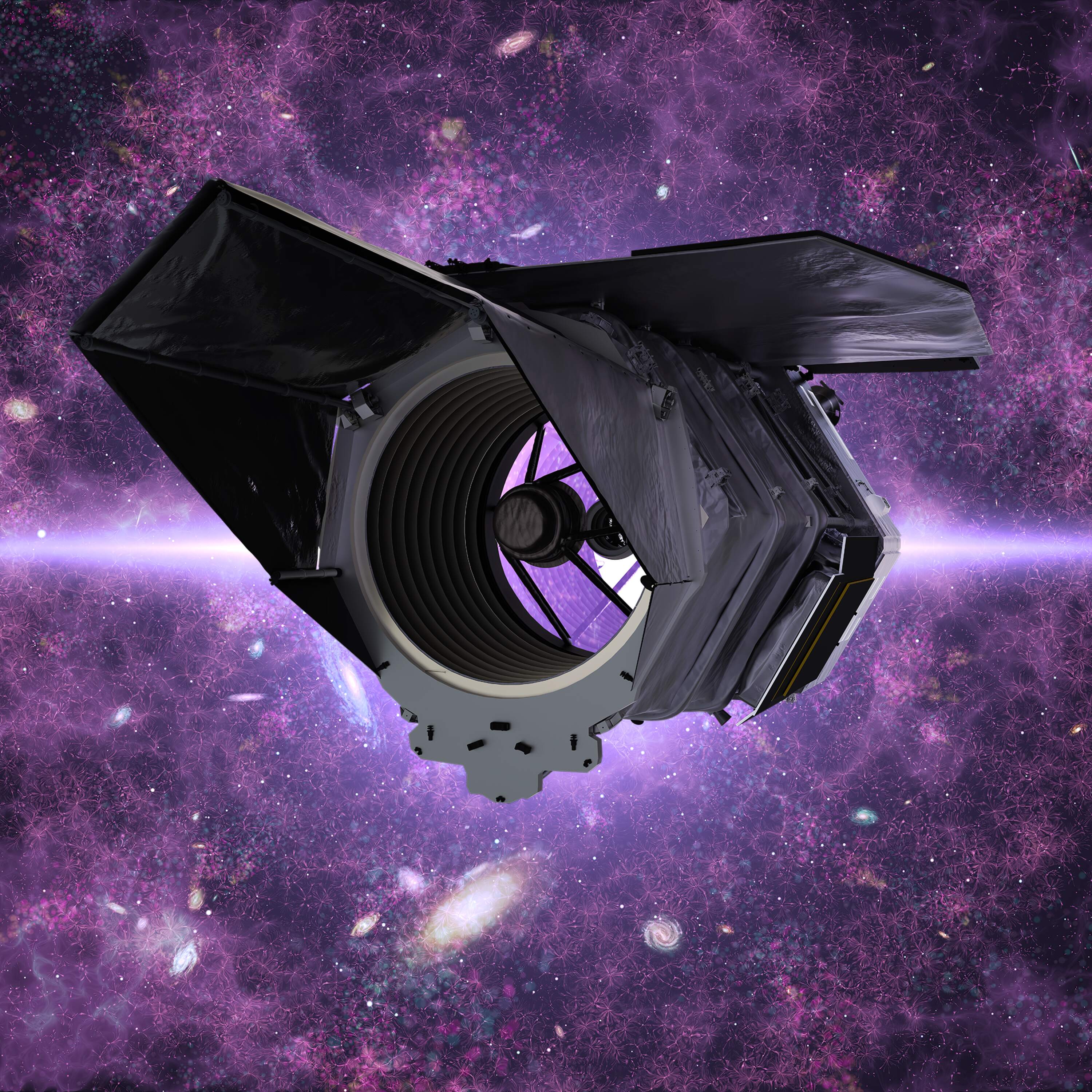

The Nancy Grace Roman Space Telescope, scheduled for launch in late August, represents a significant leap in astronomical survey capabilities. Originally engineered as a classified spy satellite for the National Reconnaissance Office, the hardware was repurposed to observe the heavens, offering a field of view far broader than the Hubble or James Webb telescopes. Former NPR science correspondent Joe Palca explains how this mission utilizes a 300-megapixel infrared camera and a coronagraph to conduct massive surveys of the Milky Way. By employing gravitational microlensing to detect exoplanets and monitoring type 1a supernovas to measure dark energy, the telescope aims to refine models of the universe's expansion. Crucially, the mission prioritizes open access, allowing researchers and students worldwide to analyze new data simultaneously, potentially revealing entirely new classes of celestial objects.
Sign in to continue reading, translating and more.
Open full episode in Podwise