

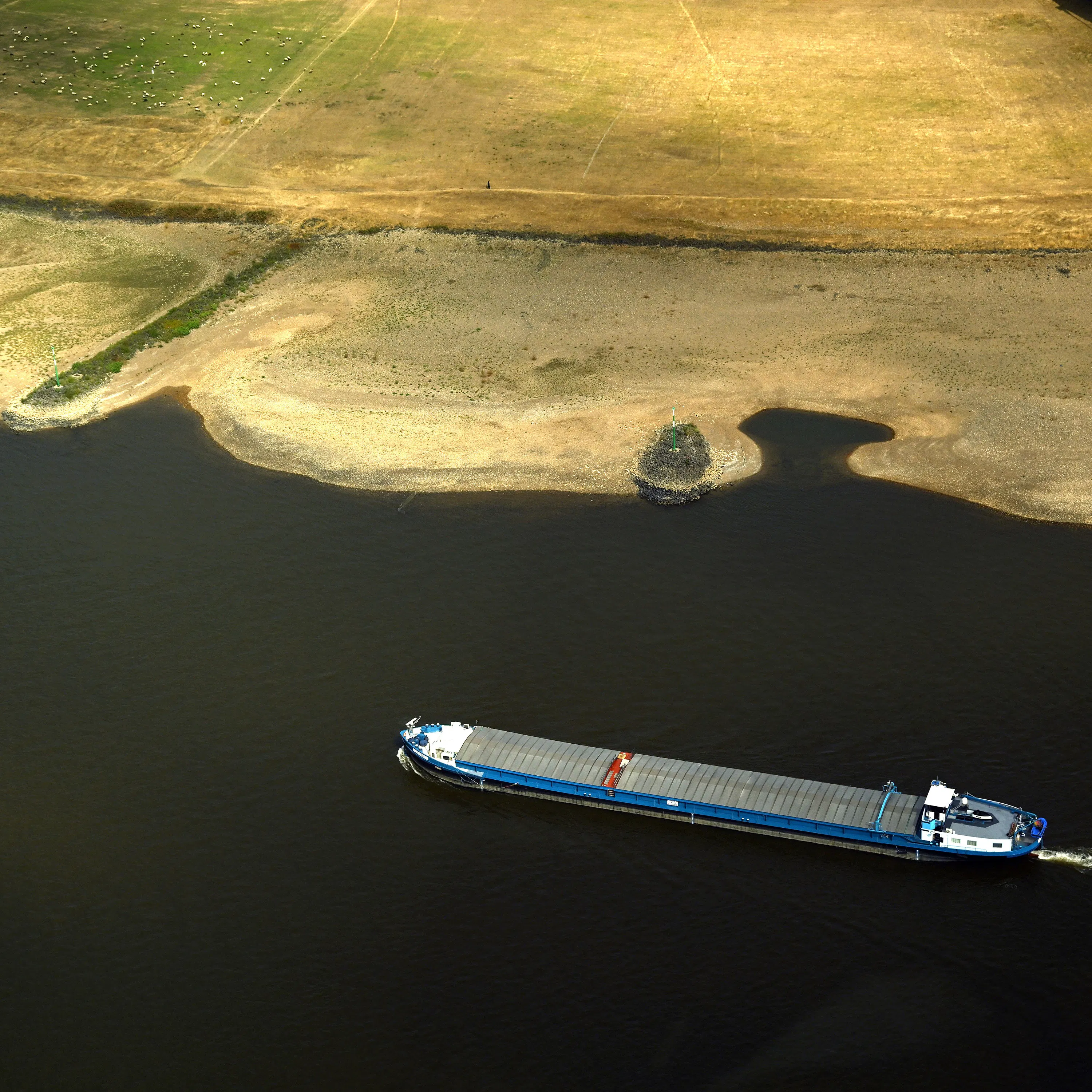

The Rhine River’s record-low water levels highlight the vulnerability of Germany’s industrial infrastructure and the complex interplay between geography and economic stability. As a critical artery for the chemical industry, particularly for firms like BASF, the river’s diminished capacity disrupts supply chains and cooling processes, exposing the fragility of an aging economic system. Historically, the Rhine functions as both a vital trade corridor and a contested border, a dualism codified by the 1868 Mannheim Convention, which remains a foundational example of functionalist international cooperation. Beyond its economic role, the river serves as a dense palimpsest of European history, where receding waters now reveal "accidental archaeology," including World War II munitions and historical drought markers known as hunger stones. These findings underscore how climate-driven environmental shifts force a confrontation with long-buried industrial and wartime legacies.
Sign in to continue reading, translating and more.
Open full episode in Podwise